World
Thailand’s Progressive Party Rebrands as Voters Head to the Polls
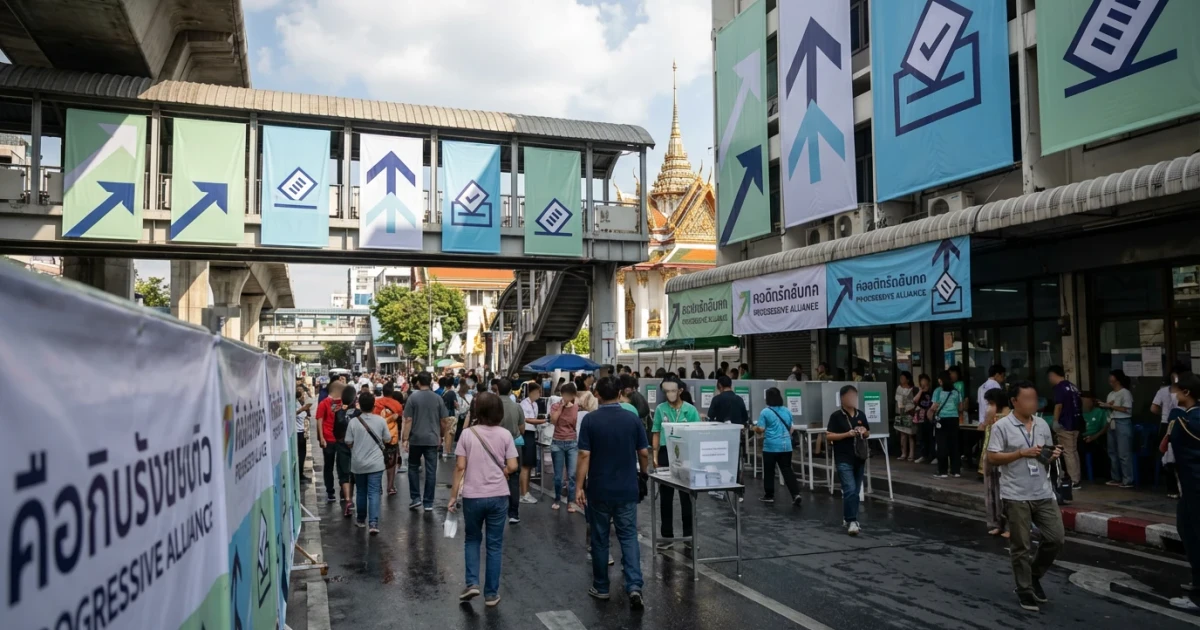
Thailand stands on the cusp of a political pivot as voters prepare to cast ballots in a highly anticipated election. At the center of the contest, the nation's main progressive party is strategically shifting its public image—moving from bold activism toward a more moderate, inclusive posture—as it seeks to lead the next government amid fierce competition from two other dominant parties.
The Stakes: Three Parties, One Future
With three major parties vying for power, this election is widely seen as a referendum on the country’s political direction. The progressive party, previously known for its outspoken and sometimes confrontational stances, is now recalibrating its approach. The move is intended to reassure moderate voters and establish credibility among the country’s influential establishment, many of whom remain wary of rapid or radical change.
- Three main parties are contending for the chance to form Thailand's next government.
- The progressive party is moderating its image to broaden its base and appeal to the political center.
- The election outcome could reshape Thailand’s approach to reforms and its relationship with the monarchy and military.
Why the Progressive Party Is Softening Its Image
In recent years, the progressive party has built a reputation on promises of democratic reform, economic transparency, and curbing the influence of the military in politics. However, party strategists now recognize the importance of appealing to a wider spectrum of Thai society. By softening its rhetoric and emphasizing unity, the party hopes to mitigate fears among conservatives and older voters while maintaining its core support among younger Thais who seek change.
This rebranding is not without risk. Some long-time supporters worry that the party’s new pragmatic tone could dilute its reformist agenda. Nevertheless, political analysts note that a less polarizing stance could be key to winning coalition partners and governing effectively in Thailand’s complex parliamentary system.
What’s at Stake for Thailand
The upcoming election could have profound implications for Thailand’s future:
- Democratic reforms: The progressive party has championed changes to the constitution and laws that limit free speech, but may now pursue these goals more gradually.
- Military influence: Reducing the military's role in politics remains a priority, though the party’s softened approach might seek compromise rather than confrontation.
- Economic policy: The party pledges to address income inequality and promote transparency, aiming to reassure both citizens and investors.
Election Dynamics and the Path Forward
Early polls suggest a tight race among the three main contenders. The outcome will depend not only on the parties’ platforms, but also on their ability to form alliances in the aftermath. The progressive party’s new centrist image may give it a strategic advantage in post-election negotiations, especially if no party wins an outright majority.
Observers from Thai and international media agree: the election will test whether a rebranded progressive movement can earn the trust of mainstream voters while holding onto its reformist ideals. The results could usher in a new era of coalition politics and incremental change, or reinforce the status quo if voters remain skeptical of promises from all sides.
Looking Ahead
As Thais head to the polls, the political landscape is more fluid than ever. The progressive party’s efforts to soften its image reflect a calculated gamble to expand its influence without alienating its base. Regardless of the outcome, the election will signal the country’s appetite for reform, consensus, and the kind of leadership that can bridge Thailand’s enduring divides.