Health
THC and CBD ease symptoms in advanced dementia trial
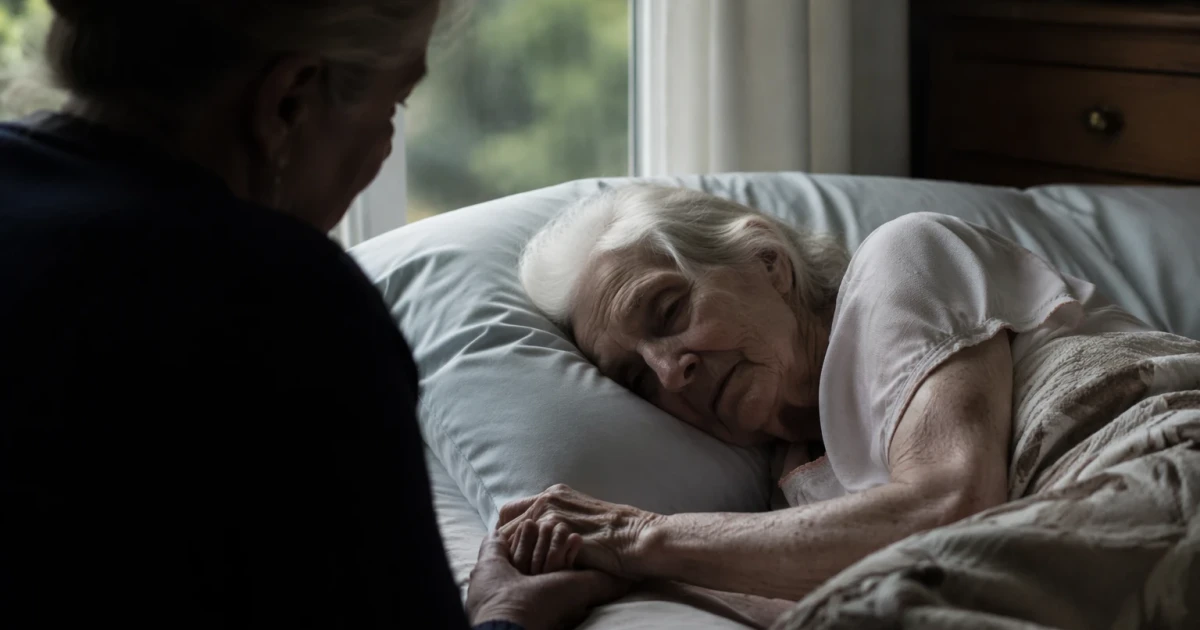
A combination of THC and CBD rapidly cut agitation in hospice-eligible people with late-stage Alzheimer’s disease and other dementias, with benefits seen within two weeks. The result came from the phase 2 LiBBY trial, short for Life’s End Benefits of cannaBidiol and tetrahYdrocannabinol, and was presented July 14, 2026, at the Alzheimer’s Association International Conference in London.
The Alzheimer’s Association said the study focused on people near the end of life who were eligible for hospice care, a population where agitation can be especially hard to manage. That matters well beyond one clinic or conference hall: neuropsychiatric symptoms in dementia are a major driver of caregiver burden, health care costs and institutionalization, according to a 2023 PubMed-indexed study.
The new finding is promising, but it does not settle whether cannabis belongs in routine dementia care. LiBBY is a phase 2 trial, not a definitive practice-changing study, and the result was presented as topline data. Investigators and advocates have already pointed to the need for larger controlled trials and close attention to safety in older adults, especially in frail patients living with advanced disease.
Current treatment pathways are limited. NICE guidance for dementia management emphasizes non-cognitive symptoms, and its antipsychotic advice says those drugs may be considered for severe agitation, aggression and distress only under specialist supervision. That caution reflects the tradeoff clinicians face now: symptoms can be severe, but the medicines most often used can bring significant side effects.
The cannabis evidence base remains thin and mixed. A 2020 systematic review of cannabis use in older adults found that wide variation in products and outcomes made firm conclusions difficult and called for higher-quality research. A 2025 phase 2 randomized trial of low-dose balanced THC-CBD extract in Alzheimer’s disease found no significant difference in secondary outcomes or adverse events, though the cannabis group had a higher MMSE score at week 26. A 2023 Journal of Clinical Psychiatry study described THC as a novel option for dementia symptoms, while noting that in the United States caregivers must obtain it from a commercial dispensary for patients with dementia.

That access issue is not a footnote. If THC-CBD is to move from conference promise to real-world care, it will need more than a signal of benefit in one frail, end-of-life group. It will need cleaner evidence, clear dosing, careful monitoring and a system that does not leave families to navigate retail cannabis markets alone.
Sources
- [1]nytimes.com
- [2]aaic.alz.org
- [3]nice.org.uk
- [4]cks.nice.org.uk
- [5]pubmed.ncbi.nlm.nih.gov
- [6]alz.org