Technology
‘The AI Doc’ Director Condemns AI Firms Over Artist IP
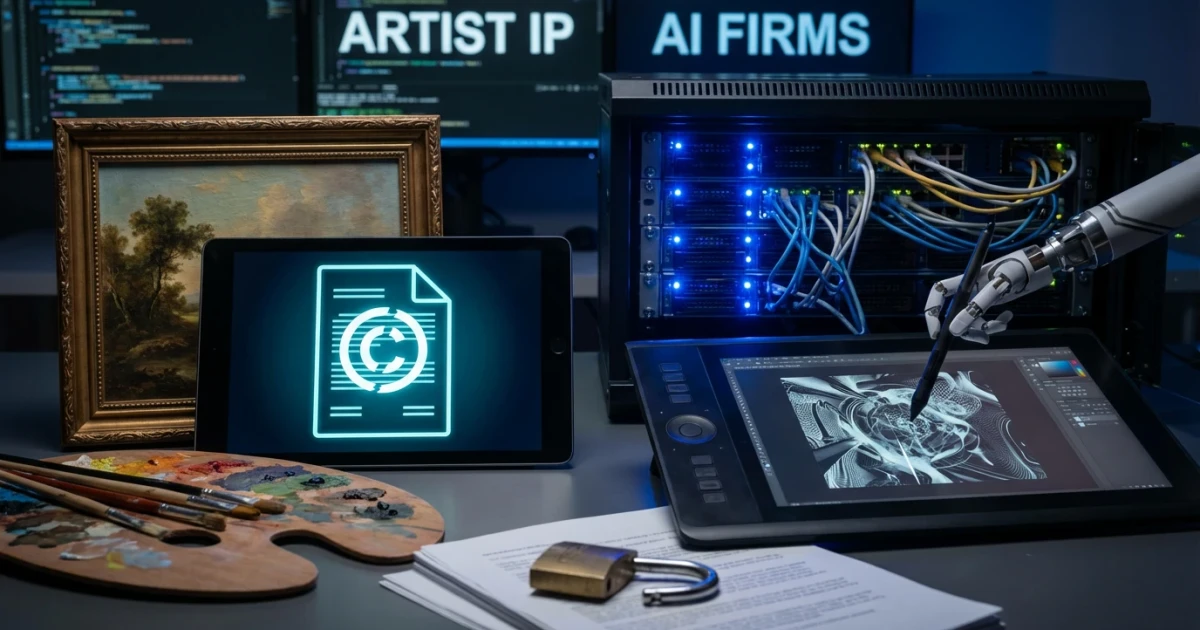
‘The AI Doc’ director has delivered a blunt message to artificial intelligence companies accused of appropriating artists’ intellectual property, highlighting a growing rift between technology firms and the creative community. The filmmaker’s outspoken stance brings renewed attention to the contentious debate over how AI systems use copyrighted works in training and output generation.
Director’s Public Rebuke Highlights Tensions
In coverage by Mashable, the director of ‘The AI Doc’ did not mince words, issuing a direct and explicit condemnation of AI companies allegedly exploiting artists’ IP without permission. The film, which explores the intersection of artificial intelligence and creative industries, has become a focal point for artists concerned about the use of their work in AI training datasets.
This public outcry reflects broader frustrations among creators who argue that their intellectual property is being incorporated into generative AI models without proper acknowledgment or compensation. These concerns are not isolated, as numerous artists and creative organizations have documented a rise in copyright disputes tied to AI-driven platforms. Copyright statistics from the Artists Rights Society show an uptick in reported infringement cases and licensing conflicts involving digital art and generative AI.
Debate Over Copyright and Consent in AI Training
The use of vast datasets to train AI models has sparked an international debate over legal and ethical issues related to copyright and fair use. Many AI companies scrape the internet for images, text, and other creative works, often without explicit consent from original creators. While some firms argue that this practice falls under fair use exceptions, artists and advocates contend it undermines their rights and livelihoods.
According to data from the World Intellectual Property Organization (WIPO), global copyright filings have increased in recent years, with a parallel rise in disputes involving digital technologies. Legal experts note that the lack of clear international standards for AI and copyright exacerbates uncertainty for both creators and technology developers.
Ongoing Legal Battles and Calls for Reform
- Multiple lawsuits have been filed by artists against AI companies, as tracked by the New York Times' AI Art Lawsuits Database.
- Artists are demanding new legislation to address compensation and consent for the use of their work in AI systems.
- Some technology firms have responded by offering opt-out mechanisms or limited licensing agreements, but critics say these measures fall short of genuine protection.
Industry observers point to resources like the Digital Artist’s IP and AI reference to illustrate the complex landscape of ongoing disputes, shifting legal precedents, and the evolving role of copyright in the age of machine learning. The European Parliament has also produced briefings on AI and copyright, calling for clearer policies to balance innovation with artistic rights.
Looking Ahead: The Creative Community’s Response
The director’s emphatic statement encapsulates a broader movement among artists who are organizing, litigating, and lobbying for stronger protections in the age of AI. As generative technologies continue to shape the future of art, music, and media, the conversation around intellectual property—and who benefits from creative labor—is likely to intensify.
With ongoing legal battles and growing public scrutiny, the dialogue between creators and AI developers will remain a defining issue for the intersection of art and technology. Whether through policy reform, industry standards, or collective action, the outcome will have lasting implications for how creative works are made, shared, and protected in the digital era.