Entertainment
The Catcher in the Rye at 75, why the novel became infamous
J.D. Salinger’s The Catcher in the Rye has outlived the teenager it was written for and become something else entirely: a book repeatedly pulled into America’s darkest headlines. As the novel turns 75 this summer, Lily Meyer and Sarah Gleim revisit how Holden Caulfield’s voice became linked to murder, moral panic, and the uneasy habit of treating fiction as evidence.
How a novel about alienation got tied to violence
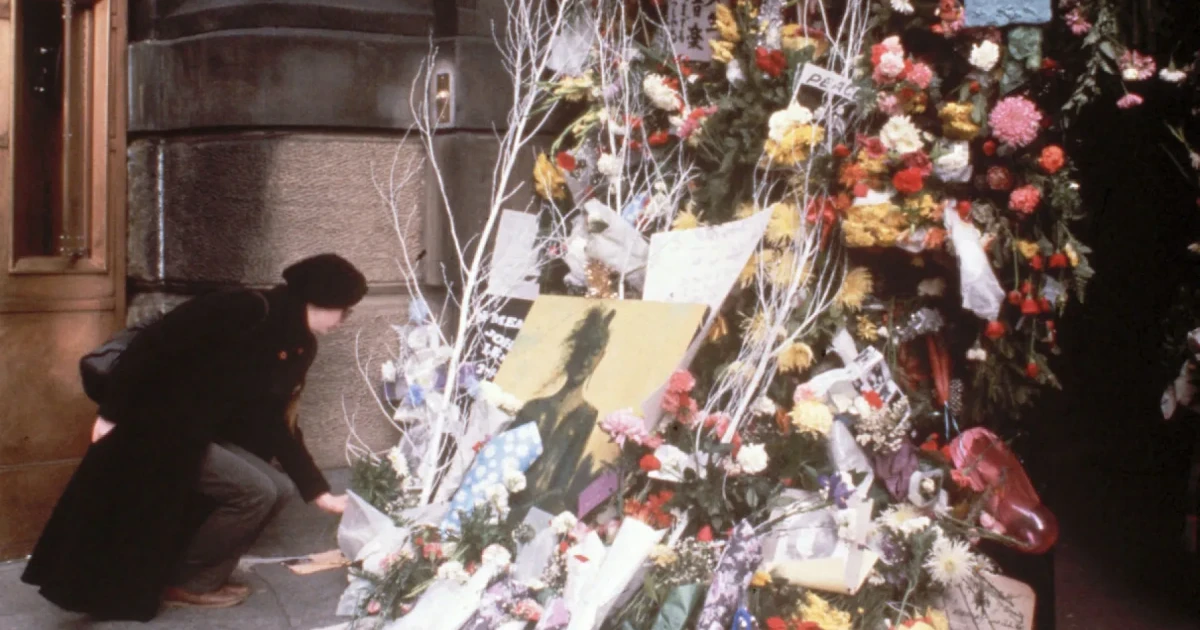
The clearest stain on the book’s reputation came on December 8, 1980, when Mark David Chapman shot John Lennon in front of the Dakota Building in Manhattan. Chapman was carrying a copy of The Catcher in the Rye when he fired, and he remained at the crime scene reading the novel until police arrived. That detail hardened the idea that the book was not just something he owned, but something that somehow explained him.
Nine years later, Robert John Bardo read The Catcher in the Rye before killing actress Rebecca Schaeffer on July 18, 1989. Taken together, the Lennon and Schaeffer cases gave the novel an ominous afterlife in true-crime storytelling, where a paperback became a shorthand for obsession and instability. But the facts point to proximity, not causation: the book was present in the orbit of violence, not the mechanism that produced it.
Why the book became a recurring symbol

Part of the novel’s power is that Holden Caulfield’s alienation has always made readers feel seen and unsettled at once. That same quality also made the book easy to weaponize in public debate, especially after high-profile crimes involving men who left behind symbolic objects or gestures. A novel about a lonely teenager in New York City became, for many outsiders, less a work of fiction than a cultural Rorschach test for dangerous youth.
That is where myth overtakes evidence. The repeated connection to Chapman and Bardo helped turn The Catcher in the Rye into a post hoc symbol, a book people reached for after violence had already happened in order to make the horror feel legible. The pattern says as much about media appetite for a simple explanation as it does about any reader’s relationship to Salinger’s prose.
Censorship turned suspicion into policy
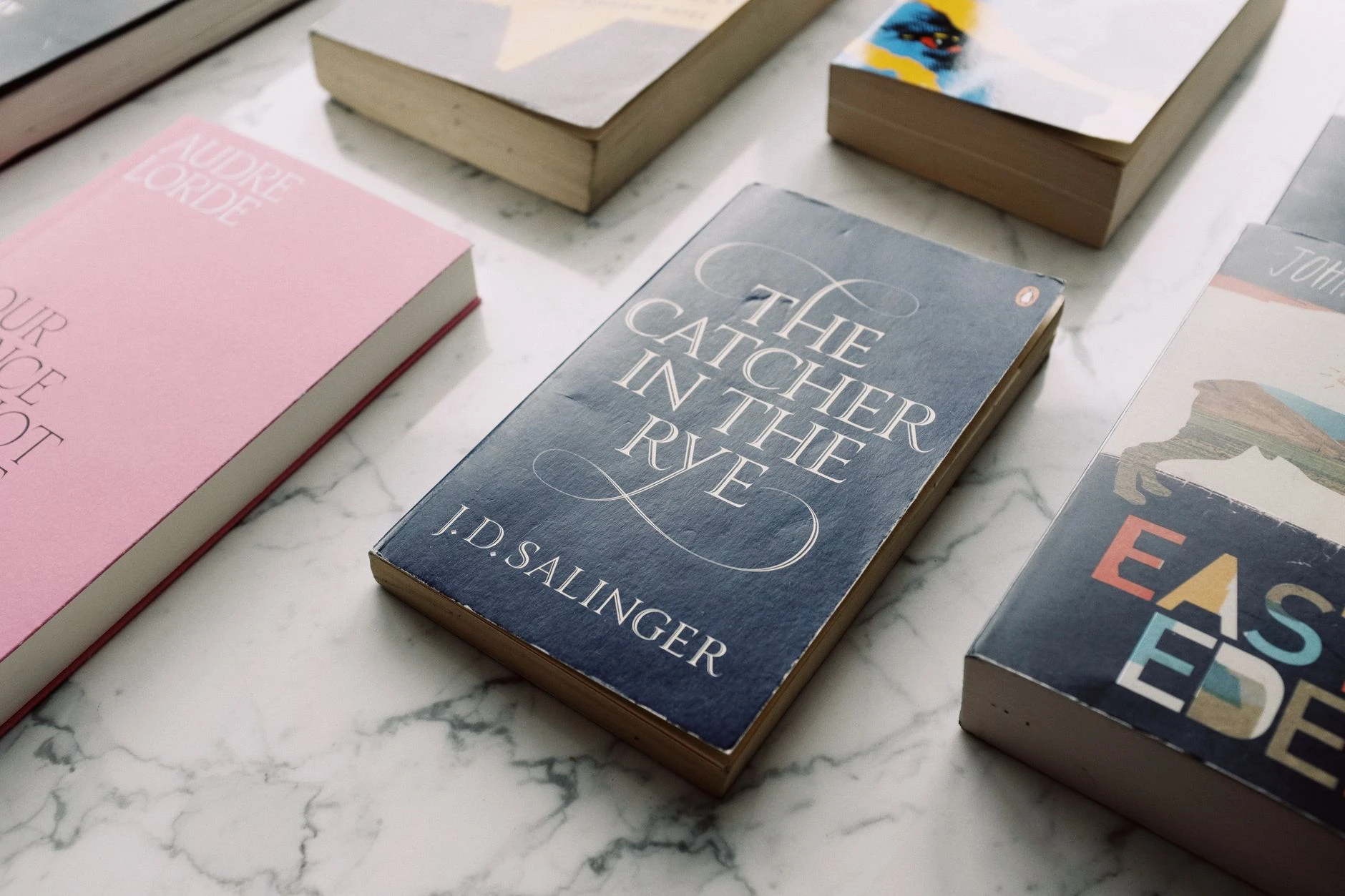
The novel’s notoriety was reinforced by decades of censorship. It has been banned more than 30 times since 1960, and it was the most censored book in U.S. high schools and libraries between 1961 and 1982. Those numbers show how quickly a controversial novel can become a target for institutions that want to draw a bright line between adolescence and transgression.
In practice, that censorship gave the book a second life. Each challenge, ban, or removal from a school shelf signaled that adults saw Holden’s alienation as dangerous enough to police, which only deepened the book’s reputation as forbidden reading. The result was a feedback loop: the more the novel was treated as suspect, the more it seemed charged with hidden meaning.
What the moral panic misses
The enduring mistake is to confuse symbolic resonance with responsibility. The Catcher in the Rye may have mattered to Chapman and Bardo, but neither case proves that the novel creates violent people. What it does show is how disturbed individuals can adopt a recognizable text as part of a self-authored myth, one that helps them narrate their own alienation after the fact.
That matters for public health, school policy, and community trust. When institutions respond to sensational violence by censoring literature, they often satisfy fear without addressing the conditions that make isolation, fixation, and despair more dangerous in the first place. Libraries and classrooms become battlegrounds for adult anxiety, while the harder work of violence prevention, mental health support, and careful media literacy gets pushed aside.
The book’s infamy, then, is not a simple story about one novel corrupting readers. It is a record of how media coverage, law enforcement narratives, and public fear can elevate a work of literature into a moral panic, then keep recycling that panic every time a new act of violence needs a familiar symbol. Seventy-five years on, The Catcher in the Rye remains less a cause of crime than a case study in how culture turns fiction into blame.
Sources
- [1]abcnews.com
- [2]aetv.com
- [3]theatlantic.com
- [4]thenation.com
- [5]iheart.com
- [6]thisbookisbanned.com
- [7]research.gfcmsu.edu