Technology
The Games Industry’s Lingering Titles: What Happens When Projects Stall
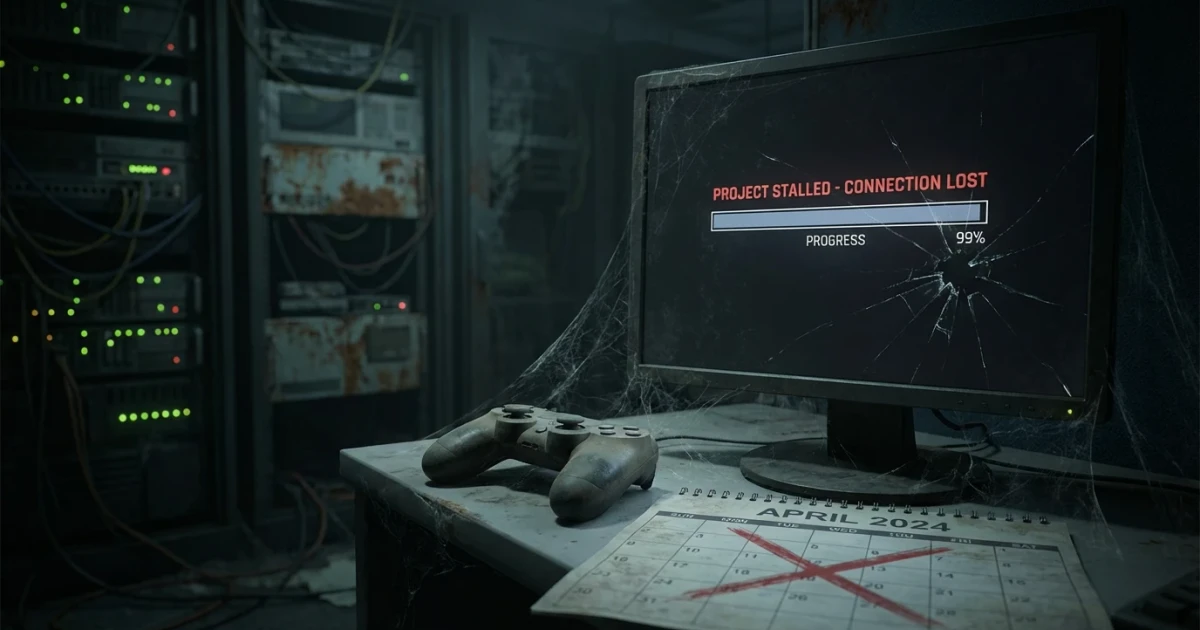
Video game fans know the drill all too well: a major title gets announced amid excitement, receives an initial trailer, and then vanishes—sometimes for years, sometimes for good. As highlighted in GameSpot’s recent feature, the phenomenon of games lingering in development limbo is a persistent issue in the industry, affecting both blockbuster franchises and smaller passion projects alike.
Why Games Enter Development Limbo
Multiple factors contribute to video games slipping into obscurity after their initial announcement. GameSpot reports that production delays are often the result of technical challenges, shifting market trends, or changes in leadership at the development studio or publisher. In some instances, the scope of a project expands beyond what was initially feasible, leading to prolonged development cycles and, occasionally, indefinite postponement.
- Technical hurdles such as engine upgrades or adapting to new hardware can add years to a project’s timeline.
- Market changes—like new competitors or genre fatigue—may cause publishers to rethink strategy.
- Resource reallocation happens when studios are tasked with higher-priority assignments, leaving prior projects on the backburner.
For fans, this translates to years of silence and uncertainty, with only sporadic updates or rumors to maintain hope.
High-Profile Cases and Industry Data
GameSpot’s analysis references several games that were highly anticipated but became examples of this trend. Titles like Deep Down, first announced by Capcom in 2013, have not seen substantial updates in years. Similarly, projects such as Agent from Rockstar Games and Wild from Wild Sheep Studio have faded into the background after initial waves of publicity.
According to crowd-sourced databases like Giant Bomb’s Game Database and the statistical breakdowns on MobyGames, there are hundreds of titles listed as delayed, unreleased, or canceled over the past decade. These databases offer a window into just how common development limbo is, with projects ranging from AAA blockbusters to niche indies.
- Some games officially resurface after years, but others quietly disappear, leaving fans with unanswered questions.
- Research from the GDC State of the Game Industry 2024 Report found that over 30% of surveyed developers had worked on a canceled or indefinitely postponed title in the past two years.
Fan Reactions and Industry Impact
The emotional toll on fans is considerable. Communities on platforms like ResetEra maintain lists of cancelled games, tracking the fate of missing projects and sharing updates—when available. The lack of communication from publishers can lead to speculation and frustration, while studios themselves often remain silent due to contractual or marketing reasons.
From a business perspective, prolonged development and delays can mean significant financial losses. For publishers, projects in limbo represent sunk costs and lost opportunities. According to GameSpot, some projects are quietly shelved to preserve company reputation and avoid disappointing shareholders, as evident in disclosures found in SEC filings from major publishers like Take-Two Interactive.
When Do Games Return?
While a handful of games do eventually reemerge—sometimes rebranded, rebooted, or handed to new studios—the majority remain lost. The Wikipedia list of canceled or delayed games charts the winding paths of dozens of projects, showing that only a small fraction return to active development or reach release.
Industry analysts note that transparency is slowly improving. Studios are learning to manage expectations, with some providing regular development updates or early access builds to maintain community interest and trust. However, the tension between marketing hype and development realities remains a central challenge for publishers and developers alike.
Outlook: Navigating Uncertainty in Game Development
As the scope and ambition of video games continue to grow, the phenomenon of projects entering development limbo is likely to persist. For fans, industry databases and community trackers provide a means to follow the fates of missing titles. For developers, navigating the pressures of technological advancement, market shifts, and internal priorities remains a delicate balancing act.
Ultimately, the story of games in limbo is a reminder of the complex, unpredictable journey from announcement to release—and the importance of patience and transparency in the ever-evolving world of game development.