Health
The hidden blood pressure number that signals heart risk
You already know the cuff gives two numbers, but one of them hides a third reading that can matter for heart health. That hidden figure is pulse pressure, the gap between systolic and diastolic pressure, and it can offer clues about arterial stiffness, vascular aging, and cardiovascular risk.
How the familiar blood-pressure reading works
A standard reading is written as systolic over diastolic, such as 120/80 mm Hg. Systolic pressure is the pressure in your arteries when the heart beats, while diastolic pressure is the pressure between beats. The American Heart Association classifies normal adult blood pressure as less than 120 systolic and less than 80 diastolic, elevated as 120 to 129 systolic with diastolic under 80, stage 1 hypertension as 130 to 139 or 80 to 89, and stage 2 hypertension as 140 or higher or 90 or higher.
That framework still matters first. If the systolic and diastolic numbers fall into different categories, Mayo Clinic says the higher category is the one that applies. So a reading can look only mildly off at a glance while still meeting the threshold for hypertension, which is why the full reading needs to be interpreted carefully.
The hidden number inside the reading
Pulse pressure is the systolic number minus the diastolic number. In a 120/80 reading, the pulse pressure would be 40 mm Hg. Mayo Clinic describes it as one way clinicians can think about arterial stiffness, which means it can reveal something about the condition of your blood vessels that the standard top-and-bottom numbers do not show directly.
A wider pulse pressure often reflects stiffer arteries, especially with aging. A narrower pulse pressure can point in the other direction and may be a clue to conditions such as heart failure. That makes pulse pressure useful as a context clue, not a replacement for the blood-pressure reading itself.
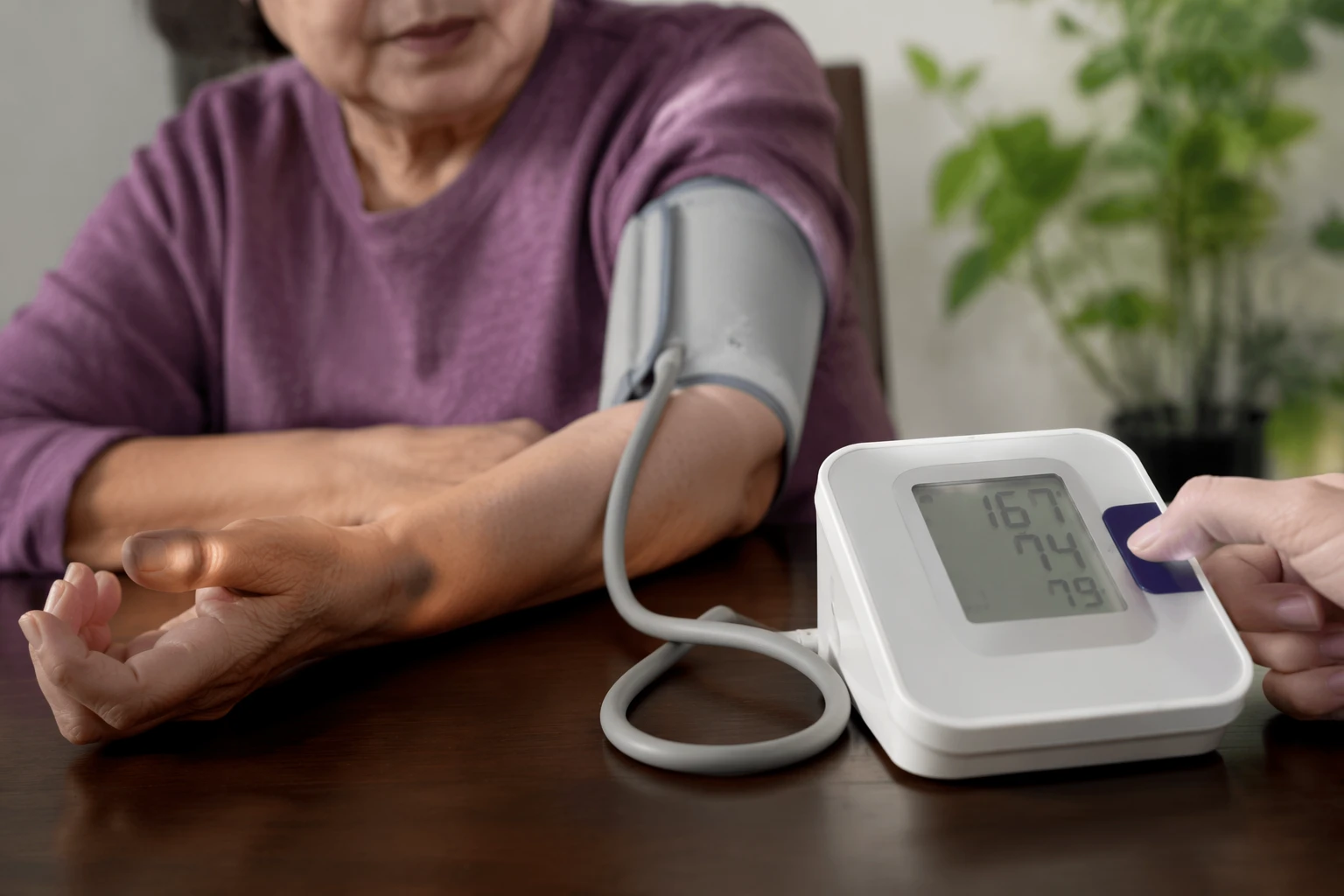
The number is not always dramatic on its own, and that is part of the point. It is most meaningful when it helps explain why a blood-pressure pattern looks the way it does, especially if the gap between the two numbers is unusually large or unusually small for the person in front of the clinician.
Why the gap matters for heart risk
The reason clinicians pay attention to pulse pressure is that it has been tied to cardiovascular outcomes in multiple studies. In a Framingham-based JAMA study of older adults, every 10 mm Hg increase in pulse pressure was associated with a 14 percent increase in the risk of congestive heart failure after adjustment for other factors. Other research has linked pulse pressure to coronary heart disease, stroke, myocardial infarction, mortality, and atrial fibrillation.
That does not mean pulse pressure diagnoses disease by itself. It does mean the gap between the two numbers can carry clinically useful information beyond the standard reading, especially when doctors are trying to understand whether blood vessels are becoming less flexible over time. In older adults in particular, a widening gap may suggest vascular aging that deserves closer attention.
The broader public-health context makes that extra information important. The National Heart, Lung, and Blood Institute says half of all American adults have high blood pressure, many do not even know it, and hypertension is a major risk factor for heart disease, the leading cause of death in the United States. In that setting, even a lesser-known measure can help sharpen risk discussions and make follow-up more precise.
When pulse pressure is worth asking about
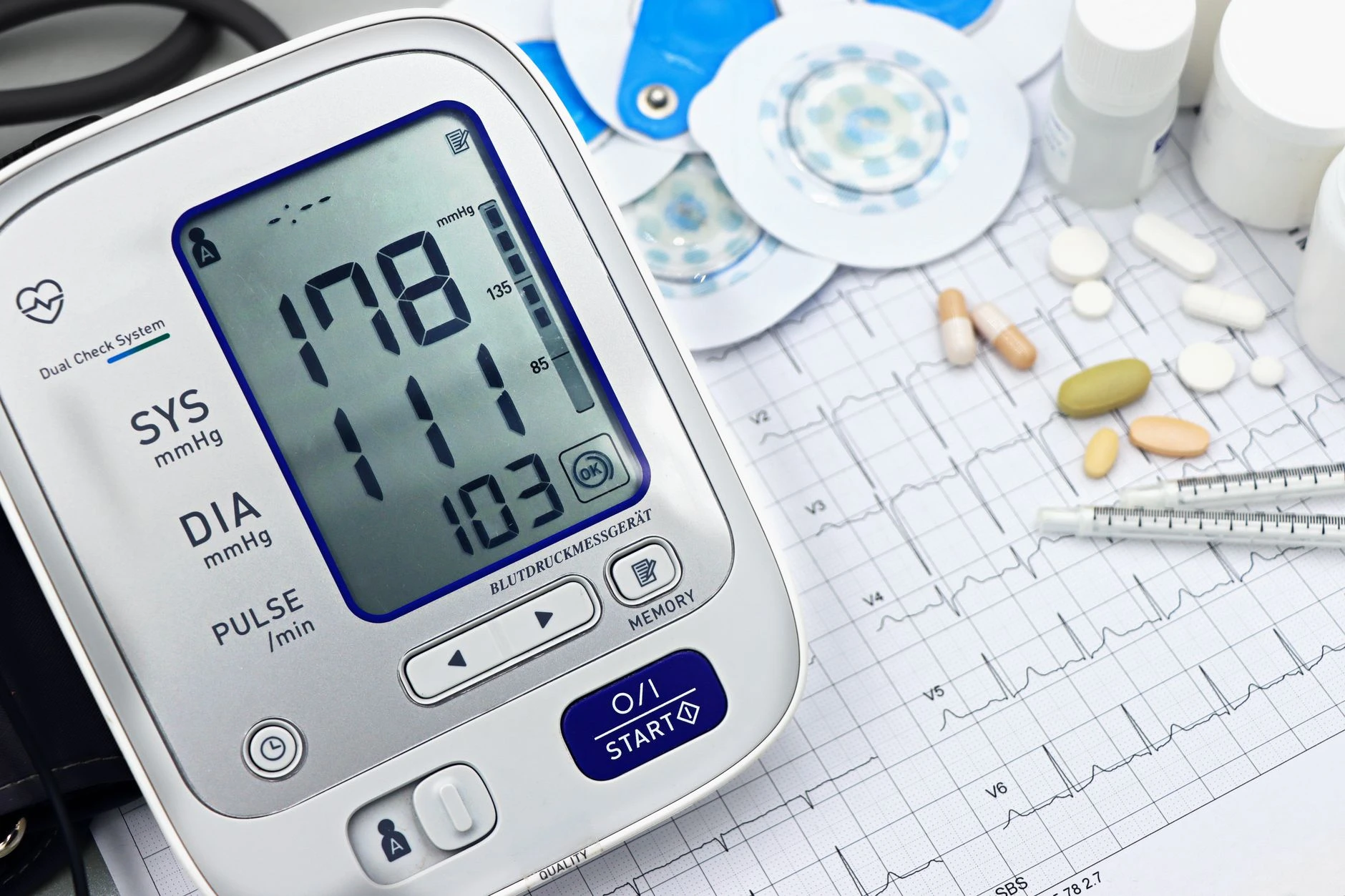
Pulse pressure is worth raising with a doctor when your readings are persistently high, when the gap seems unusually wide or narrow, or when you already have cardiovascular disease risk factors. It can also be relevant if you have symptoms or diagnoses that suggest heart failure, arterial stiffness, or other vascular problems. For many patients, the most useful question is not whether the number is “good” or “bad” in isolation, but what pattern it suggests over time.
It is less useful if it is taken from a single hurried reading or if the measurement itself may be unreliable. That is why technique matters. NHLBI recommends avoiding exercise, coffee, and smoking for 30 minutes before a blood-pressure test, using the bathroom first, and sitting quietly for at least five minutes before the cuff goes on.
Mayo Clinic also advises that the first blood-pressure check should be done in both arms to look for a difference, and then the arm with the higher reading should be used. That matters because a misleading measurement can distort not only the usual systolic and diastolic numbers, but also the pulse pressure calculated from them. A clean reading is the starting point for any meaningful interpretation.
What to do with the number in practice
If your pulse pressure is being discussed, the next step is usually not panic but confirmation and context. Doctors may repeat the measurement, compare both arms, review whether the reading fits the AHA blood-pressure categories, and look for signs that the gap reflects stiff arteries or another cardiovascular issue. In some cases, the number can help guide how closely blood pressure should be followed and whether treatment needs to be adjusted.
The larger lesson is straightforward: the cuff gives you more than a top and bottom number. Pulse pressure turns that familiar reading into a small window on blood vessel health, and for patients at risk, that window can help identify trouble earlier, before the standard numbers tell the full story.
Sources
- [1]nbcnews.com
- [2]heart.org
- [3]mayoclinic.org
- [4]nhlbi.nih.gov
- [5]jamanetwork.com