Health
The Manchineel Tree: Unmasking Nature’s Deadliest Plant
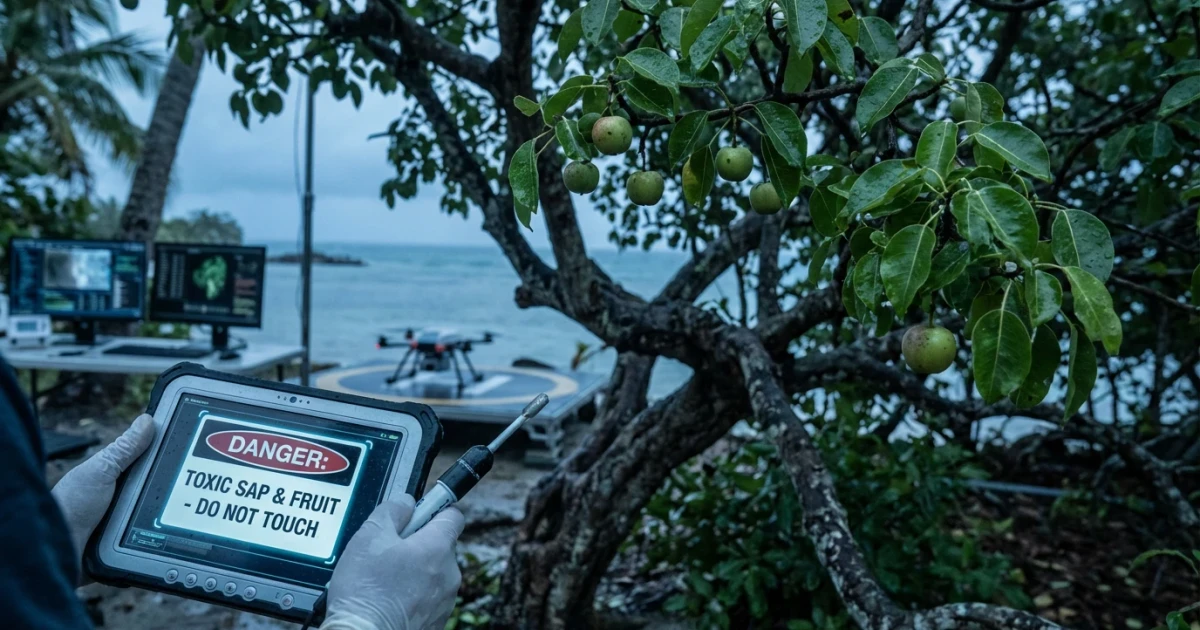
The Manchineel tree, infamous across the Caribbean and Central America, is widely regarded as one of the most dangerous plants in the world. Nicknamed the ‘Tree of Death’, nearly every part—from its bark to its fruit—can cause severe harm or even be fatal, making it a botanical hazard well beyond the ordinary.
Why the Manchineel Is So Dangerous
The Manchineel (Hippomane mancinella) has developed a suite of defenses that make it a true outlier in the plant world. Its poisonous properties have been documented extensively by toxicologists and medical professionals. The tree’s milky white sap contains phorbol and other toxic compounds. Contact with this sap, whether through touching the bark, leaves, or breaking a twig, can cause severe dermatitis, blistering, and even blindness if it gets into the eyes.
- The sap is so caustic that standing beneath a Manchineel during rain is dangerous—the water carries the toxins, causing painful burns where it lands on skin.
- Burning any part of the tree releases toxic smoke, which can irritate or damage the eyes and respiratory tract.
- The small green fruit, sometimes called ‘beach apple’ or ‘death apple,’ is highly poisonous. Ingesting even a small amount can cause intense gastroenteritis, dehydration, and potentially fatal organ failure.
Firsthand Accounts and Clinical Cases
Researchers have chronicled numerous cases of accidental poisoning from the Manchineel. Symptoms of exposure include intense burning sensations, blistering, and swelling. Reports also describe temporary blindness when sap contacts the eyes, and severe throat pain or constriction if the fruit is eaten—even in small bites.
Because the tree is often found along beaches, unsuspecting tourists may be tempted to seek shade beneath its canopy or sample its attractive-looking fruit, not realizing the risks. In some areas, warning signs or painted red lines mark Manchineel trees as a precaution.
Ecological Role and Distribution
Despite its danger to humans, the Manchineel tree plays an important ecological role. It helps stabilize coastal sand dunes and provides shelter for some wildlife. According to the IUCN Red List, the species is not currently threatened, but its range is limited to coastal areas in Florida, the Caribbean, Central America, and northern South America.
Its notoriety has even led to cultural references and local folklore, often warning children—and adults—to steer clear of its toxic embrace.
What to Do in Case of Exposure
Medical professionals recommend immediate action if someone comes into contact with Manchineel sap or fruit:
- Rinse the affected area with large amounts of water; avoid rubbing the skin or eyes.
- Remove contaminated clothing and seek medical attention promptly.
- If smoke from burning wood is inhaled, move to fresh air and monitor for respiratory distress.
- Never attempt to eat any part of the Manchineel, even if local wildlife does—some species have evolved resistance humans lack.
Identifying and Avoiding the ‘Tree of Death’
The Manchineel’s distinctive profile includes glossy green leaves and small, round greenish-yellow fruit. Local authorities often paint trunks or post warning signs near known specimens, but caution is always advised when exploring unfamiliar beaches in its native range.
Looking Ahead
While the Manchineel’s threats are well-documented, it also serves as a reminder of nature’s power and complexity. Continued education and signage are essential to prevent accidental poisonings, especially as ecotourism grows. By respecting these remarkable—if deadly—trees, humans and nature can coexist more safely along the world’s tropical shores.