Technology
The New York Times says Microsoft encouraged OpenAI to use copyrighted articles
The New York Times has accused Microsoft of encouraging OpenAI to train its A.I. systems on copyrighted articles, widening a copyright fight that now reaches beyond a single model and into the business relationships behind it. The amended filing sharpens the case from a claim that A.I. copied newsroom work into an allegation that a major technology partner helped build the pipeline for that copying.
The Times’ lawsuit, The New York Times Company v. Microsoft Corporation, was filed in the U.S. District Court for the Southern District of New York on Dec. 27, 2023, and is assigned to Judge Sidney H. Stein and Magistrate Judge Ona T. Wang. The court granted the newspaper leave to amend in August 2024, and the amended complaint was filed on Aug. 12, 2024. On March 26, 2025, Stein allowed the core copyright infringement claims to move forward, dismissed the unfair competition claim with prejudice, and tossed most of the DMCA claims without prejudice.
Microsoft and OpenAI answered the first amended complaint on April 29, 2025, and the case has since been shaped by discovery disputes over ChatGPT output log data and preservation. A June 2025 order directed the parties to begin sampling 30-day tables of consumer output logs, a fight that has put user privacy at the center of the litigation. OpenAI has said the Times’ demands threaten privacy and have sought retention of ChatGPT and API data, while the newspaper has maintained that its reporting was used without permission or compensation.
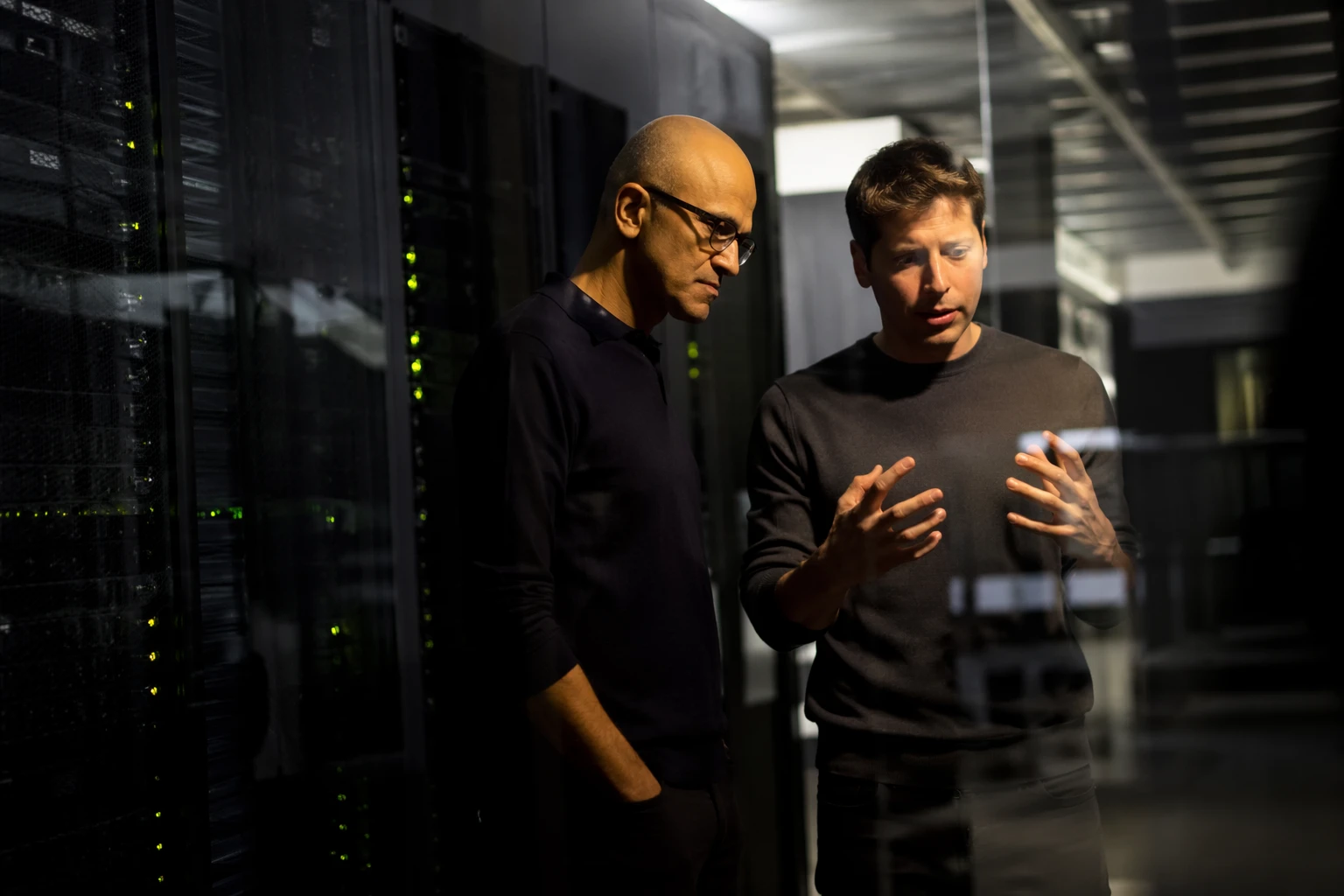
The dispute has also become part of broader OpenAI copyright litigation consolidated into multidistrict proceedings, alongside cases brought by other news organizations and authors. Court records show the last known filing in the Times case was June 11, 2026. That ongoing docket makes the amended complaint more than a pleading tweak: it is a test of whether publishers can reach not only the A.I. systems that absorb their work, but also the companies that may have pushed those systems to do it.
For publishers, the stakes run well beyond this case. If the Times can press liability up the chain to a platform partner like Microsoft, licensing talks across the industry could change, with news organizations bargaining not just over model developers but over the infrastructure and incentives that helped train them. The outcome could influence how publishers price their archives, how technology firms negotiate access, and how copyright law draws the line between training data and unlawful copying.
Sources
- [1]nytimes.com
- [2]courtlistener.com
- [3]docs.justia.com
- [4]law.justia.com
- [5]openai.com