Technology
The physical video game era is ending as digital takes over

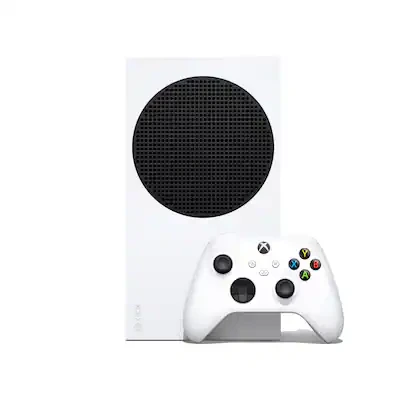
Microsoft launched the Xbox Series S in 2020 as an all-digital, disc-free machine. The game disc is no longer the default spine of console gaming, and the shift is changing what buyers actually own.
A market moving decisively toward downloads
The commercial case for discs has been shrinking for years, and the numbers now make that unmistakable. Circana’s Mat Piscatella said U.S. spending on physical video game software in 2024 was more than 85% below its 2008 peak and that the decline accelerated in 2024. Circana also projected the U.S. video game market would decline in 2024 before a possible rebound in 2025, showing that the contraction is not limited to one platform or one retailer.
The Entertainment Software Association’s 2024 Essential Facts puts 61% of Americans ages 5 to 90 at playing video games, about 190.6 million people. At the same time, the broader physical-disc home entertainment market has also shrunk sharply, with U.S. disc sales falling below $1 billion in 2024. Gaming is following a larger media pattern, but the consumer consequences are unusually direct because a game purchase has long carried expectations of ownership, lending, and resale.
What changes when a game becomes a license
The core issue is not nostalgia for boxes on a shelf. It is the difference between buying an object and being granted access to a service. A disc can be resold, borrowed, archived, and often played without a permanent connection to a storefront. A digital license is easier for publishers to revoke, harder to transfer, and dependent on the continued existence of the platform that sold it.
Resale disappears when a purchase cannot leave the account that bought it. Price transparency becomes murkier when digital storefronts can keep a game at full price for long stretches, while physical retailers once competed directly with discounting, used copies, and clearance bins. Offline access also becomes less certain as more releases require patches, account authentication, or server checks before they will run properly, even when the player has already paid.
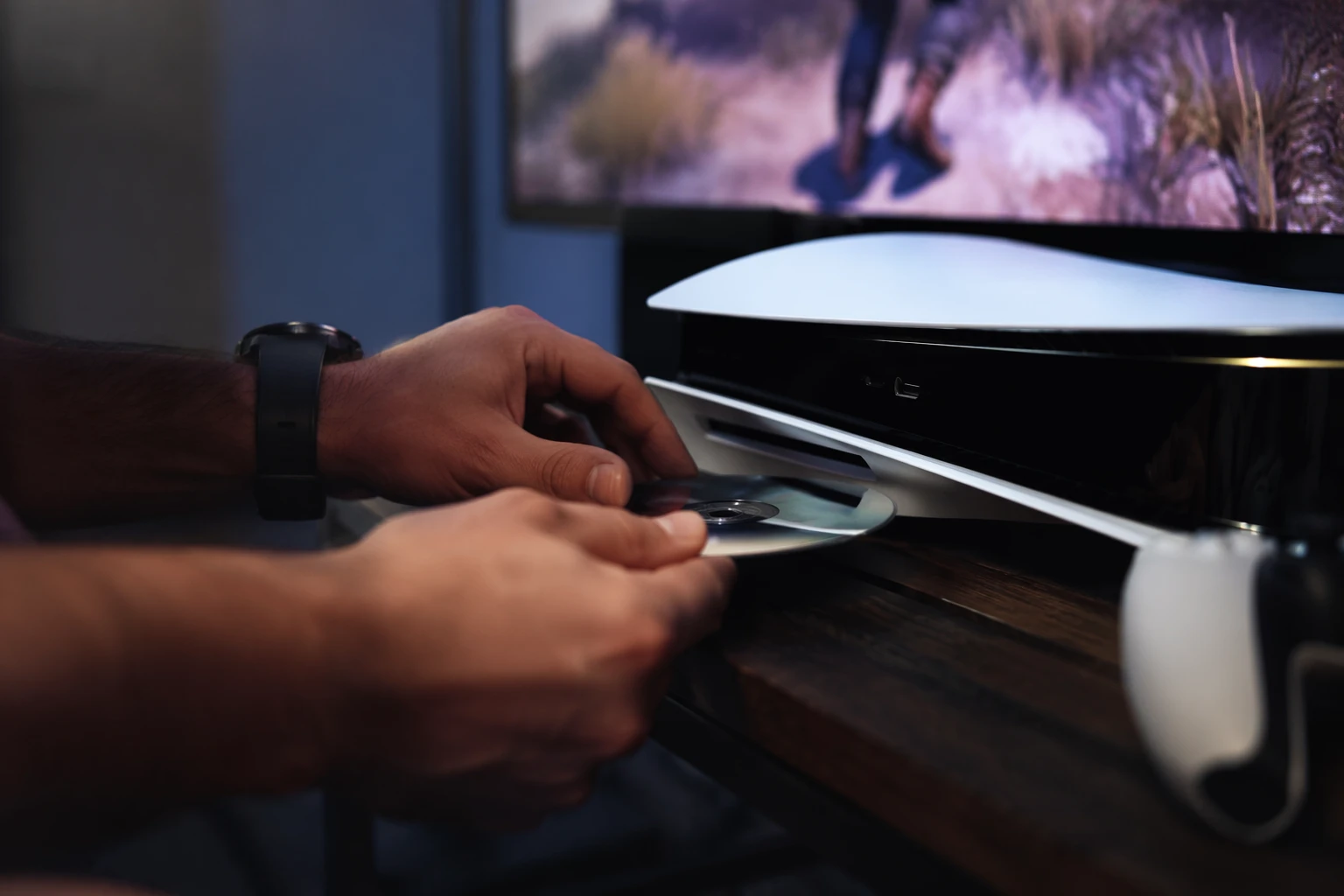
Nintendo’s virtual game cards are an example of how platform holders are trying to preserve some of the old convenience without restoring old ownership. The feature is designed to add some of the flexibility of physical game cards to digital game libraries on Switch and Switch 2.
Preservation is becoming a policy problem
The disappearance of discs is also a preservation problem. The Video Game History Foundation is a 501(c)(3) nonprofit devoted to preserving, celebrating, and teaching video game history, and it argues that libraries and archives need legal pathways to preserve out-of-print digital games. That argument becomes more urgent as more titles are built around online storefronts, live-service dependencies, and server authentication.
When a storefront closes or a publisher pulls a title, a game can vanish from the market even if the public still cares about it. Libraries and museums cannot rely on simple downloads if they want to preserve software for future research. The problem is bigger than any one game: digital-only distribution shifts cultural memory from shelves and archives toward corporate account systems that can change, expire, or disappear.
Sony’s July 1, 2026 announcement that it would end physical disc production for all new PlayStation games beginning in January 2028 sharpened the fear among preservation advocates and collectors alike. Existing discs already scheduled before that cutoff will still ship.
The hardware makers have already chosen sides
The console makers have been signaling this transition for years. Sony’s redesigned PS5, announced in 2023, made the Ultra HD Blu-ray disc drive removable instead of standard, a design choice that turned the disc drive into an accessory rather than a baseline feature. Nintendo, meanwhile, has tried to preserve some of the convenience of physical ownership in software form through virtual game cards.
Those choices matter because hardware design sets the boundaries of the market. When a major console launches without a disc drive, publishers get a clear signal about where the platform is headed. When a redesigned machine treats the drive as optional, the message is similar: physical media is no longer the assumed path for buying and playing games. Over time, that changes retailer shelf space, manufacturing priorities, and the expectations built into game pricing.
The shift also helps explain why publishers are making fewer physical releases. Capcom’s recent earnings show digital sales now account for the vast majority of its game sales, consistent with a business model that favors direct distribution over boxed inventory. For publishers, digital cuts manufacturing and shipping costs and gives them tighter control over pricing and regional availability. For players, that same control can mean fewer resale options, fewer permanent copies, and less leverage when storefront pricing stays high.
What the end of the disc means for players
It is a transfer of power from the buyer to the platform holder. A disc once made it easier to keep a game after a storefront closed, to lend it to a friend, to buy it secondhand, or to keep playing when broadband was unavailable. A license often preserves only the right to access the game under conditions the platform can change.
Sources
- [1]theverge.com
- [2]xbox.com
- [3]blog.playstation.com
- [4]nintendo.com
- [5]circana.com
- [6]theesa.com
- [7]gamehistory.org
- [8]videogameschronicle.com
- [9]gamestop.com
- [10]prnewswire.com
- [11]gamespot.com