Lifestyle
The Rise of the Low-Stimulation Lifestyle: Why More People Are Embracing Simplicity
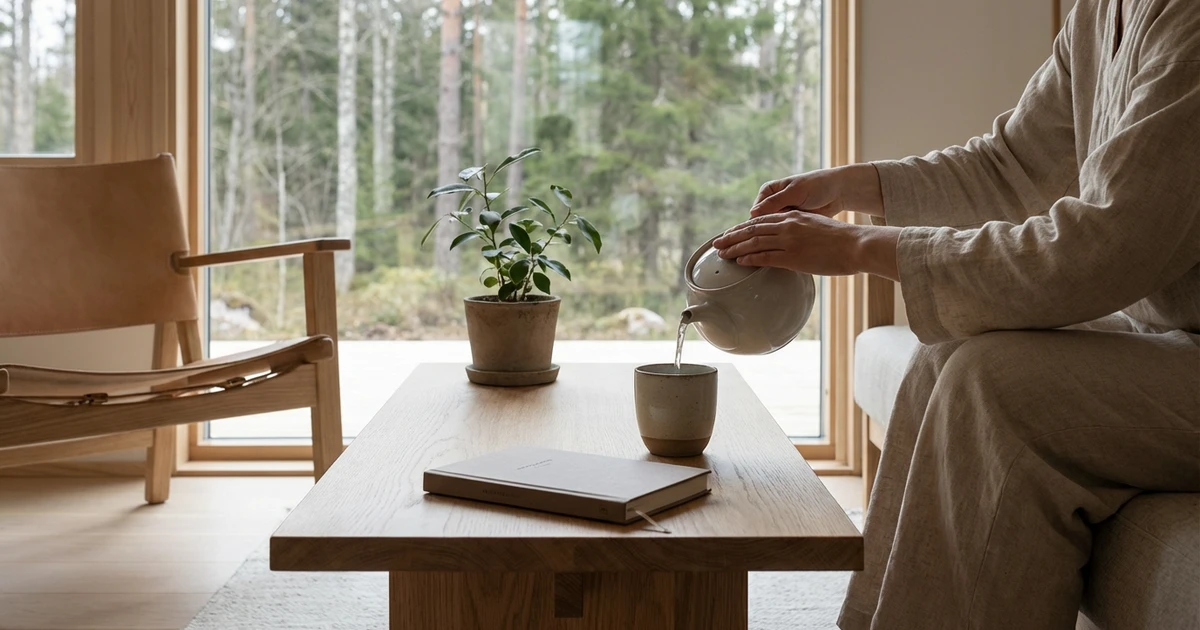
In a world flooded with constant notifications, endless entertainment, and a relentless pace of life, a new movement is quietly gaining momentum: the low-stimulation lifestyle. More individuals are intentionally reducing sensory input, digital noise, and daily distractions in pursuit of greater well-being, clarity, and peace of mind.
Understanding the Low-Stimulation Lifestyle
At its core, the low-stimulation lifestyle is about minimizing unnecessary sensory input and curating one’s environment to foster calmness and focus. This trend has taken hold as people increasingly report feelings of overwhelm and burnout linked to digital overload and the modern pace of life. By consciously scaling back on social media, noisy environments, and packed schedules, adherents aim to reconnect with themselves and the world around them.
Why the Trend Is Gaining Popularity
- Digital Fatigue: The omnipresence of smartphones and social media has led to widespread reports of digital burnout, prompting many to re-evaluate their media consumption habits.
- Mental Health Awareness: Growing conversations around mental health have spotlighted the impact of overstimulation on anxiety, sleep quality, and overall well-being.
- Desire for Mindfulness: Practices like meditation, slow living, and minimalism are increasingly mainstream, aligning with the principles of the low-stimulation trend.
What a Low-Stimulation Lifestyle Looks Like
Embracing low-stimulation living can take many forms, from small daily adjustments to broader lifestyle changes, such as:
- Reducing screen time and setting boundaries around technology use
- Spending more time in nature or quiet environments
- Streamlining schedules to avoid overcommitment
- Practicing mindfulness and single-tasking instead of multitasking
- Choosing calming, minimalist aesthetics in home and work spaces
Potential Benefits and Criticisms
Proponents point to a range of benefits, including improved focus, deeper relaxation, and more meaningful relationships. The low-stimulation approach is often framed as a form of self-care, especially for those who feel overwhelmed by digital life. However, some critics argue that not everyone has the privilege to opt out of overstimulation due to work, caregiving, or other responsibilities. The trend also raises questions about balance: how to reduce excess stimulation without withdrawing from important social or cultural engagement.
Looking Ahead: The Future of Low-Stimulation Living
As the conversation around mental health and digital wellness continues to grow, the low-stimulation lifestyle is likely to influence everything from work culture to interior design and media consumption. While it may not be practical for everyone to embrace the trend fully, its core message—intentionally choosing what to let into our lives—resonates widely in an age of information overload.
Sources
- [1]Rolling Out