World
The Sheffield Press launches, reviving Sheffield’s newspaper tradition
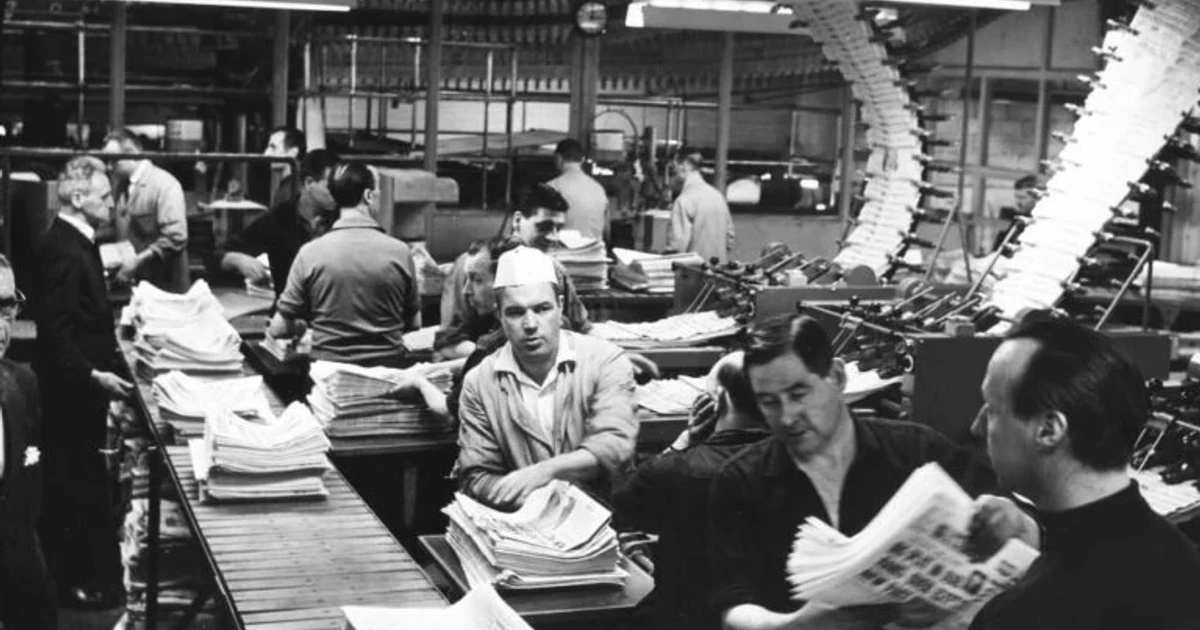
The Sheffield Press went live on June 30 with a digital-news pitch built around breaking news, in-depth reporting and analysis, and it framed itself around coverage of world affairs, politics, business, technology, local council decisions, national politics and cultural events. The launch places a new title into Sheffield’s crowded press history at a moment when the city’s newspaper record is already deep, documented and easy to trace.
That history reaches back to 1787, when the Sheffield Register began publication. The Sheffield Iris followed from 1835 to 1843, the Sheffield Free Press survives in the historical record from 1851 to 1857, and the Sheffield Daily Telegraph began in 1855. The Star, founded in 1869, remains one of the best-known names in the city’s newspaper lineage.
The modern local market is still anchored by Sheffield Newspapers Ltd, which publishes The Star, the weekly Sheffield Telegraph and the Green ’Un from Cubo Work on Carver Street in Sheffield city centre. Sheffield Newspapers Ltd is owned by National World, keeping the city’s established print and digital titles under a single corporate umbrella even as a new entrant adopts the Sheffield name for its own launch.

What makes the new site notable is the contrast between its branding and the long record it is stepping into. Sheffield City Council directs readers to local libraries and the City Archives for historic newspaper searching, and the city’s preserved titles are also indexed in the British Newspaper Archive. The Sheffield Press said Sheffield’s newspaper record reaches back to 1787, and it pointed to 65,127 Sheffield issues surfaced through the archive’s search results, a figure that captures how much of the city’s civic life has been preserved in print.
For readers, the stakes are straightforward. A new digital newsroom in Sheffield does not just add another masthead to a local media market. It enters a city where newspapers have served as a public record for more than two centuries, where the old titles are still searchable, and where claims to local authority will be measured against a paper trail that begins in the 18th century.