Technology
The Verge highlights Prime Day 2026 deals on favorite products
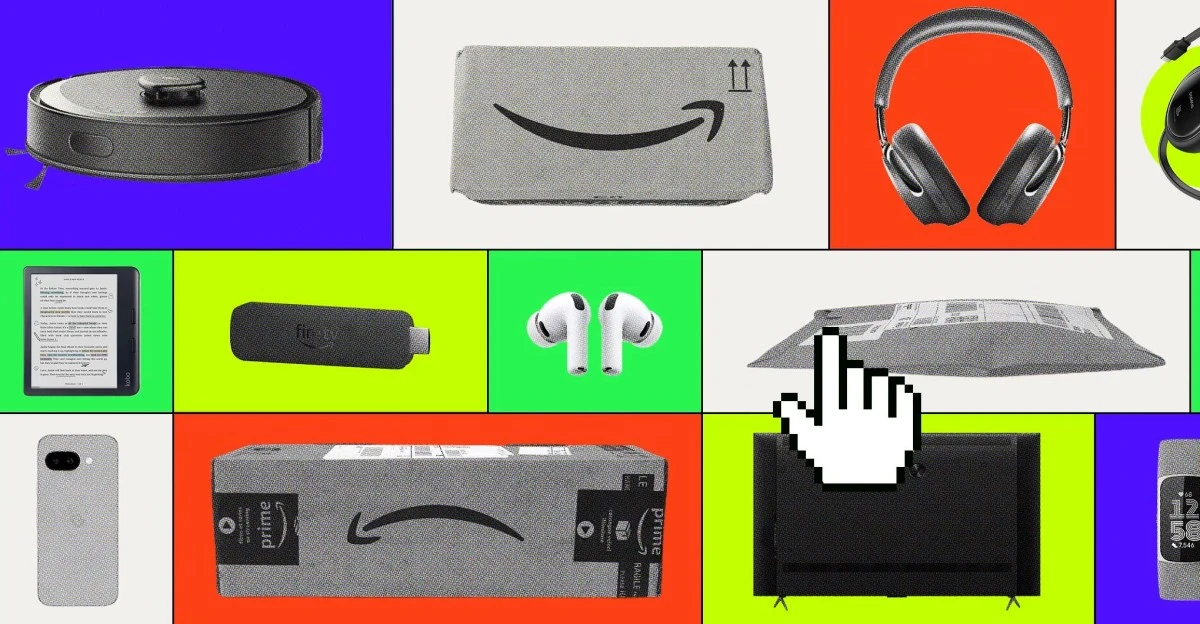
Prime Day 2026 is built to overwhelm you on purpose. Amazon says the event runs from June 23 at 12:00 a.m. Pacific time through June 26 at 11:59 p.m. Pacific time, with millions of deals across more than 35 categories and new offers arriving as often as every five minutes during select periods. The smart way to shop is not to chase volume. It is to slow down, compare the discount against the item’s usual price history, and focus on the products that solve a real need instead of the ones that merely look urgent.
How to read the sale before the sale reads you
The most important Prime Day number is not the percentage off badge. It is the baseline price you would have paid last week, last month, or during a previous sale. A huge markdown can still be a weak buy if the item was inflated before the event, while a smaller discount on something you already planned to purchase can be the better deal in practice.
Amazon says Prime Day 2026 is exclusive to Prime members, and it is also structured to keep shoppers checking back. Three new deal drops arrive daily at 12 a.m., 8 a.m., and 1 p.m. Pacific time, which means the sale is designed around repeat visits, not one clean shopping trip. That setup can be useful if you know exactly what you want, but it can also push people into impulse buying simply because fresh discounts keep appearing.
The Verge’s approach gives the whole thing a more grounded shape. Instead of presenting Prime Day as a wall of bargains, the outlet has again put together a roundup of staff-favorite products, continuing a format it used in 2025 for gadgets and gear. That matters because it shifts the emphasis from hype to utility, and from “what is loudest right now” to “what people actually used enough to remember buying.”
What Amazon is really discounting
Amazon says this year’s event spans more than 35 categories, and the headline discounts point to where the company expects shoppers to spend. The offers include up to 40% off TVs, up to 30% off patio and outdoor entertaining items, up to 30% off trampolines, playsets, and lawn mowers, and up to 40% off laptops from HP and ASUS. Amazon also says there are savings of up to 40% on fashion, up to 30% on electronics, and up to 30% on beauty and personal care.
Those categories are revealing. They are not just tech-heavy splurges for enthusiasts. They are also the kinds of purchases households delay until a sale makes them feel financially safer: a laptop replacement, a mower that has reached the end of its life, patio items for summer gatherings, or a beauty and personal care restock that is expensive at full price. Prime Day works best when it lines up with an item that was already on your list.
Amazon is also using the event to steer shoppers toward seasonal planning. The company says it has early deals and curated seasonal lists for summer favorites, travel essentials, back-to-school shopping, and dorm room supplies. That is a reminder that Prime Day is no longer just about gadgets or household extras. It is increasingly tied to the calendar of American spending, from summer trips to school-year logistics.
Why The Verge’s favorites roundup matters
The Verge’s staff-favorites format is useful because it exposes what people actually wait to buy when prices drop. In 2025, the outlet said the staff went for a variety of items, including scales, coolers, chargers, and model kits. None of those are flashy status buys, and that is the point. They are practical, specific, and often postponed until a sale makes the decision easier.
That mix says something broader about consumer behavior. Many of the products people are willing to hold out for are not luxury upgrades but everyday tools with a clear job to do. A charger, a cooler, or a scale is not bought for the thrill of ownership; it is bought because the old one stopped working, never worked well enough, or has become an annoyance. Prime Day captures that deferred demand and turns it into a test of restraint.
It also explains why a staff-favorites roundup can be more valuable than a generic deals page. Rather than pushing readers toward whatever is cheapest, it highlights the items that people with different routines actually chose for themselves. That kind of curation is especially helpful during a sale with millions of listings, because the real risk is not missing a bargain. It is spending on something you never needed just because Amazon made it look time-sensitive.
A practical way to shop the four-day event
Start with the products you already know you need, then check whether Prime Day has made the price genuinely better. If you are considering electronics, laptops from HP and ASUS are among the advertised deals, but the percentage off only matters if the exact model is the one you were already tracking. The same is true for home and yard items, where a 30% discount on patio gear, trampolines, playsets, or lawn mowers is only useful if the features match your actual space and budget.
A useful shopping rhythm for this event looks like this:
• Check the item’s usual price before Prime Day pressure builds.
• Watch the scheduled drop times at 12 a.m., 8 a.m., and 1 p.m. Pacific time if you are waiting on a specific category.
• Compare the listed discount to the product’s recent price history, not just the event banner.
• Prioritize replacements and planned purchases over novelty items that merely feel scarce.
That approach keeps the sale in its proper place: a short window to buy necessary things more cheaply, not a reason to expand your cart. Prime Day 2026 is built to reward speed and attention, but the better consumer habit is skepticism. The deals that matter most are the ones that save money on purchases you would have made anyway.
Sources
- [1]theverge.com
- [2]press.aboutamazon.com
- [3]amazon.com
- [4]aboutamazon.com