World
The Woman at the Center: How One Leader Became Donald Trump’s Greenland Obstacle
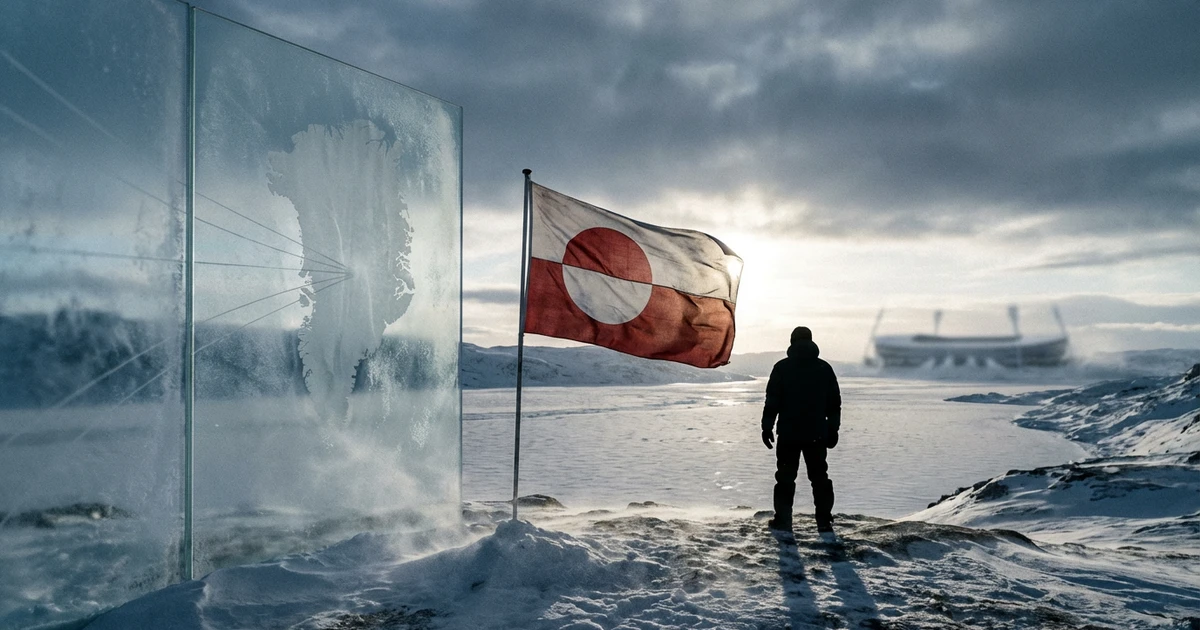
Donald Trump’s ambitions regarding Greenland have once again placed the world’s largest island into the international spotlight. But beyond geopolitical intrigue, one individual stands as the central figure shaping the future of Greenland: the woman who, according to recent reporting, stands between the former U.S. president and his aspirations for the island’s resources and strategic location.
The Geopolitical Significance of Greenland
Greenland, an autonomous territory within the Kingdom of Denmark, commands increased global attention due to its strategic position in the Arctic and its wealth of natural resources. With the melting of Arctic ice opening new shipping routes and resource opportunities, global powers—including the United States—have shown renewed interest in Greenland’s future. This context frames the ongoing international discussions over sovereignty, investment, and influence across the Arctic region.
Donald Trump’s Interest in Greenland
Former President Trump made headlines in 2019 with his widely publicized interest in purchasing Greenland from Denmark. The proposal was met with both international skepticism and local resistance. While Trump’s interest faded from the news cycle, the underlying questions about Greenland’s autonomy, resources, and global alliances have remained at the forefront of Arctic policy debates.
The Woman Leading Greenland’s Resistance
At the heart of Greenland’s stance is a woman whose leadership has become synonymous with the island’s push for self-determination. Her firm position represents not just personal resolve, but the collective will of the Greenlandic people to chart their own path. Her role involves balancing economic opportunities, environmental stewardship, and cultural preservation, all while navigating pressure from major powers such as the United States and Denmark.
- Advocacy for Self-Governance: The leader has been a vocal proponent of increasing Greenland’s autonomy, seeking to manage the island’s resources in a way that prioritizes local interests over external influence.
- Resource Management: As Greenland faces external offers of investment—often tied to resource extraction—the government under her leadership has emphasized environmental sustainability and community consultation.
- Cultural Identity: The ongoing dialogue about Greenland’s future is not just about economics or geopolitics; it is also deeply rooted in the preservation of Inuit culture and traditions.
International Implications and Ongoing Tensions
Greenland’s leadership is tasked with navigating an increasingly complex international environment. The U.S. continues to express interest in closer ties, while Denmark retains formal sovereignty. The leader’s ability to maintain Greenland’s autonomy has thus far stymied efforts by outside actors—including Donald Trump—to secure a significant foothold on the island.
Looking Ahead
As the world’s attention remains fixed on the Arctic, the outcome of this standoff will influence not only Greenland’s future, but also the broader balance of power in the region. The woman who stands between Donald Trump and Greenland’s resources embodies the island’s determination to assert its own destiny, making her a figure to watch in the shifting landscape of Arctic politics.
For further context and ongoing coverage, readers can follow updates from The New York Times and consult official sources such as the Government of Greenland.