World
The world doesn’t need a nuclear deal with Tehran
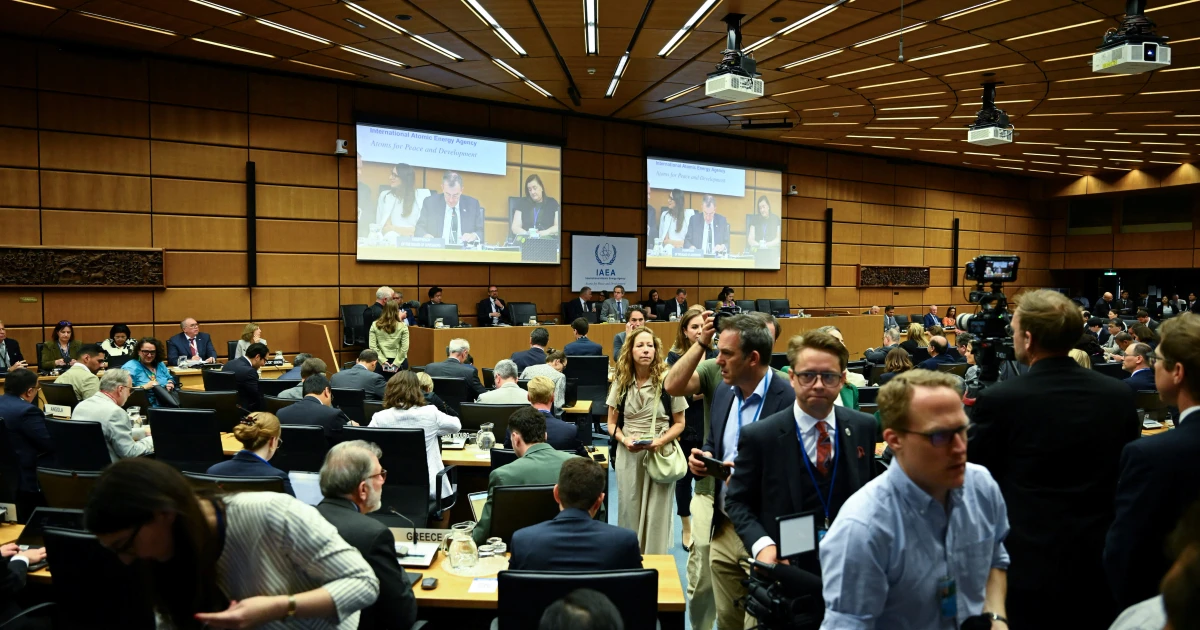
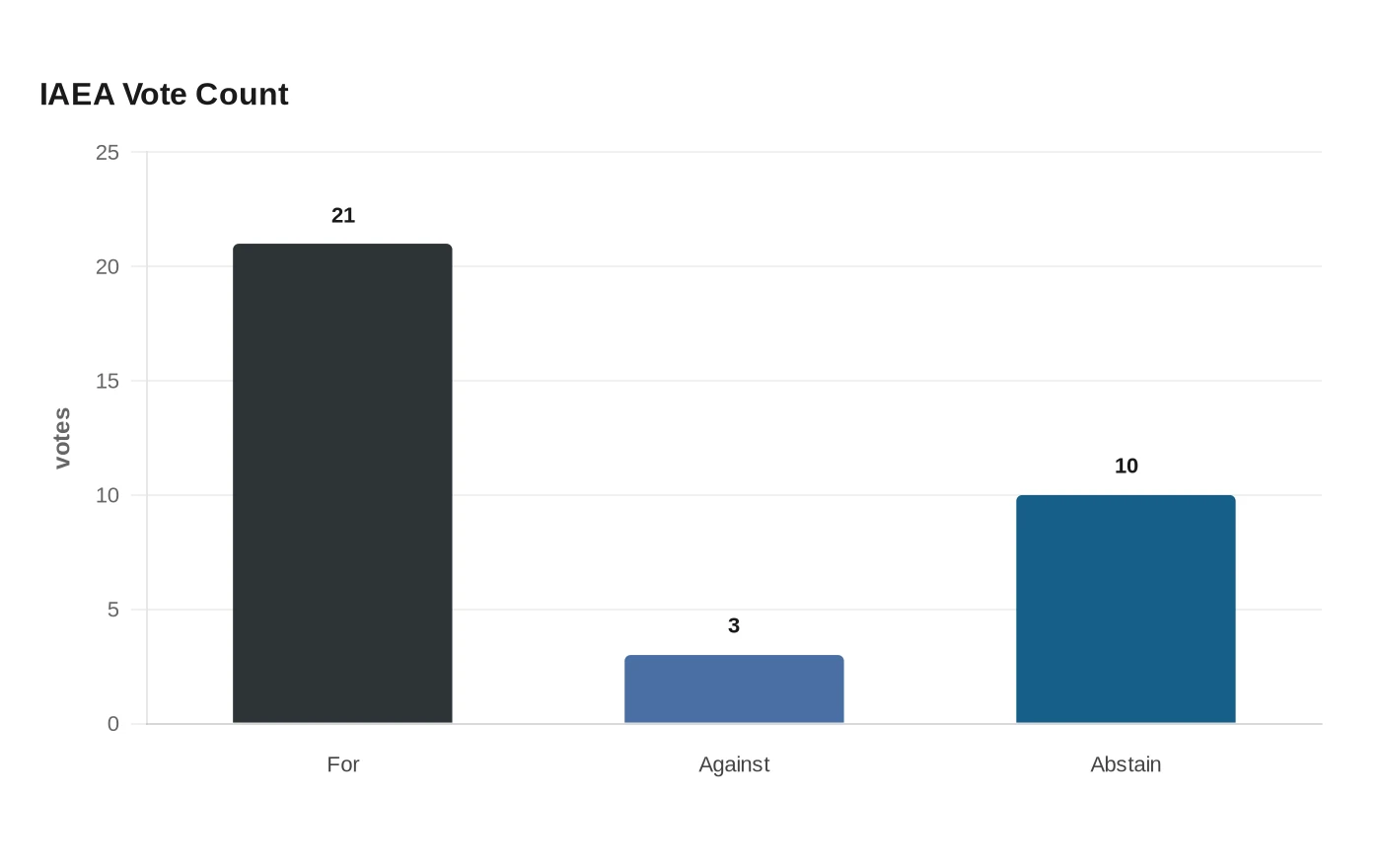
Iran’s nuclear file is now defined less by a deal than by an accounting failure. On June 10, the IAEA board told Tehran to declare its remaining enriched uranium and let inspectors verify it after nearly a year without access to stockpiles and bombed sites, in a vote that passed 21-3 with 10 abstentions. The agency said Iran still had not explained the fate of material at sites hit in the June 2025 strikes, including uranium thought to be close to weapons grade.
That is why supporters of diplomacy still argue for a deal, even an imperfect one. Secretary of State Marco Rubio said on May 25 that Washington had a “pretty solid thing on the table,” signaling a bargain built around limits and verification rather than elimination. But the last functioning model, the 2015 JCPOA, was far more restrictive: Iran agreed to cut its stockpile to 300 kilograms of 3.67 percent uranium for 15 years, limit enrichment to 5,060 first-generation centrifuges at Natanz, stop enrichment-related research at Fordow, and place excess centrifuges in IAEA-monitored storage.
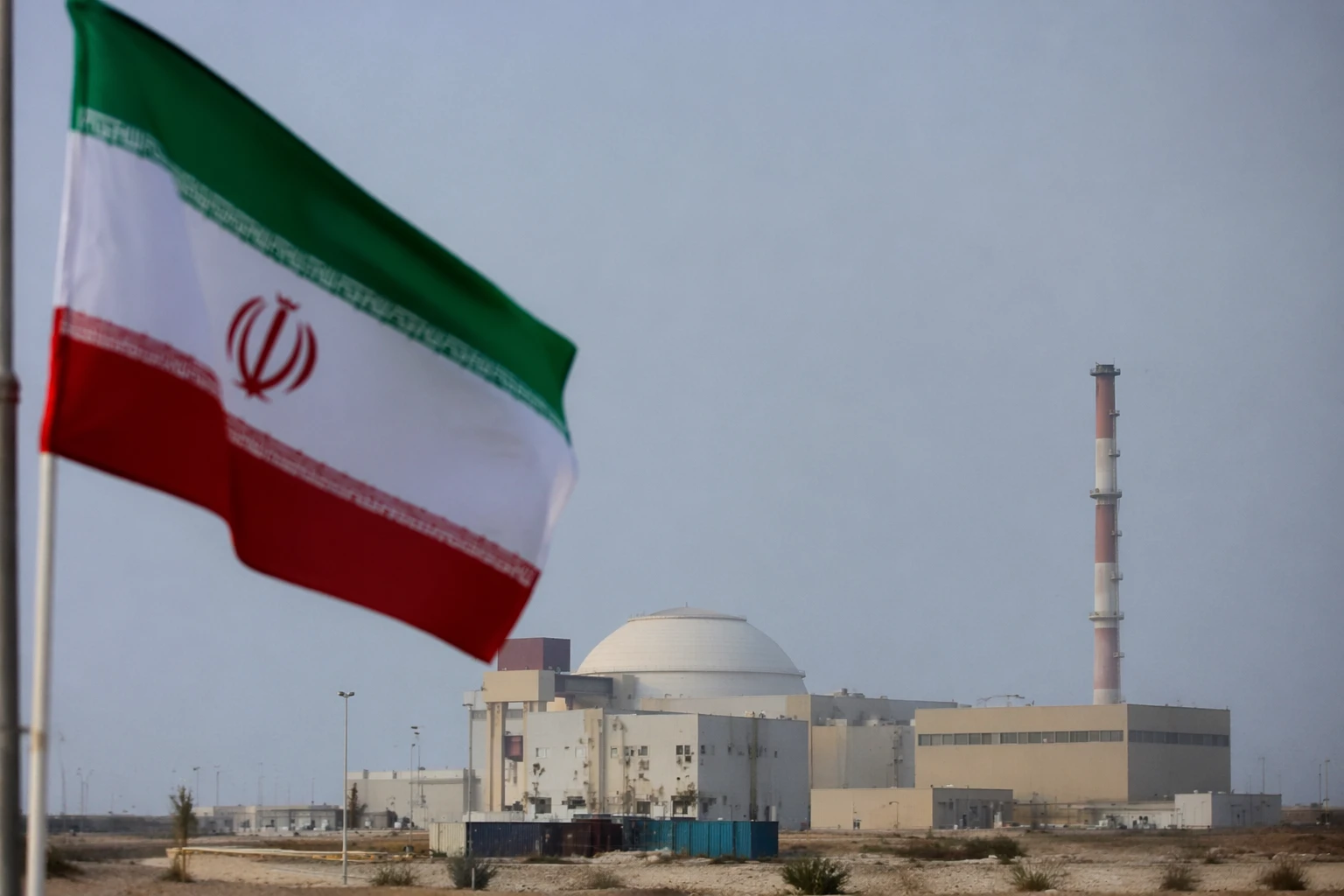
The gulf between that framework and today is larger than any single negotiation. The IAEA estimated Iran’s total enriched-uranium stockpile at 9,874.9 kilograms as of June 13, 2025, including 9,040.5 kilograms in UF6 form, and inspectors said they last verified more than 400 kilograms of uranium enriched to 60 percent only days before the strikes began. After the conflict, the agency stopped verification, withdrew its inspectors for safety reasons, and said resuming cooperation was key to any successful diplomatic agreement.
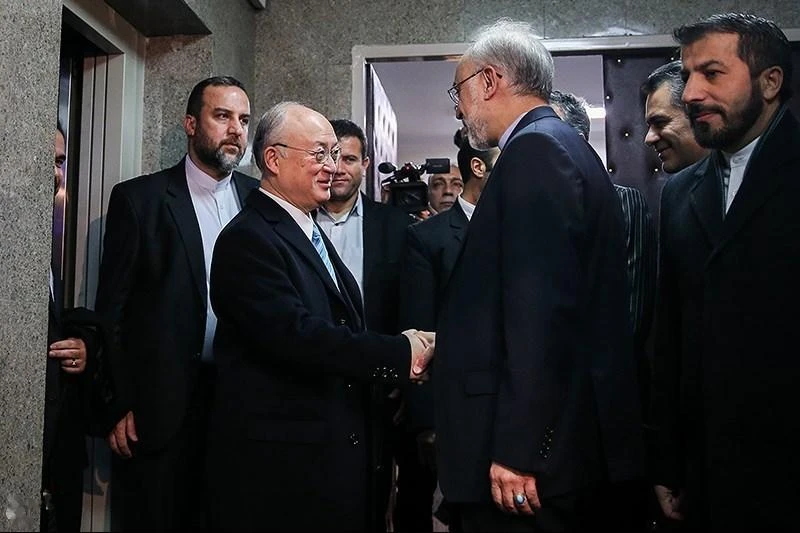
Critics of a fresh deal are right about the enforcement gap. The Board found in 2025 that Iran’s failures since 2019 to provide full and timely cooperation over undeclared nuclear material at multiple sites amounted to non-compliance with its safeguards obligations, and on July 2, 2025, Tehran suspended cooperation with the agency under domestic law. Any new accord would also sit atop restored UN sanctions, because snapback reimposed the old Security Council restrictions in September 2025, including demands that Iran suspend enrichment, heavy-water and reprocessing work.
That leaves the central trade-off exposed. The world does not need another paper promise from Tehran, but it does need a verifiable floor that keeps inspectors inside the system and keeps enriched uranium from disappearing into the dark. If diplomacy cannot restore accounting, access and consequences, it will not solve Iran’s nuclear problem. It will only postpone the next crisis.
Sources
- [1]nytimes.com