World
The youngest Holocaust survivors were born in the camps, 1945
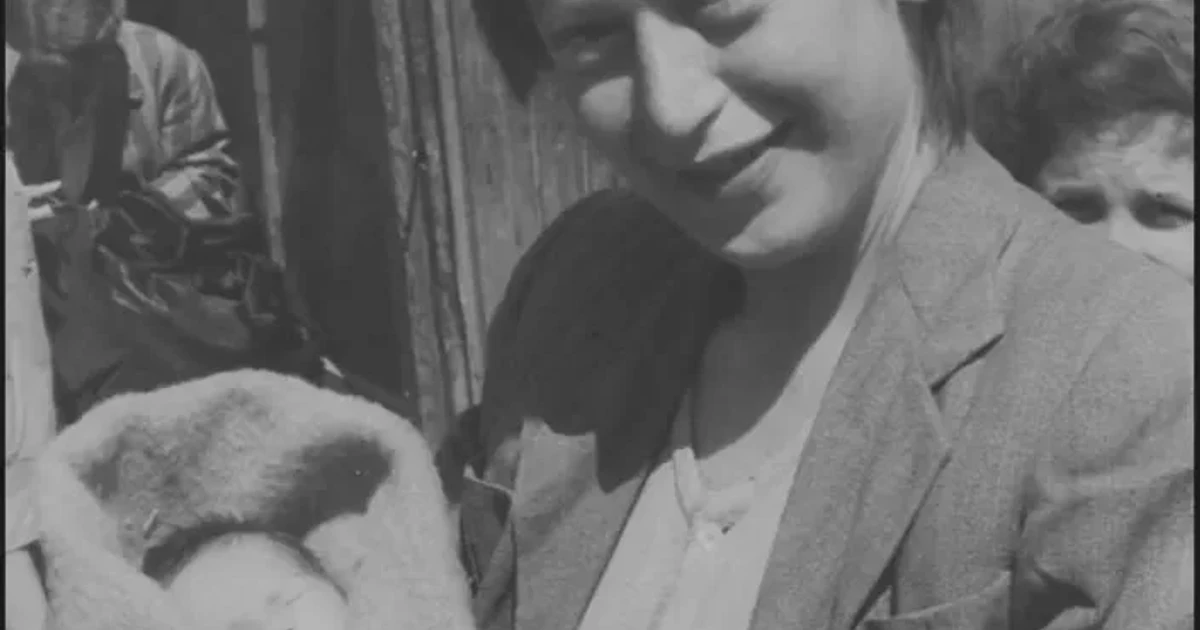
They were born in the final days of Nazi collapse, when pregnancy in the camps could be punished by death. Eva Clarke, Hana Berger-Moran and Mark Olsky entered the world in April 1945 after their mothers concealed newly discovered pregnancies, survived forced labor and gave birth as the machinery of extermination was still running.
Eva Clarke was born on April 29, 1945, one day after the last gassing at Mauthausen. Her mother, Anka Bergman of Czechoslovakia, went into labor on the Nazi death train arriving at the camp. Hana Berger-Moran was born on April 12, 1945, and Mark Olsky on April 20, 1945. Their other mothers, Priska, also from Czechoslovakia, and Rachel of Poland, had been deported to Auschwitz in 1944 while newly pregnant.
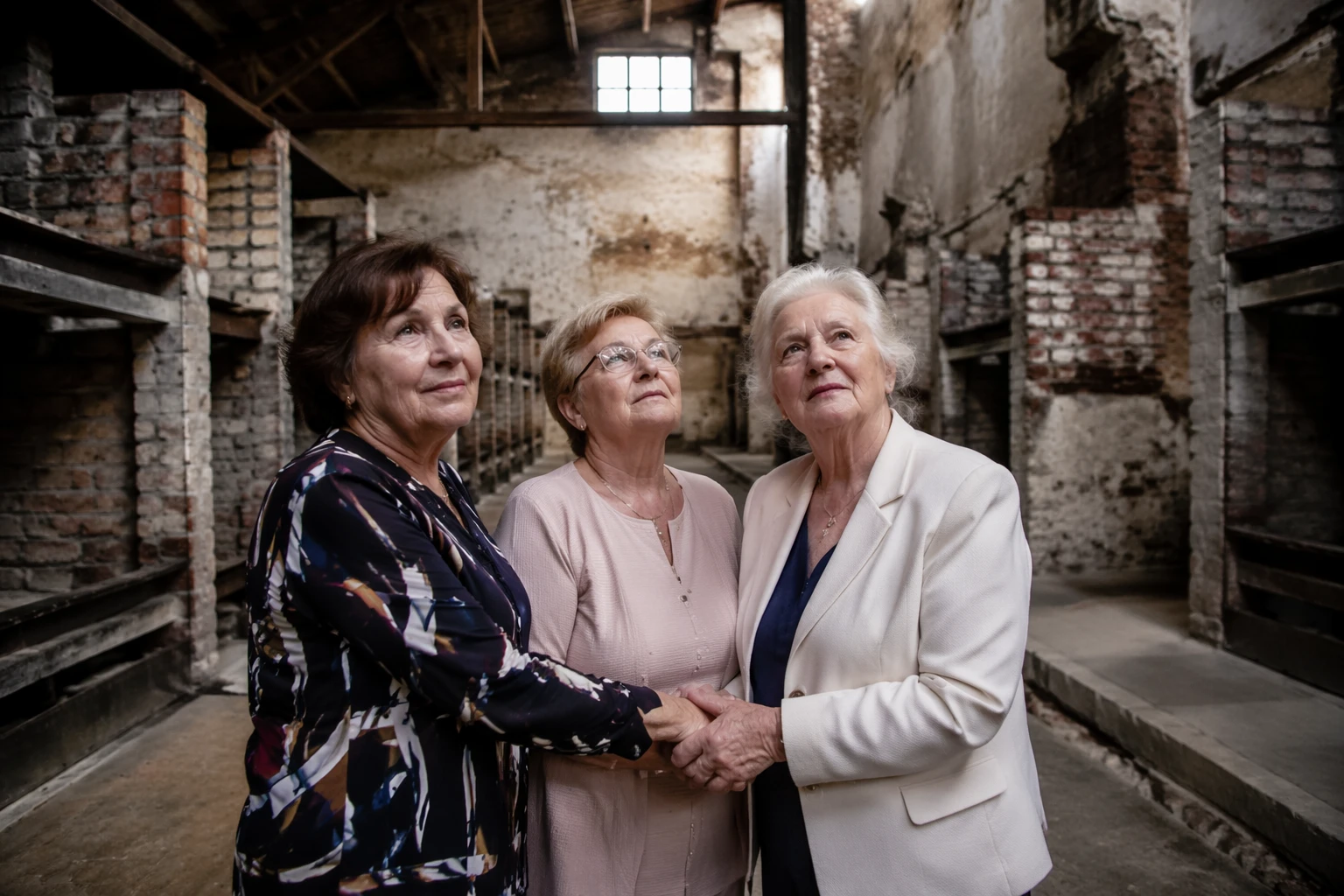
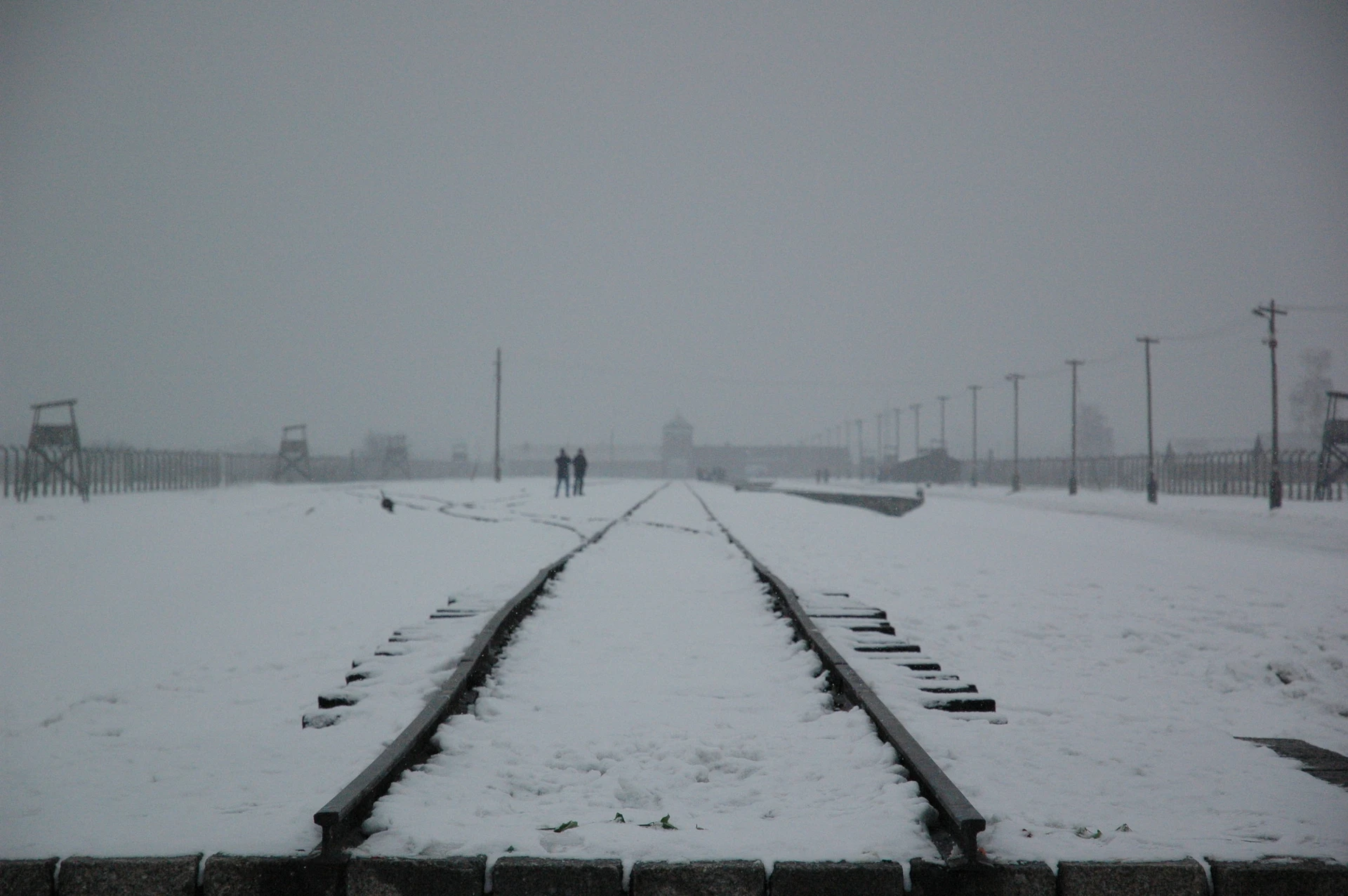
The details of their survival sharpen the scale of the danger they faced. Auschwitz was built to kill, and Mauthausen in Austria was another major node in the camp system that swallowed prisoners across occupied Europe. The Mauthausen Memorial says around 190,000 people were imprisoned there and at least 90,000 were murdered. The United States Holocaust Memorial Museum says at least 95,000 people were killed in the Mauthausen camp system, and that the last mass murder in the gas chamber occurred on April 28, 1945.
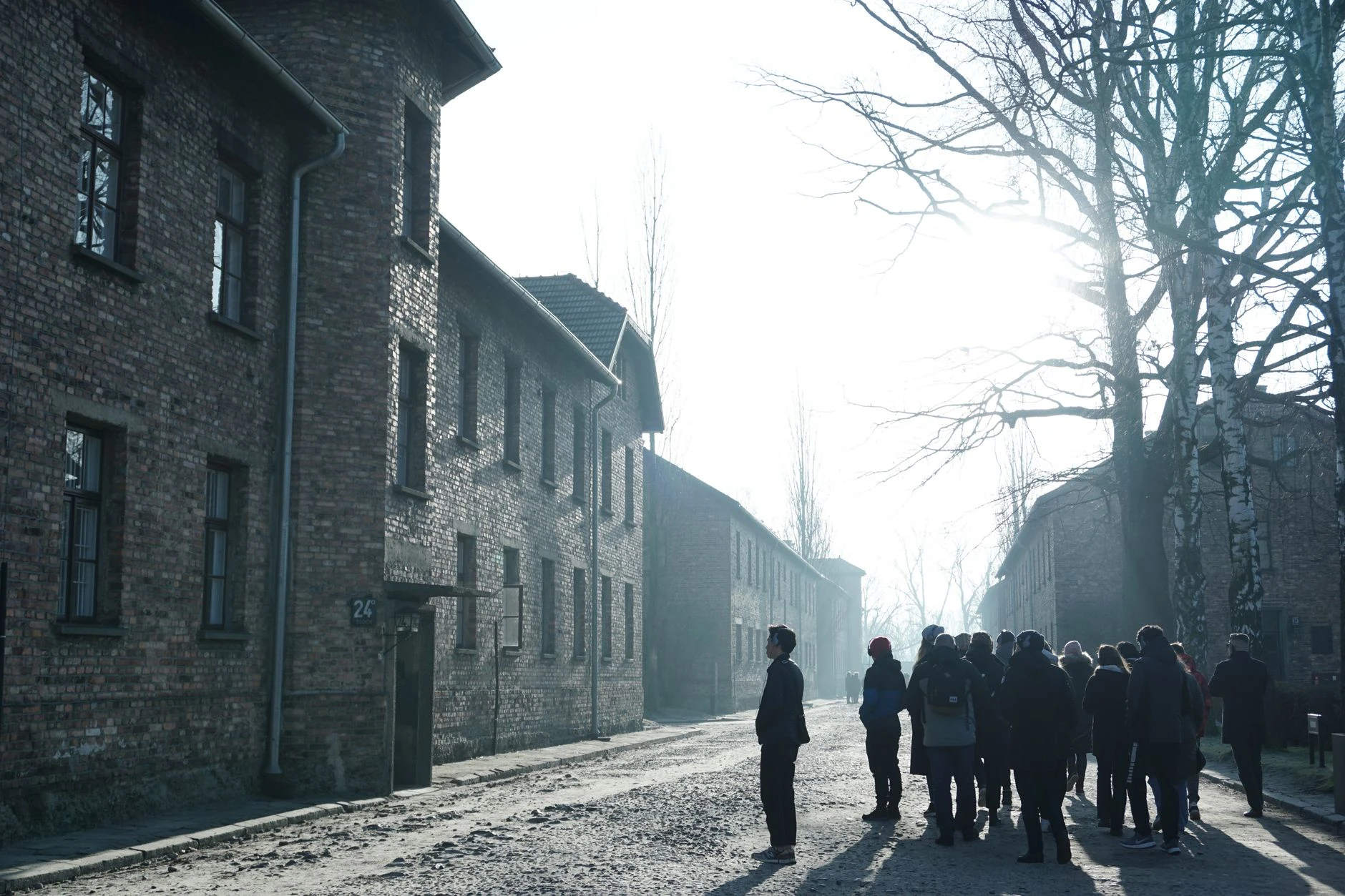
At Mauthausen, the end came in staggered steps. The last SS members fled on May 3, 1945, according to the Mauthausen Memorial, and the camp was abandoned to firefighters before the United States Army liberated around 40,000 prisoners at Mauthausen and Gusen on May 6. Clarke was born before that liberation, but after the final gassing, making her arrival a staggering measure of how close life came to being extinguished.
The three babies did not know one another existed until they met in 2010. Their story later reached a wider audience in Wendy Holden’s Born Survivors, but its force goes beyond biography. It is a reminder that Holocaust history does not stay sealed in the past. It survives in children born under sentence of death, in family memory, and in the fragments that must now carry witness as the generation of survivors grows smaller.