Health
Thousands Exposed to Tuberculosis at Sheba Medical Center
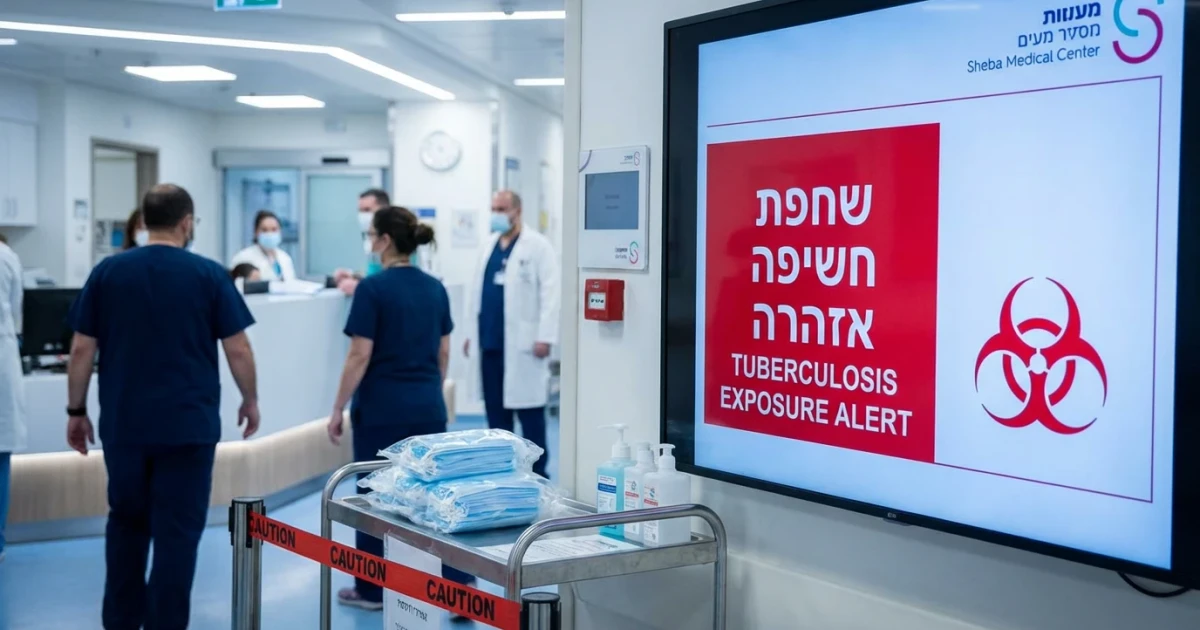
Israel’s Health Ministry has announced that more than 2,600 individuals were exposed to tuberculosis (TB) at Sheba Medical Center, one of the country’s largest hospitals. The incident has raised concerns about infection control and triggered a swift public health response to identify and monitor those at risk.
Exposure Details and Official Response
The Health Ministry disclosed that the exposure occurred within Sheba Medical Center’s facilities, affecting patients, staff, and visitors. While the specific circumstances of the exposure have not been publicly detailed, the Ministry is working to contact all affected individuals and offer guidance on screening and treatment.
According to the Ministry of Health’s official records, tuberculosis is a notifiable disease in Israel, with strict protocols in place for outbreak management, contact tracing, and patient care. In this case, those potentially exposed will be notified and offered testing for TB infection, which may include chest X-rays and skin or blood tests. Individuals found to be infected will receive follow-up care and, if necessary, preventive treatment.
Understanding Tuberculosis
Tuberculosis is an infectious disease caused by the Mycobacterium tuberculosis bacterium. It primarily affects the lungs but can impact other parts of the body. TB is spread through the air when a person with active TB disease of the lungs coughs, speaks, or sings, releasing microscopic droplets containing the bacteria.
While most people exposed to TB do not become sick, they can develop latent TB infection, which may progress to active disease, especially if untreated. Israel’s Health Ministry provides detailed information on symptoms, prevention, and treatment for TB and emphasizes the importance of early detection in preventing spread.
Tuberculosis in Israel: Current Statistics
- According to the World Health Organization Global Health Observatory, Israel reports relatively low TB incidence compared to global averages, thanks to robust surveillance and public health programs.
- Most TB cases in Israel occur among at-risk populations, including immigrants from countries with high TB prevalence, immunocompromised patients, and certain healthcare settings.
- The Ministry of Health’s annual reports indicate ongoing efforts to reduce TB transmission through targeted screening, vaccination, and rapid response to potential outbreaks.
The Global Tuberculosis Report 2023 confirms that while Israel’s TB rates are low, healthcare-associated exposures remain a concern, highlighting the importance of infection control in hospitals.
Public Health Measures and Next Steps
Following the exposure at Sheba Medical Center, the Health Ministry has implemented several measures:
- Immediate notification of all potentially exposed individuals.
- Free screening and counseling at designated clinics.
- Ongoing epidemiological investigation to determine the source and scope of the exposure.
The Ministry continues to urge anyone contacted or who was present at the affected areas during the specified period to follow official advice and undergo testing if recommended.
Analysis: Infection Control in Healthcare Settings
This incident underscores the challenges of preventing infectious disease transmission in hospitals, even those with advanced infection control protocols. According to recent research published by Sheba Medical Center, rapid identification of exposures and thorough contact tracing are essential to interrupting potential chains of transmission.
As Israel’s health authorities respond, the case serves as a reminder of the ongoing need for vigilance, staff training, and robust patient safety measures in all medical facilities.
Conclusion
While the exposure of over 2,600 people to tuberculosis at Sheba Medical Center is a serious public health event, Israel’s established protocols and prompt action are expected to minimize the risk of further transmission. The Health Ministry’s ongoing investigation and public communication will be key to ensuring the safety of patients and the broader community. For more information, readers can consult the Ministry of Health’s tuberculosis resources and the WHO’s TB statistics.