World
Thousands of migrants flee South Africa before anti-immigrant deadline
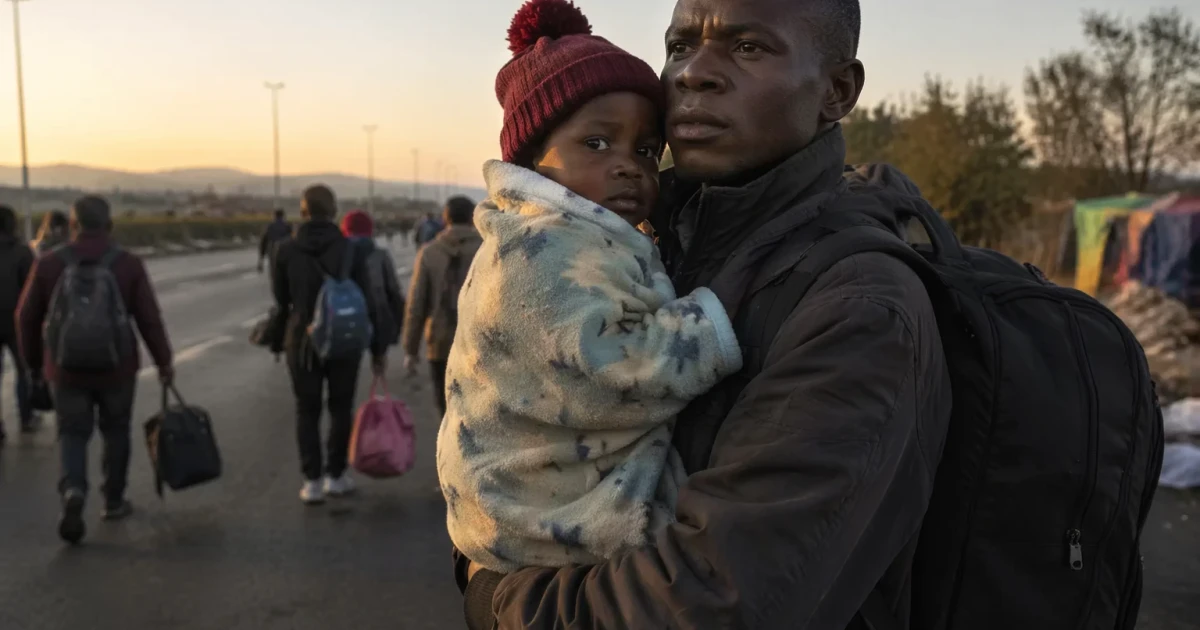
John Allen packed a few clothes, kissed his South African girlfriend and their one-year-old son goodbye, and headed for a bus out of Durban as anti-migrant pressure pushed thousands toward an unofficial June 30 deadline. The Malawian father wanted to stay for his child, but the threat of violence made the decision feel impossible: “There’s two options: I can lose my life or I can leave,” he said.
Allen was among thousands of foreign workers and families gathered in and around a makeshift camp in Durban, where women, babies and men sat on cardboard and blankets while aid groups handed out food and clothing. Many of the people waiting there were not undocumented, and some had been attacked or had their property destroyed even when their legal status was not the issue. The exodus has stretched beyond one city, with hundreds of Zimbabweans sleeping on the pavement outside their consulate in Cape Town as migrants tried to get out before the deadline.
The pressure came from March and March, an anti-immigrant movement led by former Vuma FM presenter Jacinta Ngobese-Zuma. The group organized marches and told undocumented foreigners to leave, even as the South African government said the deadline was not legitimate and condemned the violence. Anti-migrant groups insisted the campaign was peaceful, but migrants and rights groups feared the rallies could turn violent.
South Africa’s Department of Home Affairs set up a tent to process people for deportation, and officials focused on moving migrants from Durban to a border post in Musina ahead of the protests. More than 3,000 Malawians, including hundreds of children, were staying in an open field, and more than 7,000 Malawians were displaced or awaiting repatriation. Malawi said on June 3 that it would join other countries in repatriating nationals seeking to leave South Africa after attacks on African migrants were reported, and later said the repatriation effort was for citizens who requested assistance.
AFP fact-checkers identified a graphic that circulated with South Africa’s coat of arms and Department of Home Affairs contact details as fake and generated by AI.
Sources
- [1]straitstimes.com
- [2]msn.com
- [3]dailymaverick.co.za
- [4]factcheck.afp.com
- [5]cnbcafrica.com
- [6]reutersconnect.com
- [7]usnews.com
- [8]aljazeera.com