World
Thousands protest Pakistan petroleum levy amid rising living costs
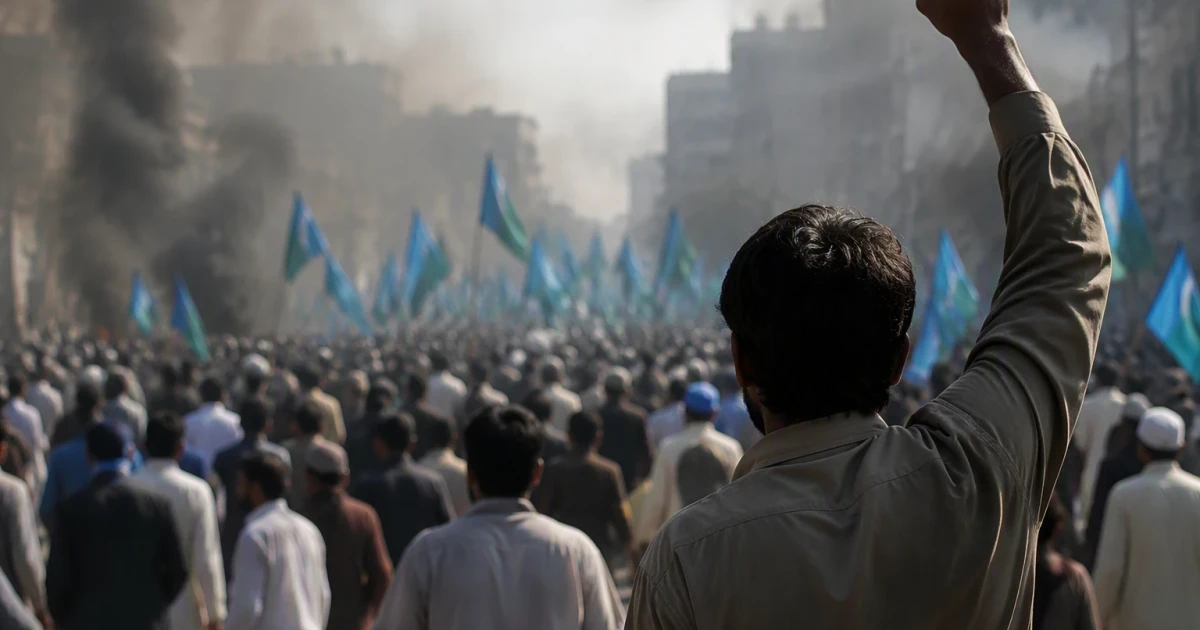
Thousands of people rallied across Pakistan against a petroleum levy on August 8, turning fuel prices into a direct test of how much economic pain households will tolerate. The demonstrations reflected anger over inflation and wider strain on transport fares, food distribution and small businesses, where even small changes in fuel taxes quickly show up in daily bills.
Jamaat-e-Islami pushed that anger into an organized street campaign. Hafiz Naeemur Rehman had announced nationwide protests against inflation and the petroleum levy in July, and The Express Tribune later said the party’s protests were being held at more than 500 locations across the country. The group also planned sit-ins outside Chief Minister Houses and Governor Houses in Lahore, Karachi, Peshawar and Quetta, making the levy a central issue in its anti-government messaging.
The protests also spread through major transport corridors. In Rawalpindi, JI-led protesters blocked the Karakoram Highway at multiple locations, while party leaders tied Karachi’s unrest to poor governance and a political system they said had failed ordinary residents. Rehman also dismissed exchanges between Punjab Chief Minister Maryam Nawaz and PPP chairman Bilawal Bhutto-Zardari as "political theatre" and pressed ahead with the August 7 protest plan before some of the sit-ins were later postponed to August 16 because of Independence Day celebrations.
The levy fight landed in a broader climate of fuel-price anger. Petrol pump owners announced a nationwide strike after talks with the government over daily pricing failed, and the government cut petrol prices by Rs2.20 per litre and high-speed diesel by Rs1.50 per litre on August 5. Separate July 2026 data showed taxes and levies on petrol and high-speed diesel generated Rs166.4 billion in a single month, while a May report put petroleum levy collections at Rs2.72 trillion over two years.
That fiscal dependence helps explain why the issue keeps resurfacing in Pakistan’s politics. The International Monetary Fund has set a Rs17.1 trillion federal revenue target for 2026-27, leaving Islamabad under pressure to raise money even as households absorb higher commuting costs, pricier goods and tighter margins for small traders. The August 8 rallies showed how quickly a petroleum levy can become a broader protest against austerity, and how closely fuel policy is now tied to political tolerance for economic hardship.
Sources
- [1]reuters.com
- [2]tribune.com.pk
- [3]dawn.com
- [4]sg.news.yahoo.com
- [5]nation.com.pk
- [6]macropakistani.substack.com