Sports
Thousands watch the forest Olympics with world-class passion
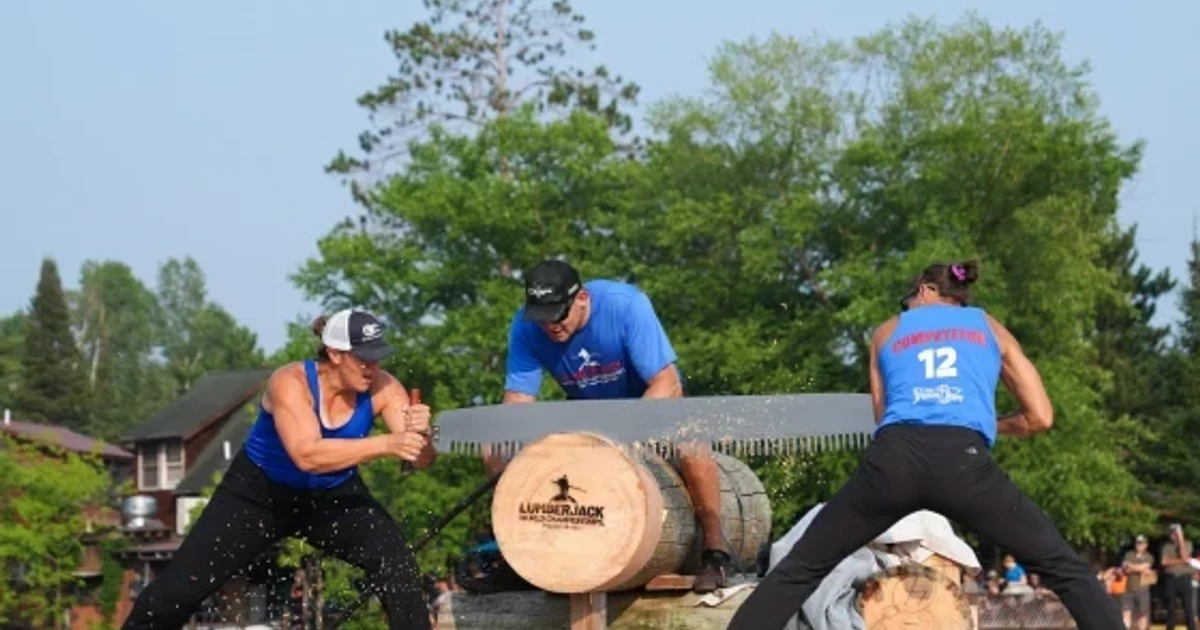
Three new women’s world records fell at the 66th annual Lumberjack World Championships in Hayward, Wisconsin, where nearly 8,000 spectators filled the Lumberjack Bowl over three days. More than 100 elite competitors came from nine countries and 16 states, turning the logging town’s signature event into a crowded test of sawing, chopping, speed climbing and log rolling.
The field included 66 men and 40 women in the competition that ended Saturday, with Kate Witkowski and Erin Lavoie among the standout athletes in the Jill and Jill event. The meet’s noise and pace matched the sport’s nickname as the Olympics of the forest, with cheers of “Yo-Ho!” echoing around the bowl as competitors worked through events rooted in timber cutting and river-running skills.
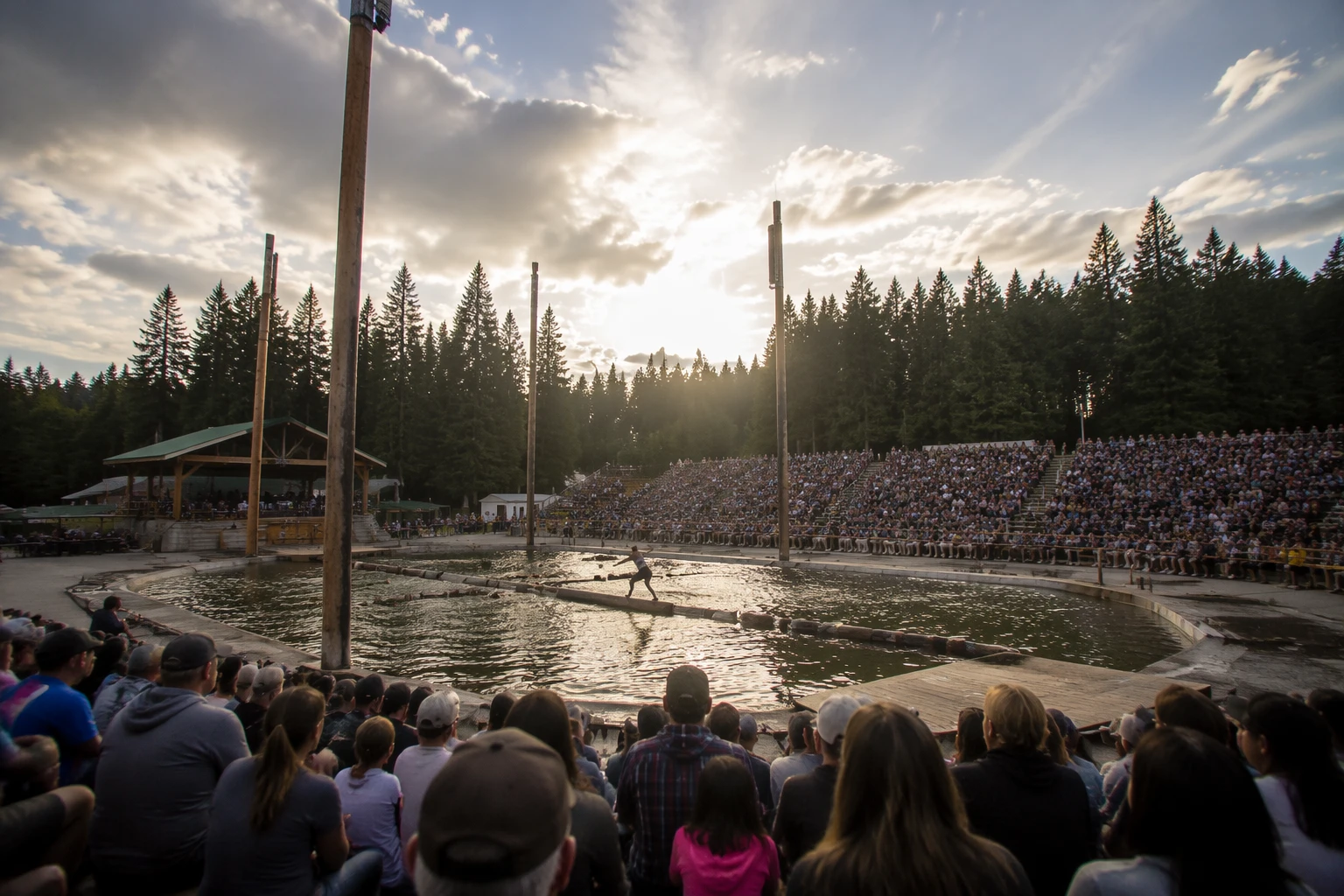
Hayward’s attachment to the championships runs deeper than the weekend’s records. The town was built by the logging industry, and Tony Wise founded the first Lumberjack World Championships in 1960 to showcase the skills that once defined the region’s economy. The first event was held at Historyland, a historical theme park on the shores of Lake Hayward, before the championships eventually moved to the Lumberjack Bowl, where the competition still plays out within sight of the lake.

That setting matters because the event does more than crown winners. It keeps a regional labor tradition visible in public, linking the modern sport to the work of felling trees, moving logs and mastering the balance and strength that forestry demanded. The presence of athletes from across the United States and from abroad gave the meet an international reach, but its setting in Hayward kept it firmly tied to the Northwoods identity that produced it.
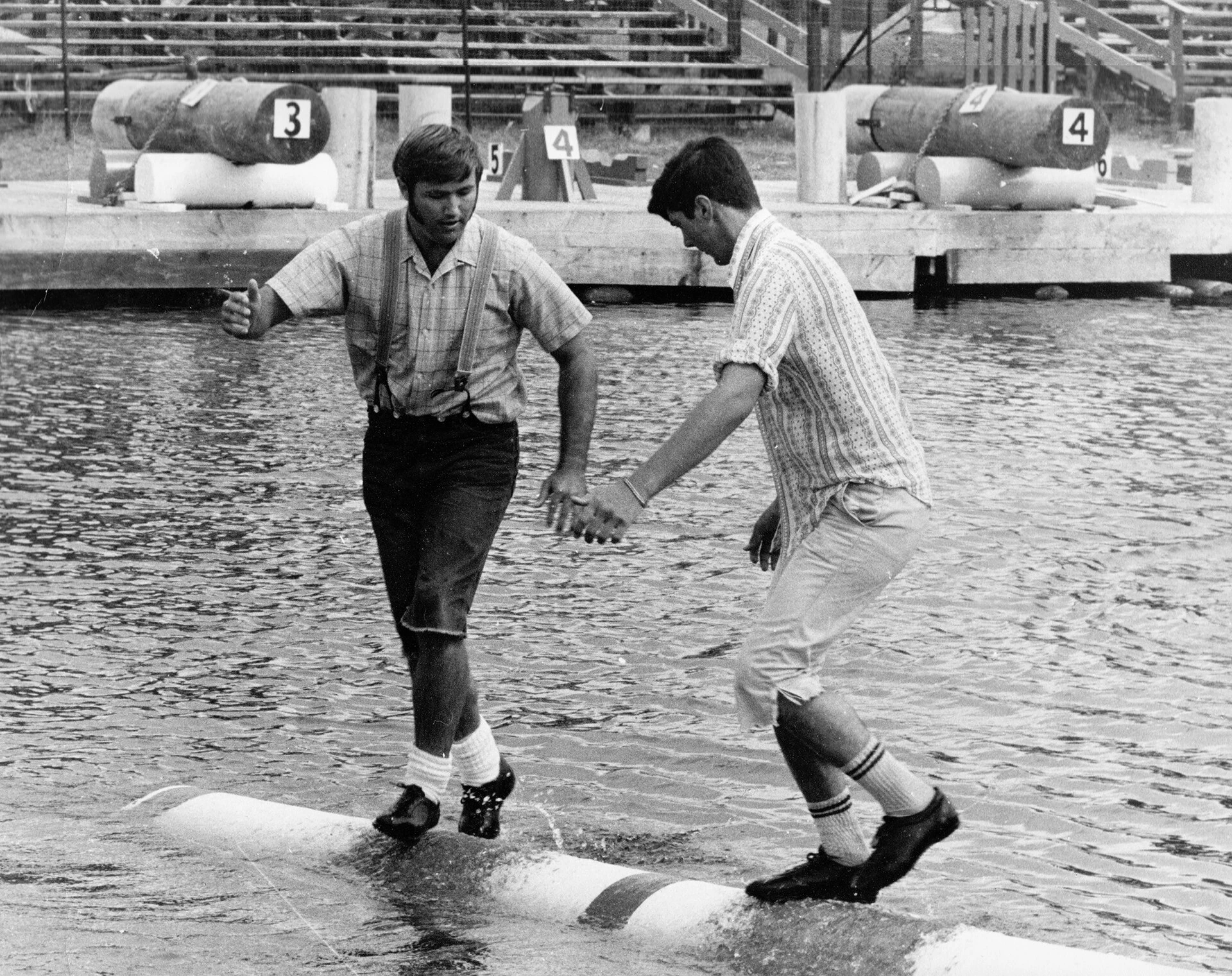
The women’s records added another layer to the championships’ staying power. The meet now draws enough competitors and spectators to feel like a major summer festival, yet it still centers the same physical disciplines and the same local landscape that gave the sport its name. In a town shaped by timber, the championships remain both a contest and a public reminder of the industry that built it.
Sources
- [1]cbsnews.com