Politics
Threats against federal judges surge, prompting expanded Supreme Court security
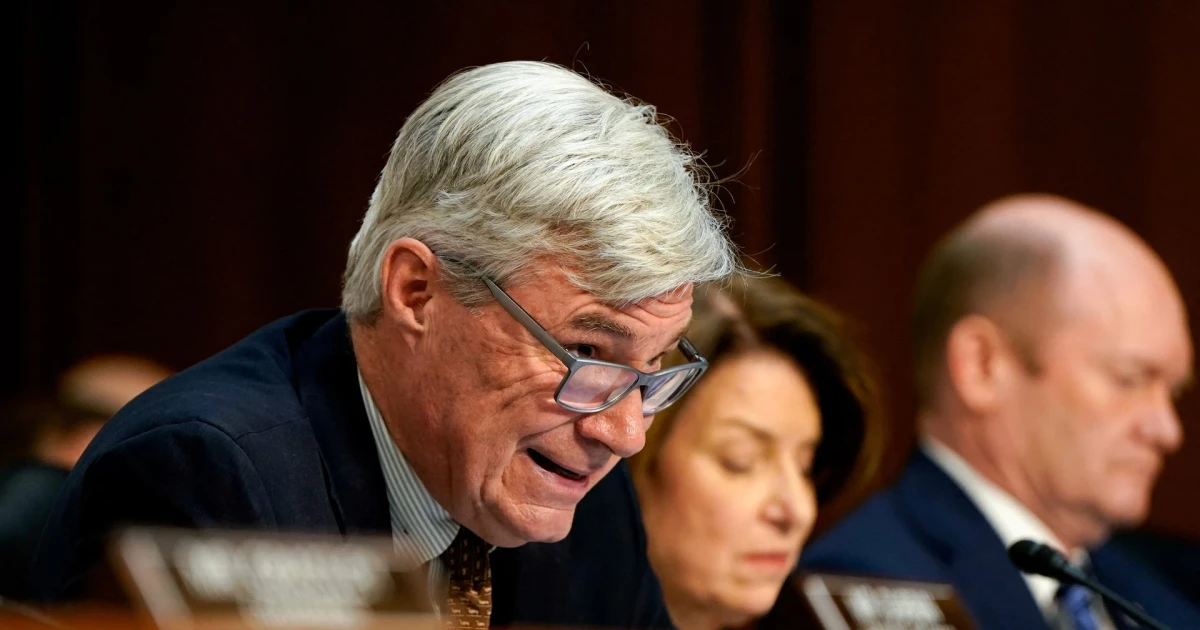
Threats against federal judges reached 370 in fiscal 2026 through July 1, with 266 different judges named, while the Supreme Court hardened its own security posture. The U.S. Marshals Service said the count followed 564 threats in fiscal 2025, 509 in fiscal 2024, 630 in fiscal 2023 and 403 in fiscal 2022. With about 2,600 active judges in the federal system, the pressure has spread far beyond a handful of high-profile cases.
The rise has pushed the issue from courthouse corridors into the political arena. On April 14, 2025, Sheldon Whitehouse and the other Senate Judiciary Committee Democrats sent a letter warning the Marshals Service about the elevated threat environment facing federal judges, Supreme Court justices and their families. The senators said the climate had become serious enough to prompt creation of a Judicial Security and Independence Task Force, a sign that threats to judges are now being treated as a direct test of the court system’s independence.
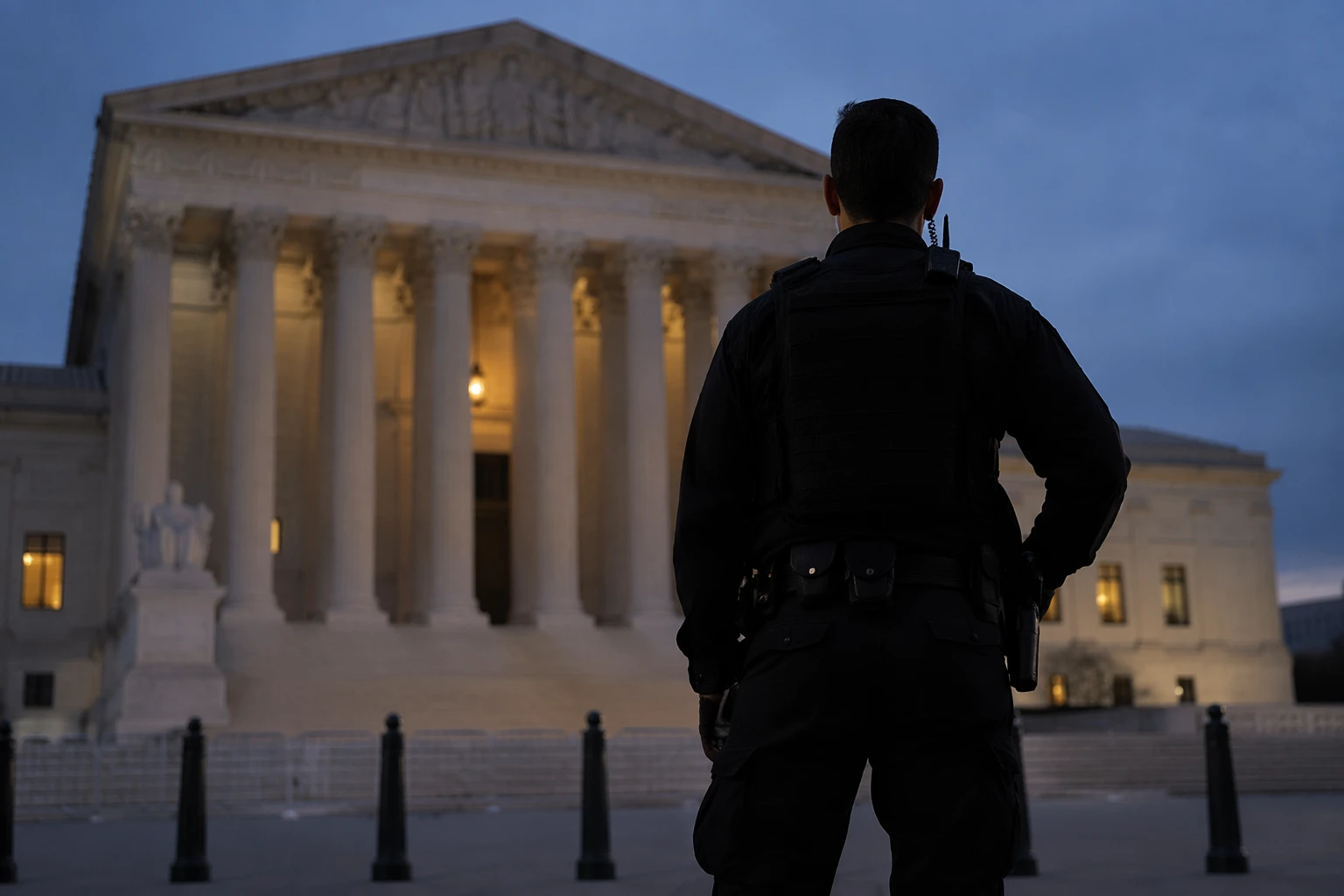
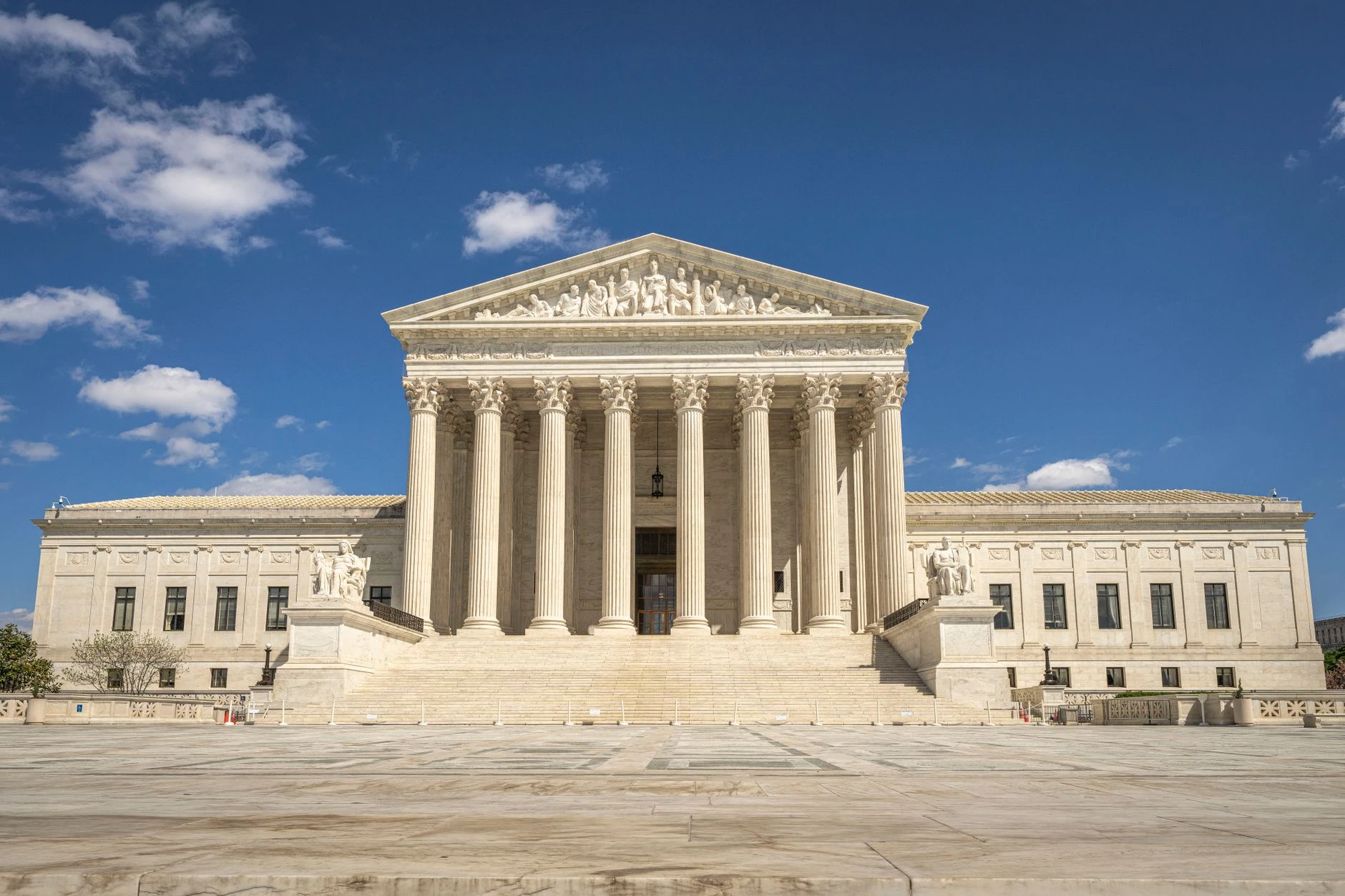
Security changes have also taken shape inside the Supreme Court itself. The court’s website now carries Chief Justice John Roberts’s year-end reports for 2024 and 2025, part of the paper trail surrounding the justices’ response to the rising threat environment. The court has expanded its protective force and added specialized units, including a Protective Intelligence Unit, a K-9 unit and an NBC team, with the force growing far beyond its earlier size of fewer than 200 officers.
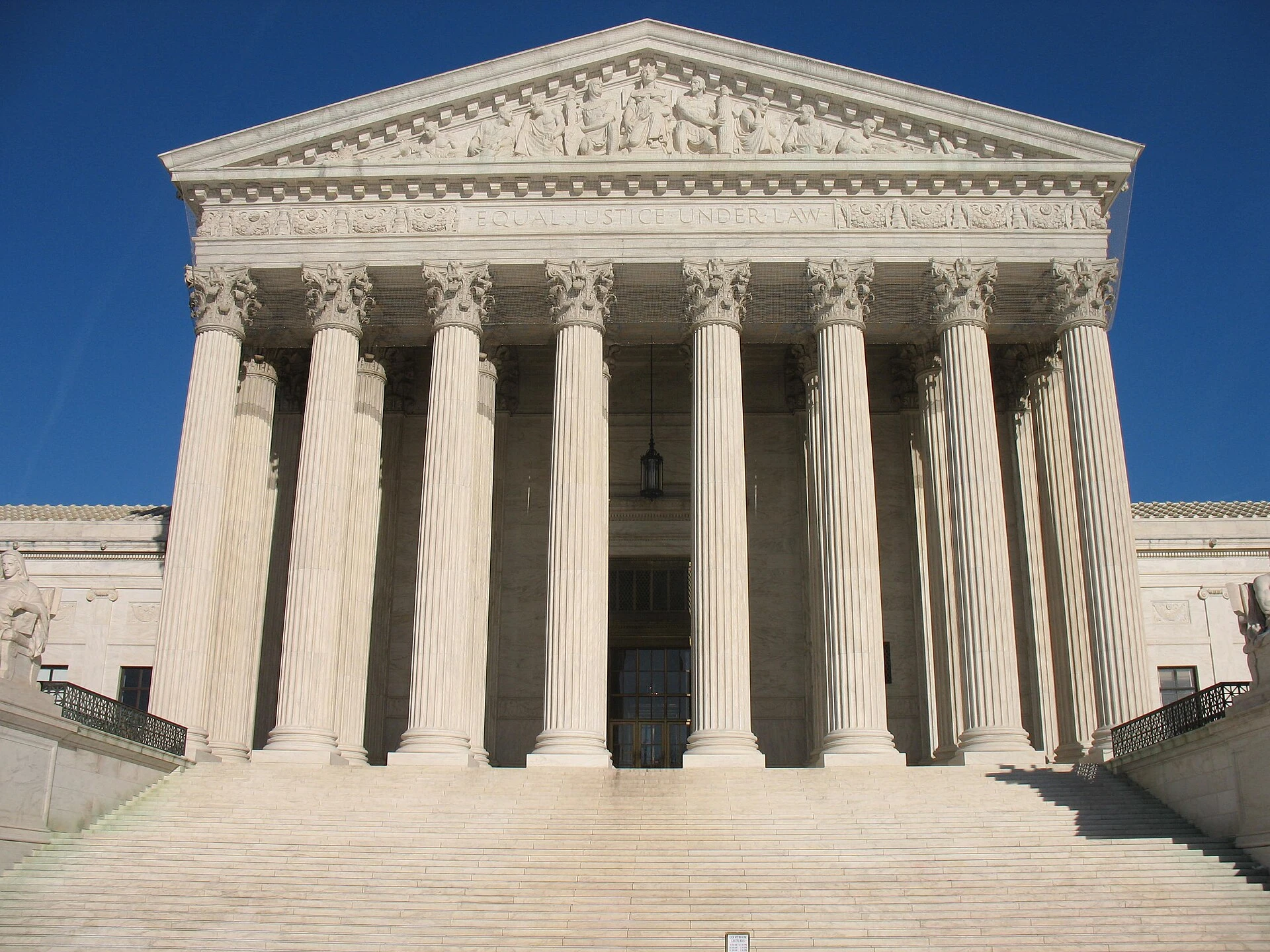
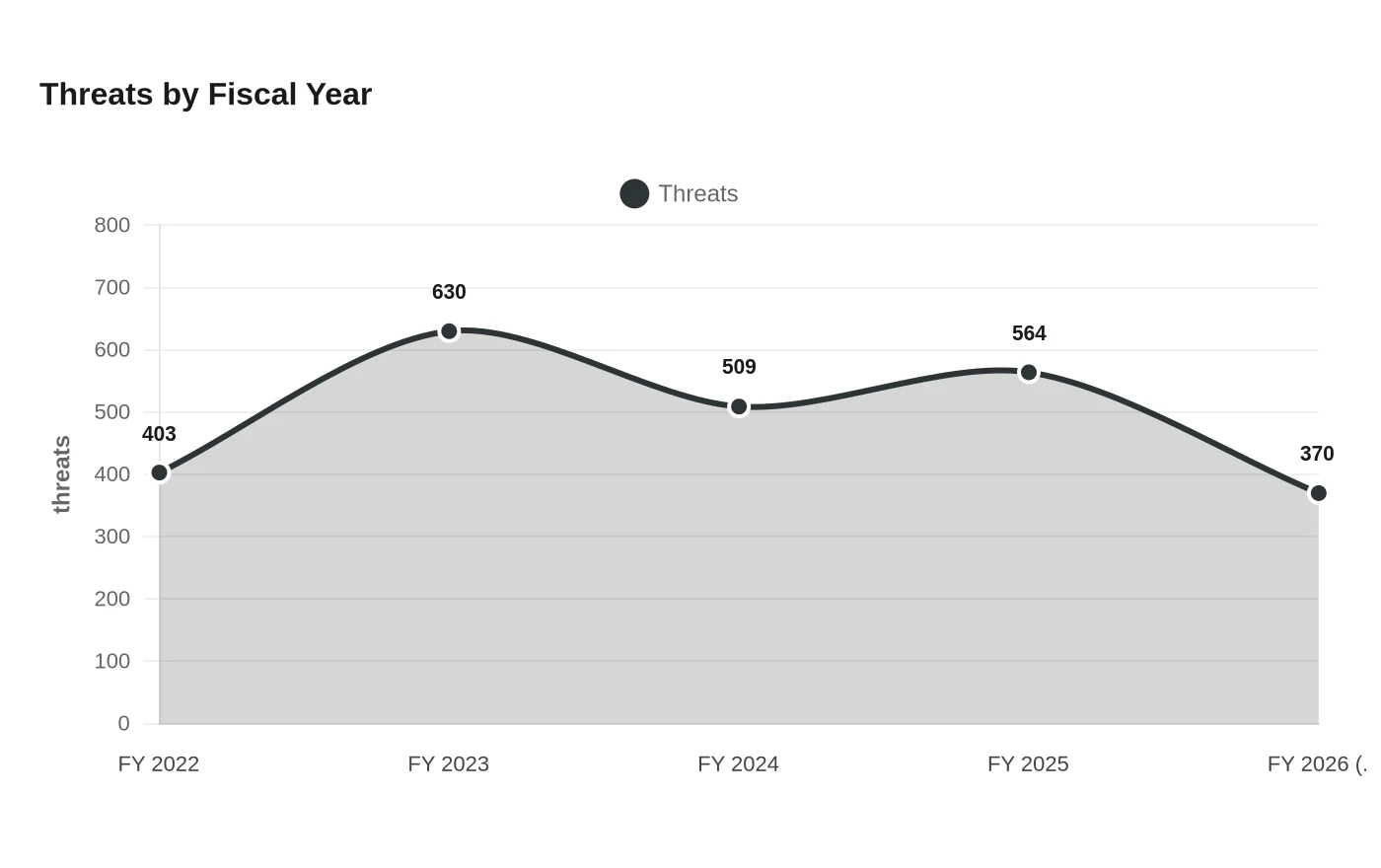
That buildup reflects a deeper institutional strain. When 266 judges are named in threats over the first nine months of a fiscal year, the problem is no longer only about physical protection at the courthouse steps. It becomes a question of whether judges can do their work without fear following them home, and whether the institutions tasked with protecting the judiciary can stay ahead of the anger now aimed at it.
Sources
- [1]nytimes.com
- [2]usmarshals.gov
- [3]judiciary.senate.gov
- [4]supremecourt.gov
- [5]politico.com