Politics
Three generations of women reflect on the unfinished Equal Rights Amendment
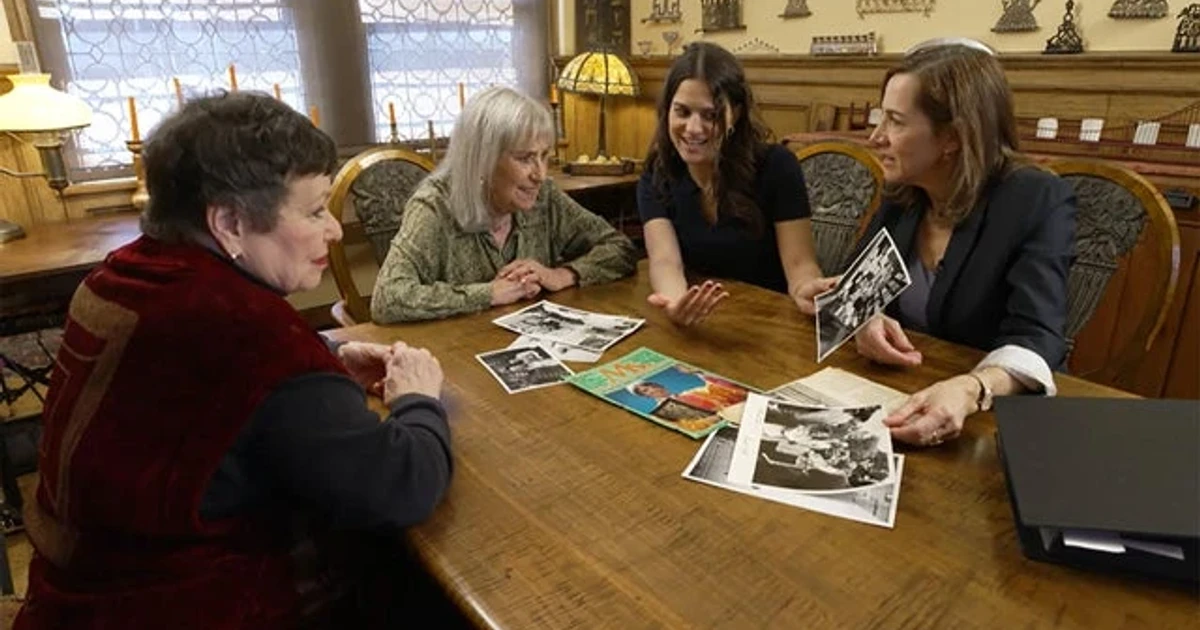
The Equal Rights Amendment sits in a strange place in American life: old enough to have outlasted generations, unfinished enough to still define the debate over gender equality. In one family, Letty Cottin Pogrebin, her daughter Robin Pogrebin, and granddaughter Maya Klaris trace how feminism has moved from the fight for legal equality into disputes over workplace power, bodily autonomy, and representation.
The amendment that still has not closed the book
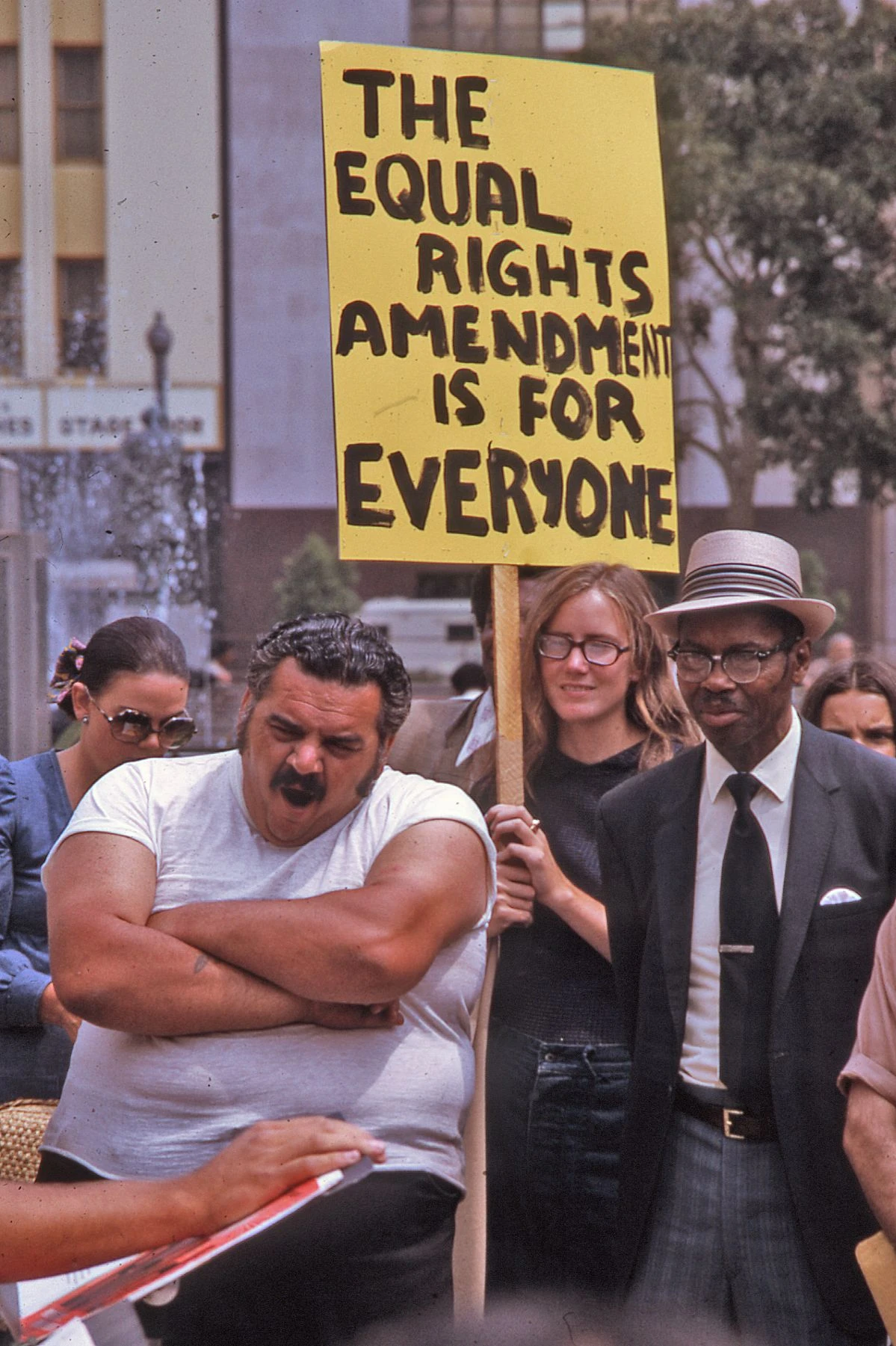
The ERA was first proposed in Congress in 1923 by suffragist Alice Paul, then approved by Congress in 1972 after nearly 50 years of pressure. Even now, the National Archives says it cannot currently be certified as part of the Constitution, because the ratification deadline remains legally contested. The U.S. Department of Justice’s Office of Legal Counsel said in 2020 and again in 2022 that the deadline is valid and enforceable, a position that keeps the amendment in procedural limbo.
Congress tried to break that deadlock in February 2020, when it passed H.J.Res.79 to eliminate the ratification deadline. The measure underscored how the amendment remains unfinished in law even as it continues to serve as a political and cultural symbol. More than a century after Alice Paul introduced the idea, the ERA is still one of the clearest examples of how a constitutional promise can remain open long after the movement that demanded it changed shape.
A feminist lineage built in public
Letty Cottin Pogrebin comes to the ERA story with the authority of a founder, not just a witness. Ms. magazine identifies her as a founding editor, writer, lecturer, social justice activist, and author of 12 books. Ms., launched in 1972 by Gloria Steinem, Patricia Carbine, and others, became the first nationally circulated women’s magazine to bring feminism into the mainstream, giving the movement a public voice that was broad enough for newsstands and sharp enough for politics.
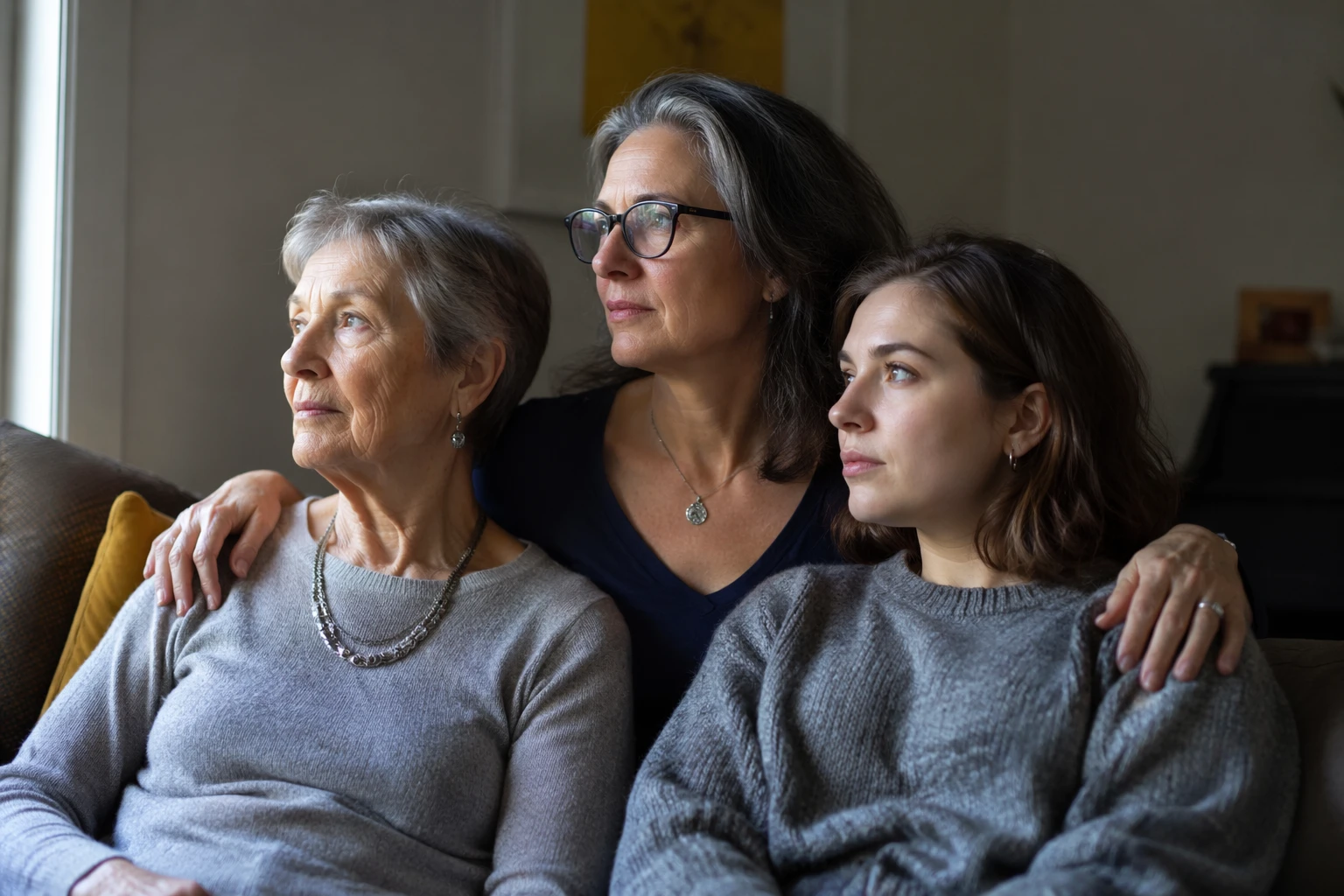
That history matters because it explains why the ERA is not an abstract legal question for Pogrebin. She has spent decades in a movement that had to translate principle into institutions, and the amendment’s stalled status still reads as a failure to finish what was already won in Congress. Her view is blunt and uncomplicated: the ERA was, in her words, “justice and common sense and fairness.”
Where the generations agree, and where they do not
The family conversation reveals a basic agreement across age: equal rights should not need endless reinvention to be recognized as equal rights. Letty Cottin Pogrebin speaks from the 1970s generation that treated the ERA as foundational, a necessary constitutional guarantee that should have been obvious. Robin Pogrebin, her daughter and a journalist at The New York Times, represents the bridge generation, shaped by a feminist movement that changed the rules but did not end the fight.
Maya Klaris, described as 27 and working in finance, shows how much the terrain has shifted. She said the ERA was not something she had ever really thought about, a reaction that captures both the success and the limits of the older movement. The law may have advanced far enough that younger women can take formal equality for granted, but that very distance can also blur how much remains unsettled when power, pay, and representation still lag behind.
That tension is the heart of the story. For Letty, the central question is why a constitutional amendment based on equality was never fully finished. For Maya, the larger feminist struggles are not just about the amendment itself but about whether women’s rights are protected in workplaces, institutions, and public life where formal guarantees do not always translate into lived fairness. Robin stands between those perspectives, close enough to the movement’s history to understand its urgency, and close enough to today’s institutions to see how uneven the gains remain.
What unfinished business looks like now
The ERA’s unresolved status mirrors a broader shift in feminism’s agenda. Earlier generations fought to establish legal equality in the first place. Today, the battles are more often about who holds power inside workplaces, who can make decisions over their own bodies, and who gets visible representation in politics, media, and finance. The constitutional fight has not disappeared; it has simply been joined by newer arenas where equality can be narrowed without ever being formally repealed.
That is what makes the Pogrebin family exchange so revealing. Letty Cottin Pogrebin carries the conviction that the legal case for equality was always self-evident. Robin Pogrebin reflects a generation that inherited the language of rights but still has to defend them inside institutions. Maya Klaris shows how feminism can become both normalized and diluted when the next generation grows up assuming the basics are settled.
The ERA remains a measure of how far the country has come and how much of the promise is still stuck between Congress, the courts, and the National Archives. In that gap, the movement’s oldest demand keeps meeting its newest questions, and neither age nor achievement has made the answer simple.
Sources
- [1]cbsnews.com
- [2]archives.gov
- [3]congress.gov
- [4]britannica.com
- [5]msmagazine.com
- [6]womenshistory.org