Health
Three hikers die from heat-related illnesses at Grand Canyon National Park
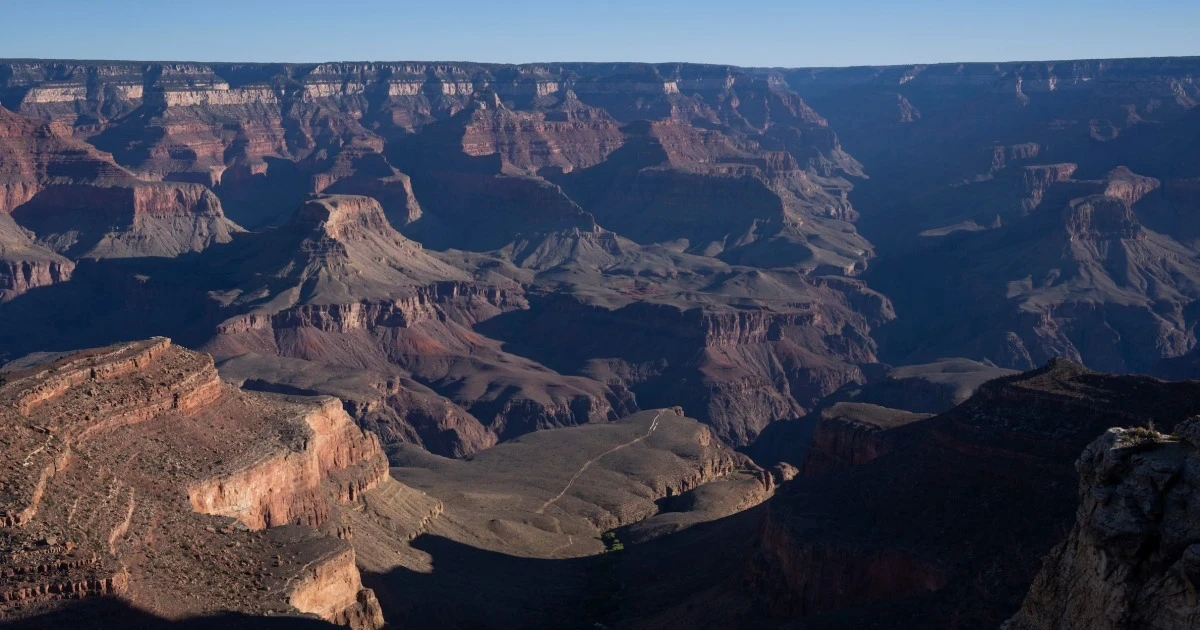
Extreme heat turned one of the country’s most visited parks into a deadly landscape last week, with three hikers dying in separate incidents deep inside Grand Canyon National Park. Rangers and emergency personnel responded by helicopter, but all three were dead when first responders reached them.
The first death came on June 12, when a 72-year-old man died while hiking the South Kaibab Trail. Four days later, a 67-year-old man and a 68-year-old woman died on the North Kaibab Trail. Grand Canyon officials said the deaths were being investigated in coordination with the Coconino County Medical Examiner’s Office.
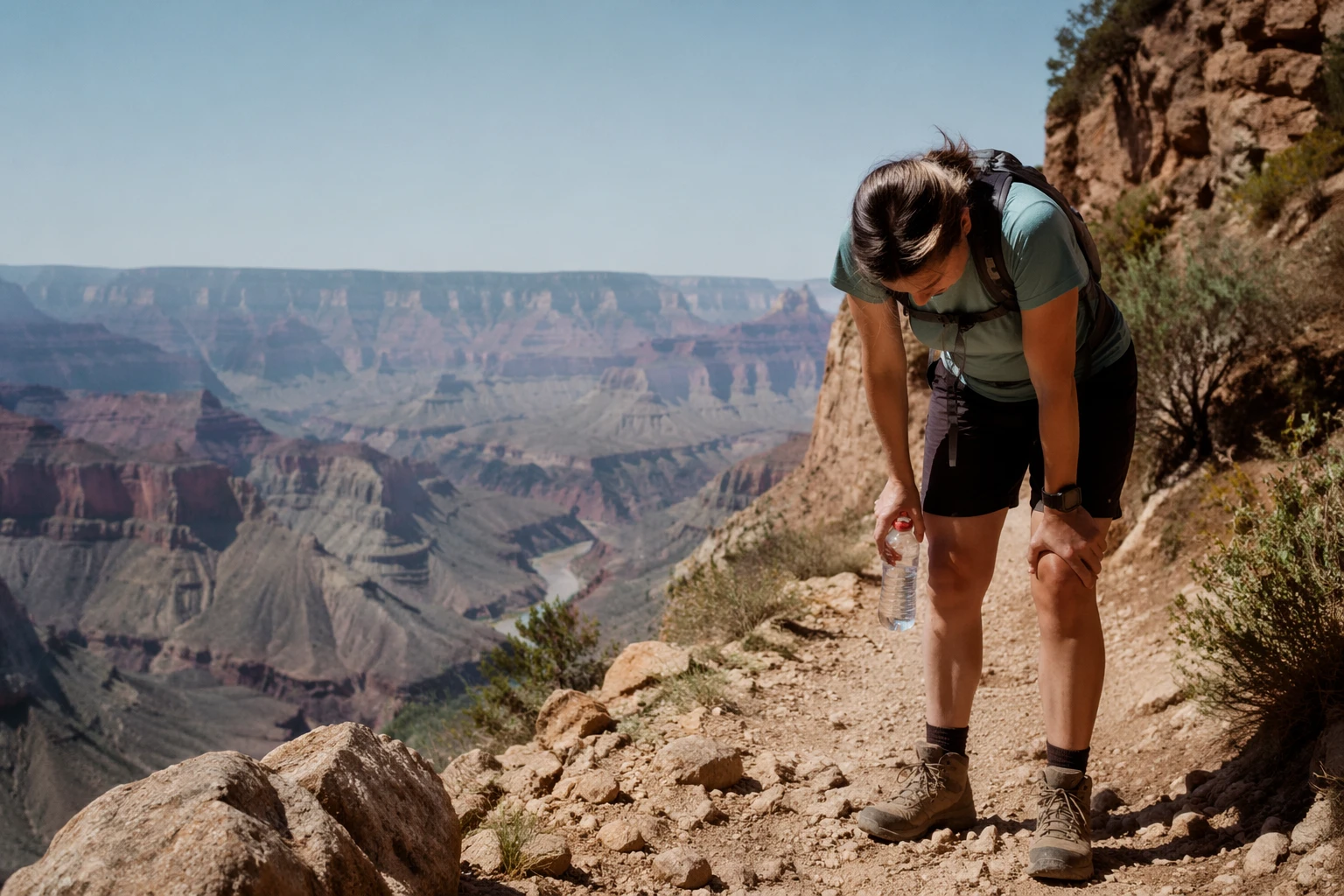
The danger was not theoretical. On June 16, the National Weather Service had issued an extreme heat warning for lower canyon elevations below 4,000 feet, where temperatures neared 110 degrees at Phantom Ranch. Park officials urged hikers to stay off Inner Canyon trails from 10 a.m. to 4 p.m., when temperatures are hottest. The warning highlighted where visitors are most exposed: the steep, low-elevation corridors far below the South Rim, where the canyon holds heat and escape is slow.
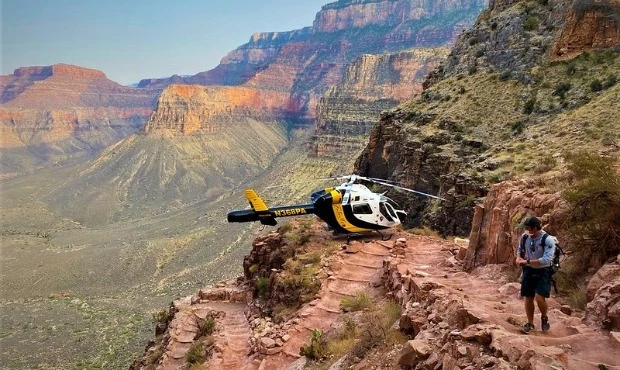
The deaths also follow another fatal incident on a different route through the park. On June 3, at about 1:40 p.m., the Grand Canyon National Park Regional Communications Center received reports of an 18-year-old male experiencing heat-related symptoms below Havasupai Gardens on the Bright Angel Trail. He later died, and that case remains under investigation by the Coconino County Medical Examiner’s Office. Officials said the hiker had been on a day hike from the South Rim to the Colorado River and back.
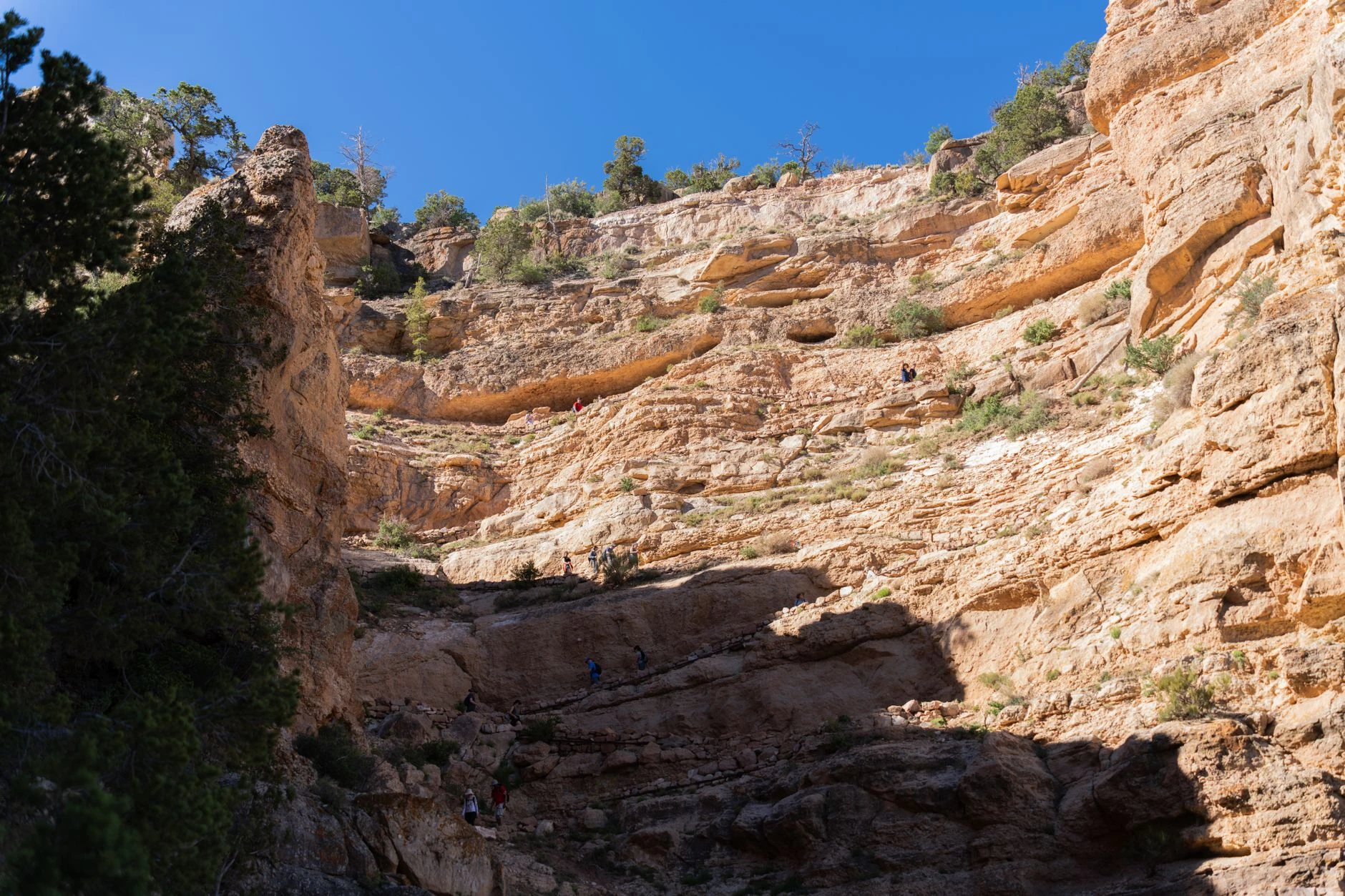
Together, the deaths show how quickly heat can become fatal in the park’s inner corridors, especially on trails that drop hundreds of feet below the rim before hikers begin the hard climb out. The helicopter rescues underscored how difficult it is to reach victims once heat illness takes hold in the canyon’s interior. For Grand Canyon officials, the challenge now is not only issuing warnings, but protecting visitors in terrain where the margin for error can disappear in minutes.
Sources
- [1]nbcnews.com
- [2]nps.gov
- [3]knau.org
- [4]cbsnews.com
- [5]12news.com