World
Three men cleared in Lyra McKee murder trial in Derry/Londonderry
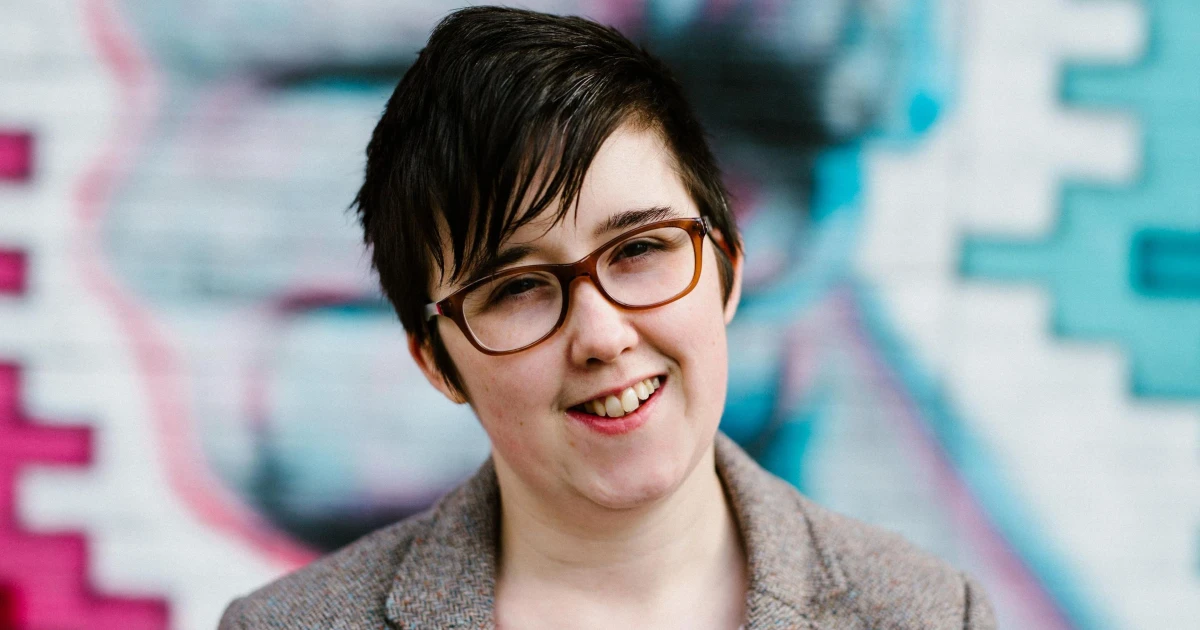
Paul McIntyre, Peter Cavanagh and Jordan Gareth Devine were found not guilty on 3 July 2026 in the long-running trial over the killing of journalist Lyra McKee in Derry/Londonderry. The verdicts ended a case that began in May 2024 at Belfast Crown Court, but they did not resolve the central question that has shadowed the case since 2019: who, if anyone, will be held accountable for the bullet that killed a 29-year-old reporter watching unrest in Creggan.
McKee was shot on 18 April 2019 while standing near police vehicles as rioting flared in the Creggan area of Derry/Londonderry on the eve of the 21st anniversary of the Good Friday Agreement. The New IRA later claimed responsibility for her death. Her killing became one of the most disturbing episodes of the Northern Ireland peace era, tying the dangers facing journalists directly to the enduring threat posed by paramilitary violence and street disorder.
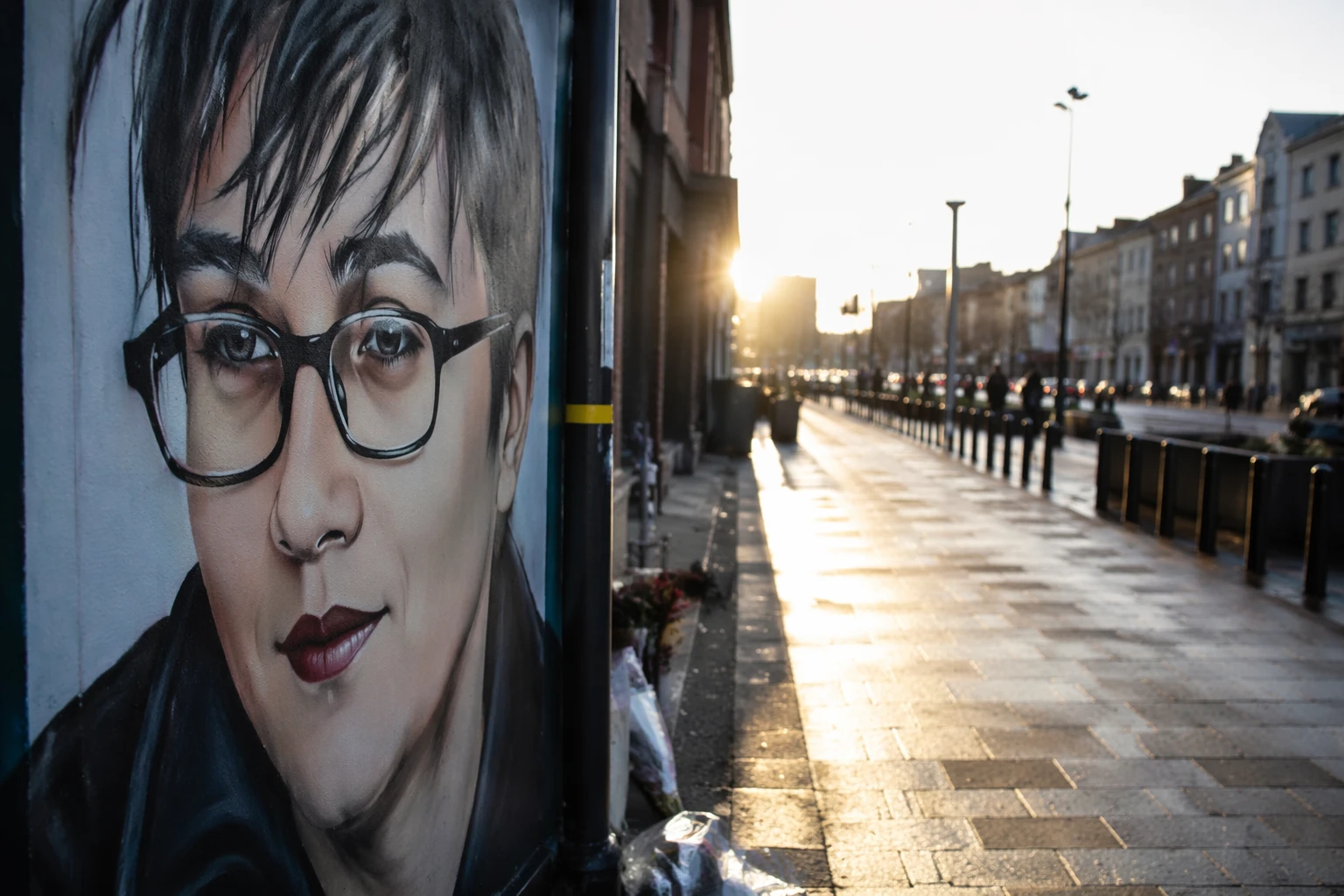
The three men acquitted on Friday, McIntyre, 58, of Kells Walk in Derry, Cavanagh, 38, of Mary Street in Derry, and Devine, 25, of Bishop Street in Derry, had faced a joint enterprise murder charge. The prosecution alleged that they intentionally encouraged or assisted the gunman on the night McKee was killed. Mrs Justice Smyth reserved judgment in April 2026 after a non-jury trial that had already run for almost two years, before delivering the not-guilty findings in court.
The case also heard evidence linked to rioting in Creggan on 16 and 18 April 2019, placing McKee’s death within a wider pattern of disorder rather than a single isolated act. That distinction matters for her family, led publicly by her partner Sara Canning, who has continued to speak about McKee’s life and legacy. It also matters for journalists who still cover protests, unrest and sectarian flashpoints across Northern Ireland, where the line between witness and target can be frighteningly thin.
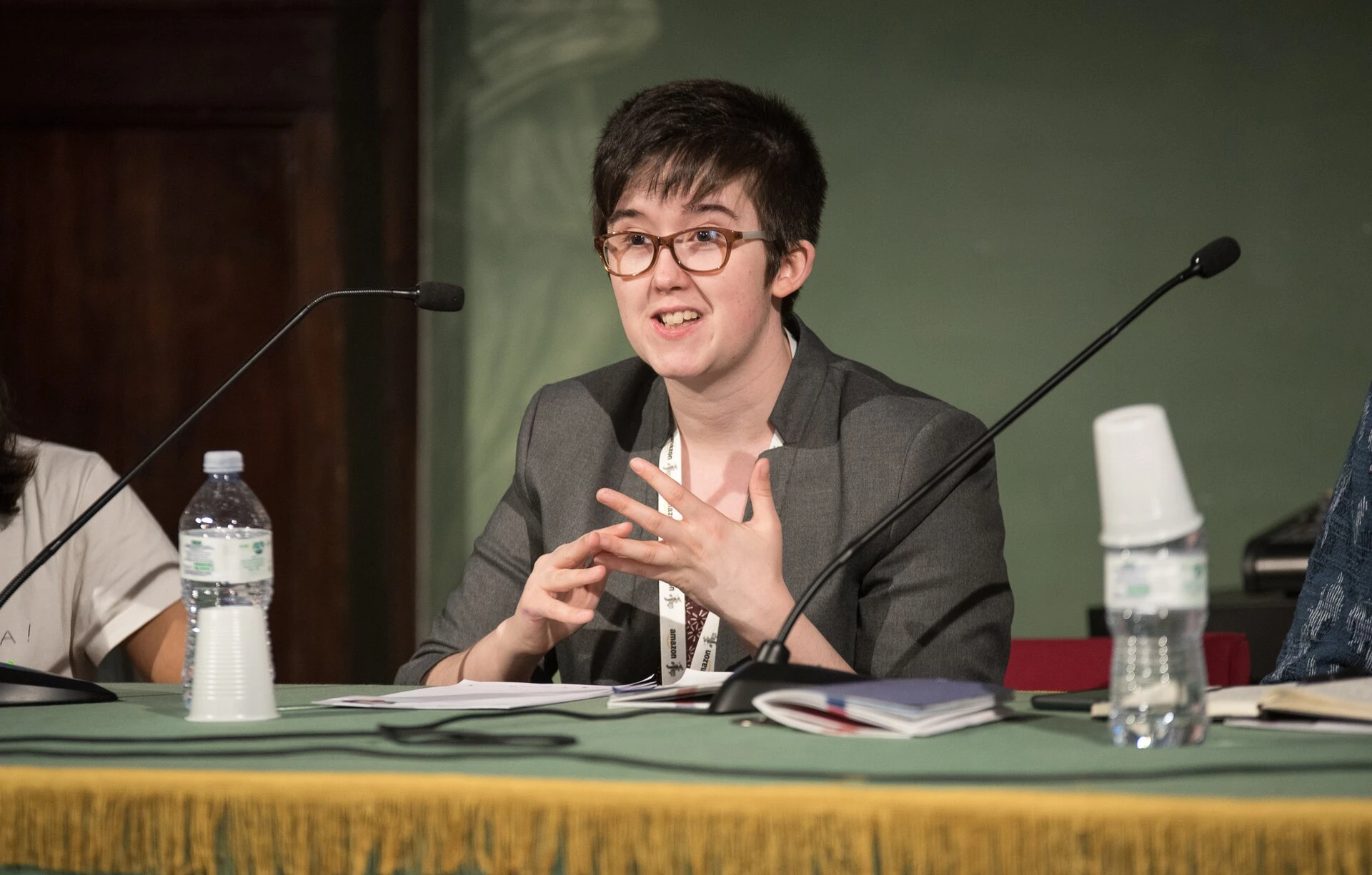
For Northern Ireland’s justice system, the acquittals leave a difficult record: a high-profile death, years of proceedings, and no murder conviction. For reporters in conflict-adjacent environments, McKee’s case remains a warning that the risks of documenting unrest can be as immediate as they are lethal.
Sources
- [1]bbc.co.uk
- [2]independent.co.uk
- [3]itv.com
- [4]thejournal.ie
- [5]rte.ie
- [6]judiciaryni.uk
- [7]bellingcat.com
- [8]wavetraumacentre.org.uk
- [9]tcij.org