Entertainment
Thrift-store painting bought for $100 sells for $250,000 after identification
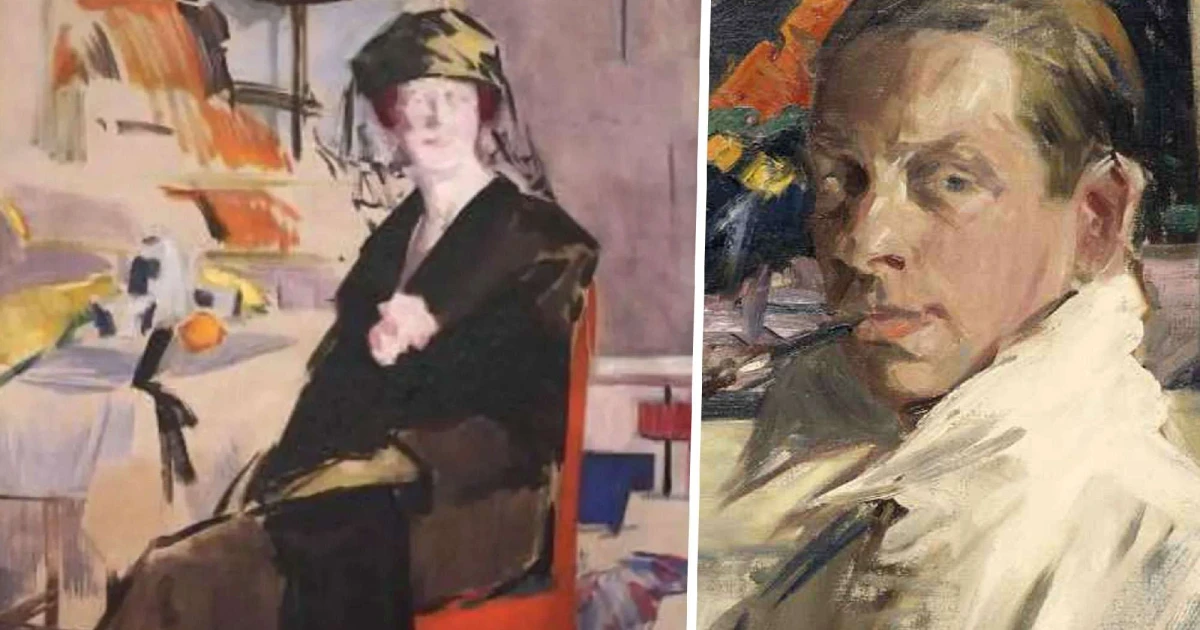
A painting bought for $100 at a thrift store became a six-figure art-market surprise after a son used Google Gemini to investigate what his mother had brought home from a secondhand shop decades earlier. What began as a casual family question ended with the work identified as by Francis Cadell and later sold at auction for more than $250,000.
The sequence matters as much as the price. Gemini was not the final authority, but it provided an early lead that pointed the search in a useful direction. That lead then had to survive human scrutiny, the kind of verification that remains essential when an algorithm surfaces a plausible match for an object with uncertain provenance and an ordinary-looking origin story.
Once the painting was tied to Cadell, a Scottish colorist whose work can draw serious collector interest, its value changed dramatically. A purchase that cost about the price of a mid-range dinner for two became a major art-market discovery, proving how easily overlooked works can sit in circulation for decades before being recognized for what they are.
The sale also underscores a larger trend that has pushed thrift-store art finds into the public imagination. Paintings bought for a few dollars or a few hundred dollars have recently been linked to artists whose work can command tens or hundreds of thousands at auction, fueling a new kind of provenance hunt in which A.I. tools are increasingly used to generate leads. The pattern has made secondhand shopping feel less like luck alone and more like a test of how quickly technology can surface hidden clues.
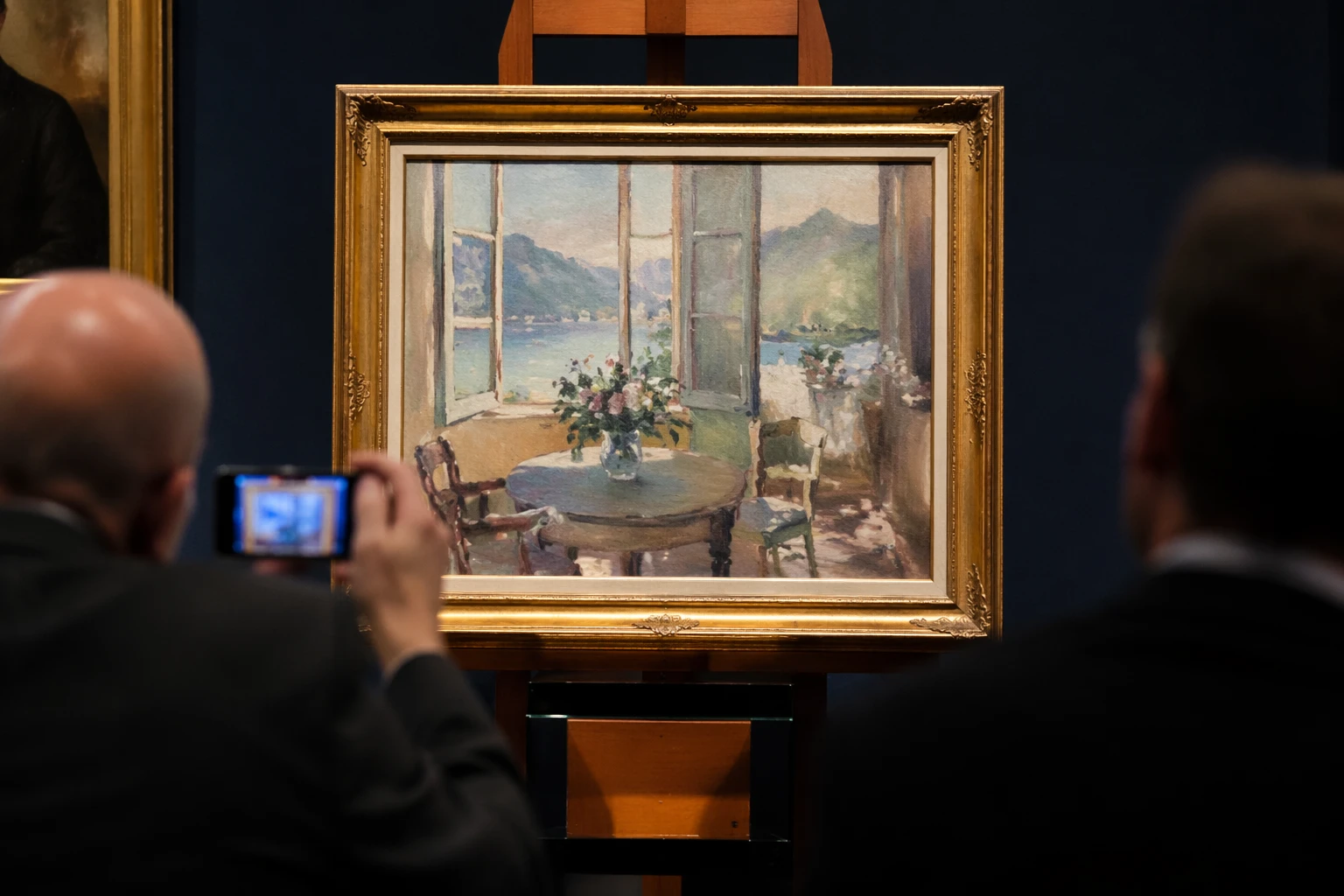
But the story is not a victory lap for automation. It is an audit of what A.I. can do well and where it still falls short. Gemini helped raise the right question, but it did not authenticate the work on its own. The value only crystallized after the machine-assisted hunch was checked against expert judgment, a reminder that confidence is not the same thing as accuracy.
In that sense, the painting’s leap from thrift store shelf to auction block points to a broader shift in cultural discovery. A.I. can accelerate provenance research, widening the pool of objects worth examining and helping families, collectors and dealers spot what they might otherwise miss. The final call still belongs to people trained to separate a valuable lead from a convincing error.
Sources
- [1]nytimes.com
- [2]boingboing.net
- [3]nsc9news.com
- [4]news.google.com