Science
Thwaites Glacier Faces Accelerating Meltdown
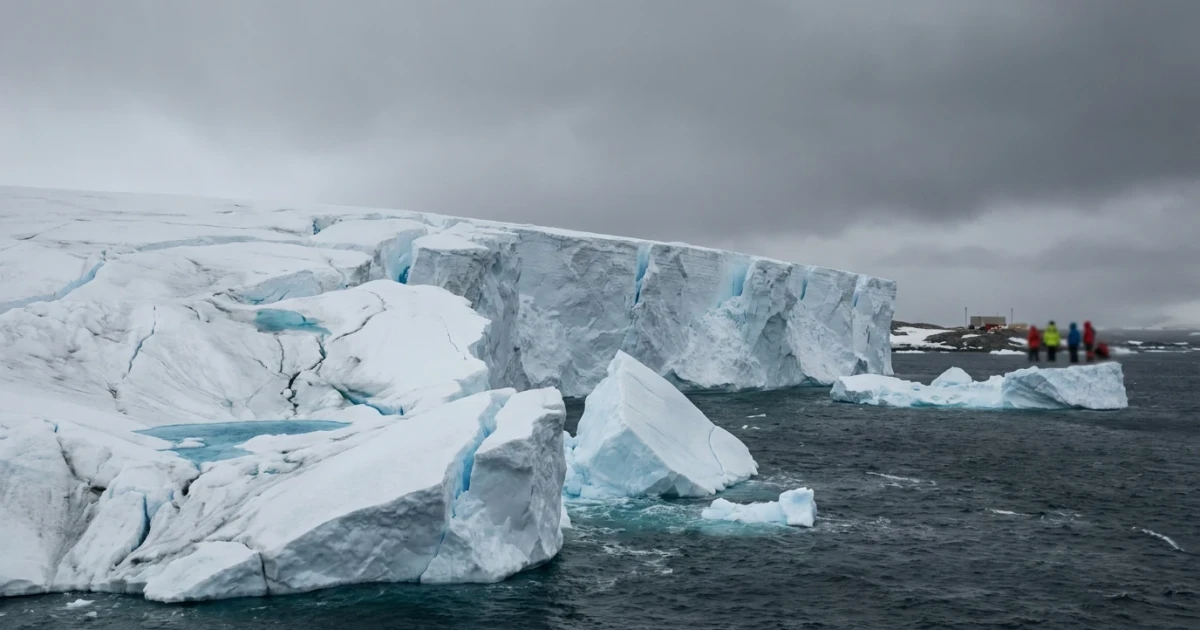
Thwaites Glacier, often referred to as the "doomsday glacier," is melting at a pace that has alarmed scientists and global policymakers. At more than twice the size of Washington state, Thwaites represents one of the most significant and closely watched ice masses in Antarctica. Recent observations indicate rapid deterioration, especially in the glacier’s massive ice shelf, with potentially dire implications for sea level rise and coastal communities worldwide.
The Scale and Significance of Thwaites Glacier
Covering an area of approximately 120,000 square kilometers, Thwaites is pivotal in the stability of the West Antarctic Ice Sheet. As detailed in the USGS scientific background, the glacier’s sheer size means that any significant melt or retreat can have outsized effects on ocean levels. The nickname "doomsday glacier" stems from its potential to unlock vast amounts of ice, should its structural integrity fail.
- Thwaites is larger than Washington state, making it one of the key glaciers in Antarctica.
- The ice shelf attached to Thwaites acts as a natural barrier, slowing the flow of ice into the sea.
- Loss of this shelf could accelerate the glacier’s retreat.
Accelerating Melt and Risk of Ice Shelf Collapse
Scientists have observed that Thwaites is melting faster than ever, with its giant ice shelf now poised to break away. According to the International Thwaites Glacier Collaboration, recent fieldwork and satellite data show that warming ocean currents are undercutting the glacier, destabilizing the ice from below. This process increases the risk that the ice shelf—already riddled with cracks—could collapse within years rather than decades.
The glacier’s retreat has been documented using high-resolution satellite imagery and ground measurements, as seen in the Antarctic Ice Shelves: Glacier Outlines dataset. These data illustrate dramatic changes in the glacier's boundaries and flow rates, confirming a trend of rapid acceleration.
Potential Consequences for Sea Level Rise
If the Thwaites Glacier’s ice shelf breaks away, scientists warn that ice flow into the ocean could increase substantially. The glacier currently holds enough ice to raise global sea levels by approximately 2 feet (NASA Vital Signs: Ice Sheets). However, its collapse could destabilize neighboring glaciers, potentially resulting in even greater sea level increases over time.
- Immediate risk: Rapid ice shelf loss could trigger further melting and retreat.
- Long-term risk: Cumulative impact could raise sea levels by several feet, threatening coastal cities globally.
Wider Implications for Climate Policy and Coastal Communities
The threat posed by Thwaites has prompted renewed calls for climate action and adaptation planning. According to the IPCC AR6 report, Antarctic ice loss is a major contributor to projected sea level rise, and the rapid changes at Thwaites make it a focal point for international research and policy discussions. Coastal communities, especially those in low-lying regions, face heightened risks of flooding and erosion as ocean levels continue to rise.
Scientific Monitoring and Next Steps
Ongoing research efforts, such as the British Antarctic Survey's Thwaites Glacier Data Portal, are providing critical real-time data to track changes and inform mitigation strategies. Experts emphasize the need for continued investment in monitoring, modeling, and adaptation measures to anticipate and respond to the evolving risks posed by Thwaites and other Antarctic glaciers.
Key Takeaways
- Thwaites Glacier is melting faster than ever, threatening to raise global sea levels.
- The glacier is larger than Washington state, with a massive ice shelf at risk of imminent collapse.
- Loss of the ice shelf could accelerate melting, destabilize neighboring glaciers, and increase flooding risks.
- International research and climate policy focus are intensifying in response to these developments.
As scientists race to understand and mitigate the consequences of Thwaites’ rapid retreat, the world faces a critical moment in addressing the impacts of climate change. The coming years will be pivotal in determining how much ice is lost—and how much coastal communities must adapt to the threat of rising seas.