Health
Tick Bite Emergency Visits Surge in Upper Midwest
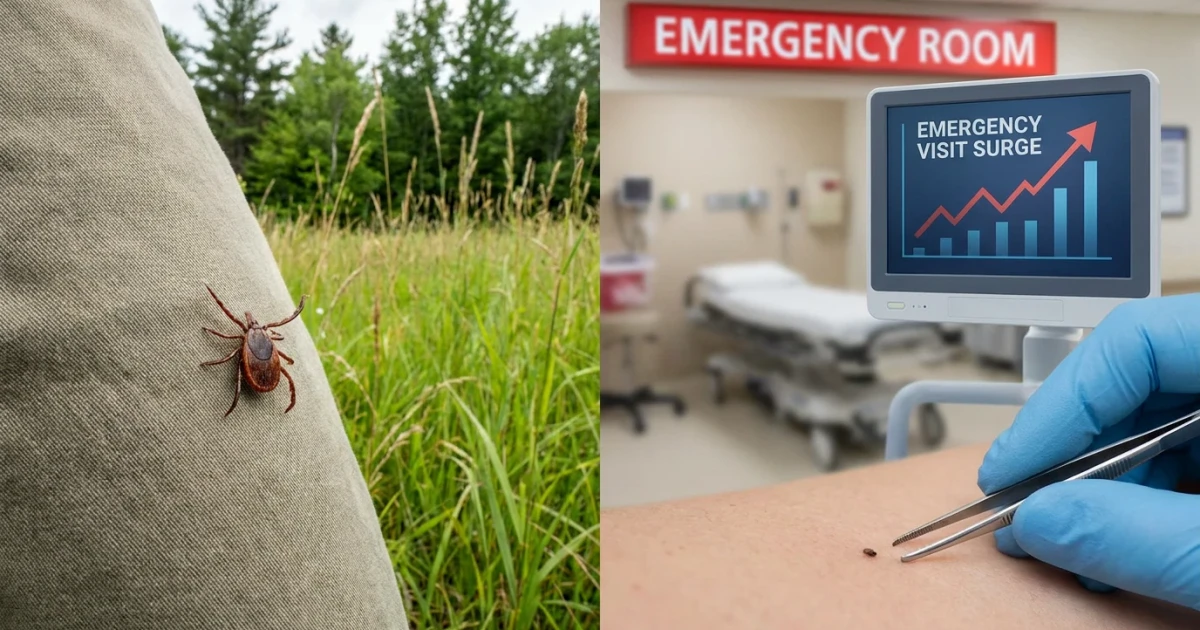
Emergency room visits for tick bites are on the rise across the United States, with the Upper Midwest—especially Wisconsin—experiencing a notable surge. Health officials and researchers warn that this trend may signal a higher risk of tick-borne illnesses, including Lyme disease, as the summer season progresses.
Tick Bite ER Visits Highest in Upper Midwest
Data from the Centers for Disease Control and Prevention’s tick surveillance program shows that the number of tick-related emergency room (ER) visits typically peaks during late spring and early summer. According to The Washington Post, the highest rates of ER visits for tick bites have been recorded in Wisconsin, as well as parts of Minnesota and the Northeast.
This geographic pattern aligns with the known distribution of blacklegged ticks, the primary vectors for Lyme disease in the U.S. The CDC’s Lyme disease statistics confirm that most reported cases occur in the Upper Midwest and Northeast, where tick populations are robust and growing.
Wisconsin Faces Potentially High Lyme Disease Season
Wisconsin health experts quoted in The Washington Post anticipate “a big year” for Lyme disease, as tick bite numbers soar. This expectation is based on early season tick surveillance and the rapid rise in ER visits. The Wisconsin Tick Data Dashboard reveals that tick encounters in the state are trending above average, a pattern that could translate into higher Lyme disease case numbers later in the year.
- Wisconsin has seen some of the highest per capita rates of tick-borne diseases in recent years.
- The Northeast continues to experience high Lyme disease incidence, but the Upper Midwest is closing the gap, according to CDC reports.
Why ER Visits for Tick Bites Matter
Emergency department visits for tick bites serve as an early warning system for the potential spread of tick-borne diseases. Analysis of national hospital data indicates that while not every tick bite results in Lyme disease or other illnesses, increases in ER visits often precede spikes in disease cases.
Experts emphasize the importance of prompt medical attention for tick bites, especially if symptoms such as fever, rash, or joint pain develop. According to the CDC’s tickborne diseases reference, early treatment is the best defense against long-term complications.
Regional Trends and Contributing Factors
Multiple factors are driving the increase in tick encounters and related health risks in Wisconsin and neighboring states:
- Warmer winters and longer growing seasons have allowed tick populations to expand further north and remain active longer.
- Changes in land use, such as suburban development and reforestation, have created more tick-friendly habitats.
- Increased outdoor activity during spring and summer months boosts human exposure to ticks.
Peer-reviewed research on tick-borne disease trends confirms that these environmental and behavioral factors have contributed to rising tick bite and disease rates across the Upper Midwest.
Prevention and Public Health Response
Public health officials urge residents of high-risk areas like Wisconsin to take preventive measures:
- Use EPA-registered insect repellents
- Wear long sleeves and pants in wooded or grassy areas
- Perform thorough tick checks after outdoor activities
- Promptly remove any attached ticks using fine-tipped tweezers
Early awareness and prevention can help reduce the risk of Lyme disease and other tick-borne illnesses as tick season intensifies.
Looking Ahead
With tick bite ER visits already elevated in Wisconsin and the broader Upper Midwest, experts anticipate continued vigilance will be needed throughout the summer. Tracking tick encounters and encouraging preventive behaviors remain critical tools in protecting public health as environmental changes fuel the ongoing spread of ticks and tick-borne diseases.