Health
Tick-borne diseases spread as Lyme cases expand across the U.S.

Emergency-department visits for tick bites reached their highest spring level in at least a decade, with 85 of every 100,000 ED visits tied to tick bites in the CDC’s most recent week of reported data highlighted in April 2026. The CDC’s tick-bite tracker breaks those visits down by week, month, region, age and sex, giving public health officials a sharper view of where bites are landing and who is showing up for care.
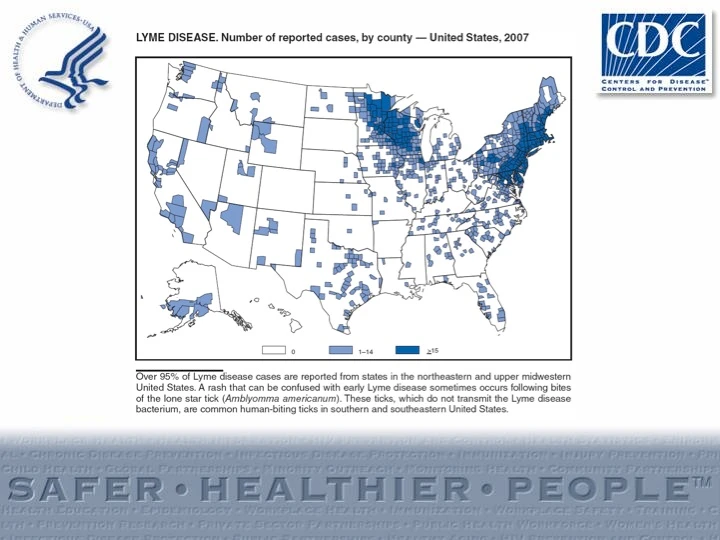
Lyme disease remains the most common tick-borne illness in the United States and has been a nationally notifiable condition since 1991. The CDC says it is most common in the Northeast, mid-Atlantic and upper Midwest, but the disease has not stayed inside those historical strongholds. CDC case maps comparing 1995, 2010 and 2023 show that the range of reported Lyme cases has expanded significantly since 1995, pushing the burden into more places as state and local health departments collect reports and feed them into national surveillance systems.
The broader tick-borne disease picture is just as stark. State and local health departments reported an average of 46,115 tick-borne disease cases to the CDC during 2019 through 2022, although the 2019 and 2020 counts were incomplete because of the COVID-19 pandemic. That means the national tally is already large even before accounting for years when routine reporting was disrupted, and it shows why surveillance matters as much as treatment once a patient walks into an emergency department.
Prevention still starts before the bite. The American Academy of Pediatrics says insect repellents can reduce tick-borne disease and recommends EPA-registered products such as DEET, picaridin or oil of lemon eucalyptus when they are used according to label directions. The CDC’s historical overview reaches back to 1893, when Smith and Kilborne documented experimental transmission of Texas cattle fever by tick bite, a reminder that the fight against tick-borne disease is older than modern surveillance and still depends on the basics: detection, prevention and the ability to see the problem spread as it happens.
Sources
- [1]nytimes.com
- [2]cdc.gov
- [3]publications.aap.org
- [4]aap.org
- [5]stacks.cdc.gov