Entertainment
Tidal bans monetization of fully AI-generated music, adds listener labels

Tidal said it would start tagging fully AI-generated songs with an “AI” badge and stop paying them on July 15, drawing a line not at the music itself but at who can profit from it. The company said tracks it detects as 100 percent AI-generated will lose streaming monetization and direct-to-fan sales, while music that impersonates an artist or group will be removed with automated tools.
The policy puts Tidal’s artist-first branding to the test. In its announcement, EVP and Editor-in-Chief Tony Gervino said many listeners do not want to be exposed to, or prompted to listen to, wholly AI-generated music. Tidal said the rules were designed to protect “organic creativity,” preserve the connection between artists and fans, and keep AI uploads from flooding the service. The company also called the policy a living document that it will keep updating as the technology evolves.
Tidal’s move reaches beyond royalties. Fully AI-generated uploads will be ineligible for direct-to-fan sales, and TIDAL Upload, the company’s direct-upload service for independent artists, is covered by the same rules. That matters because direct-upload tools have become one of the easiest ways for musicians to reach streaming platforms without a label, while also creating a wider opening for mass uploads and synthetic content.

The company said it was receiving an overwhelming amount of AI-generated music from third-party distributors, a problem that has pushed streamers into a new enforcement race. Variety reported that Tidal also plans to expand labels beyond wholly AI-generated songs to tracks that are substantially AI-generated as detection improves, widening the policy’s reach as the software gets better at spotting synthetic material.
The decision also underscores the business-model divide across streaming services. Spotify has revised its policies to label AI music and better filter spam, while Apple Music has taken a tagging approach. Deezer said 44% of all new music uploaded daily to its platform is AI-generated, and it has removed AI tracks from recommendations and editorial playlists while offering detection tools to competitors. Tidal’s stance is more punitive than simple disclosure, but it still stops short of an outright ban.
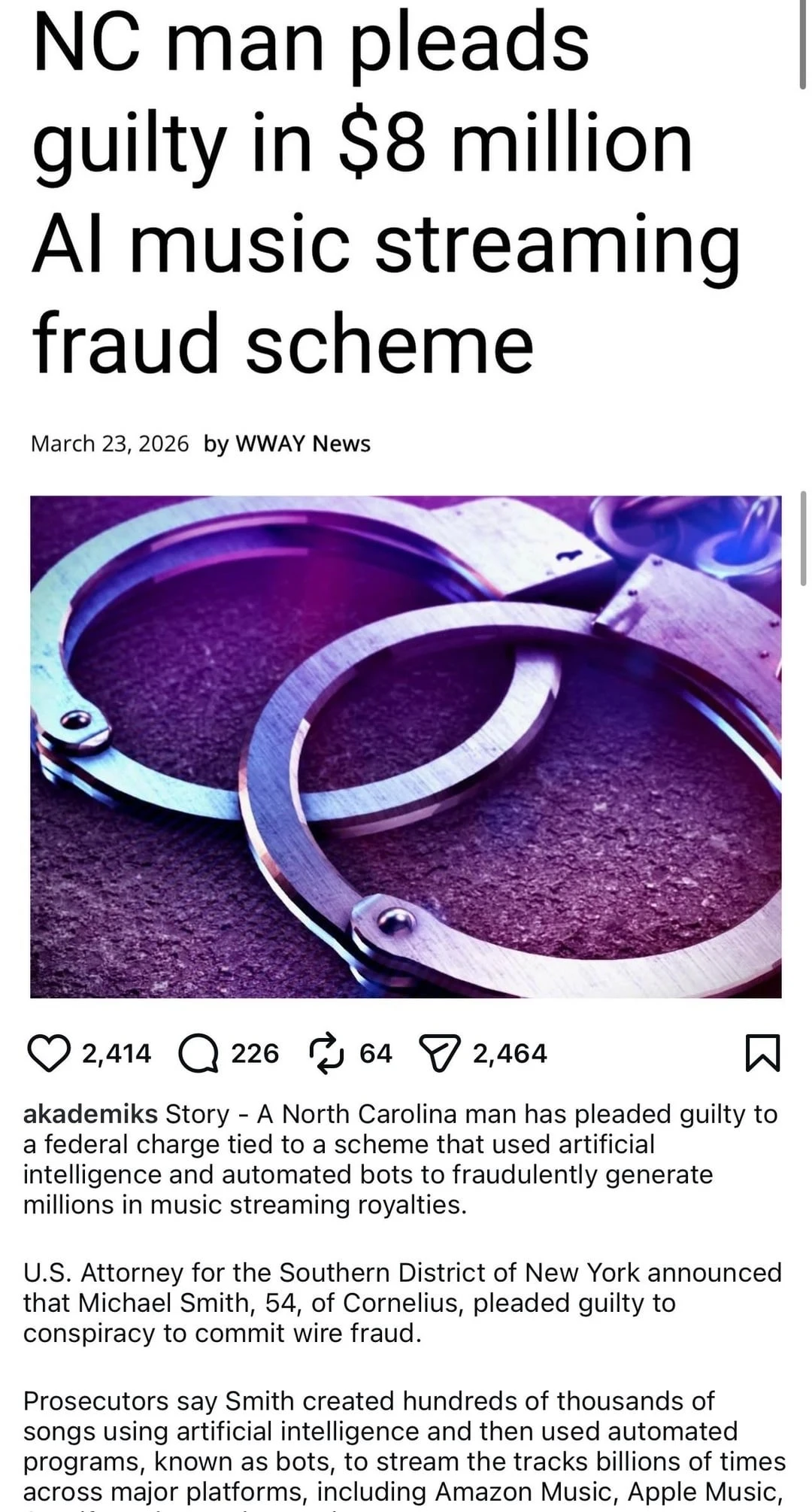
That middle path may matter most for human artists whose income depends on streaming pennies. Variety noted that Tidal has typically paid artists more than rivals such as Spotify, which makes the decision to demonetize AI tracks more consequential than a badge alone. The company is betting that labels, fraud checks, and payment restrictions can protect listeners and artists without forcing synthetic music off the platform entirely.
Sources
- [1]theverge.com
- [2]tidal.com
- [3]tech.yahoo.com
- [4]variety.com
- [5]musicbusinessworldwide.com
- [6]digitalmusicnews.com