Health
TikTok sunscreen misinformation spreads as anti-sunscreen videos go viral
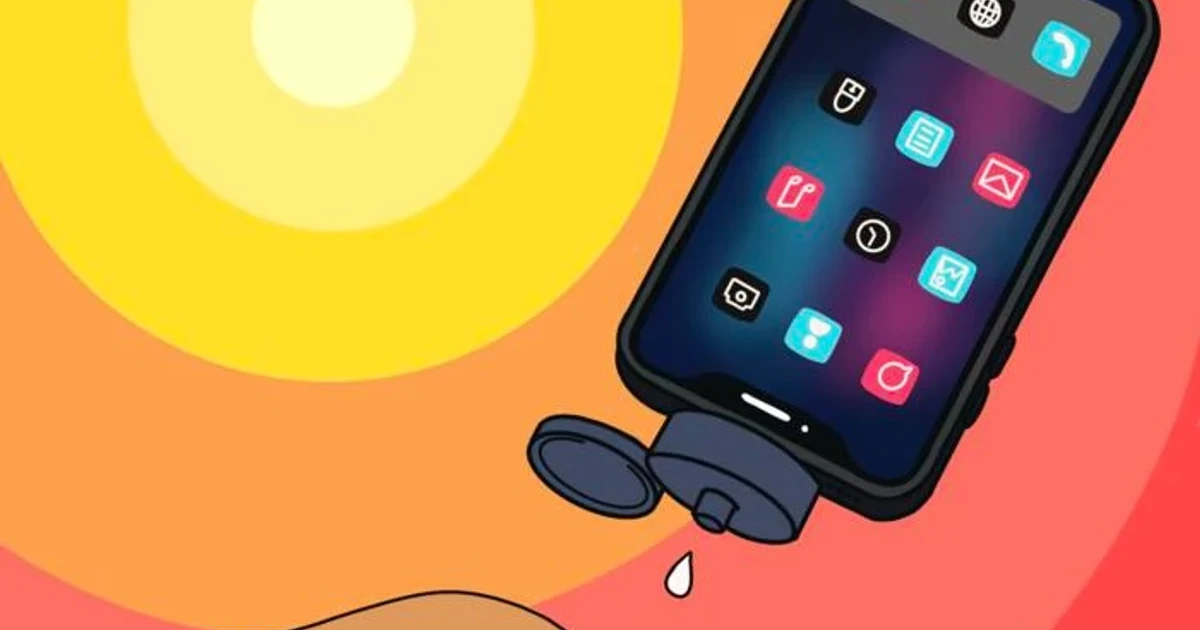
Anti-sunscreen videos on TikTok were a small part of the conversation, but they drew a disproportionate amount of attention in a new University of Alberta study. That mismatch matters because sunscreen remains one of the basic tools for preventing sunburn and reducing skin-cancer risk.
The peer-reviewed study in PLOS Digital Health, published June 18, 2026, analyzed nearly 1,000 TikTok videos about sunscreen. Researchers led by Alessandro Marcon found that only a small fraction of the videos contained critiques, and very few went so far as to claim sunscreen caused harm or blocked health benefits.
When the criticism did appear, it was often extreme. The study identified claims that sunscreen was toxic, carcinogenic or hormone-disrupting, that it contained microplastics, and that sunburns were not dangerous. Those claims were not the majority of the sample, but they were the posts most likely to pull users in.
Critical videos received significantly more likes, shares and comments than videos that simply promoted sunscreen. View counts, however, were not statistically significant, a detail that points to the problem researchers highlighted: misinformation can spread through engagement and algorithmic amplification even when it is numerically rare.
Marcon and his colleagues said the findings help explain why misinformation can feel ubiquitous on a platform even when relatively few creators are posting it. The danger is not only that false claims exist, but that a sensational claim about hidden ingredients or supposed toxicity can look more credible because it is being liked, shared and debated.
That visibility has real public-health consequences. Dermatologists and other health experts have long warned that confusing popularity with credibility can push people away from a prevention measure that protects against sunburn and lowers the risk of skin cancer. For teens and young adults who increasingly encounter health advice through short-form video, the stakes are especially high when a false message travels faster than a fact-check.
The study’s larger warning is simple: on TikTok, the most engaging sunscreen content is not always the most accurate. In public health, that gap can shape behavior long before a person ever sees a doctor or a warning label.
Sources
- [1]news.google.com
- [2]journals.plos.org
- [3]nbcnews.com
- [4]washingtonpost.com
- [5]medicalxpress.com
- [6]popsci.com