Technology
TikTok tests tool to detect AI deepfakes of creators faces
TikTok began testing an opt-in Likeness Detection tool with some U.S. creators, a move that would let people scan for AI-generated videos and accounts that may be using their face without consent. Social media consultant Matt Navarra spotted the feature, and TikTok U.S. spokesperson Zachary Kizer confirmed the test.
The tool is built around creator control rather than after-the-fact moderation alone. TikTok says eligible creators can review flagged videos and accounts and then report suspected impersonation back to the company. The platform also says identity verification for the tool uses a real-time selfie scan and an ID check, with the ID review handled by a third party and the documents not retained.
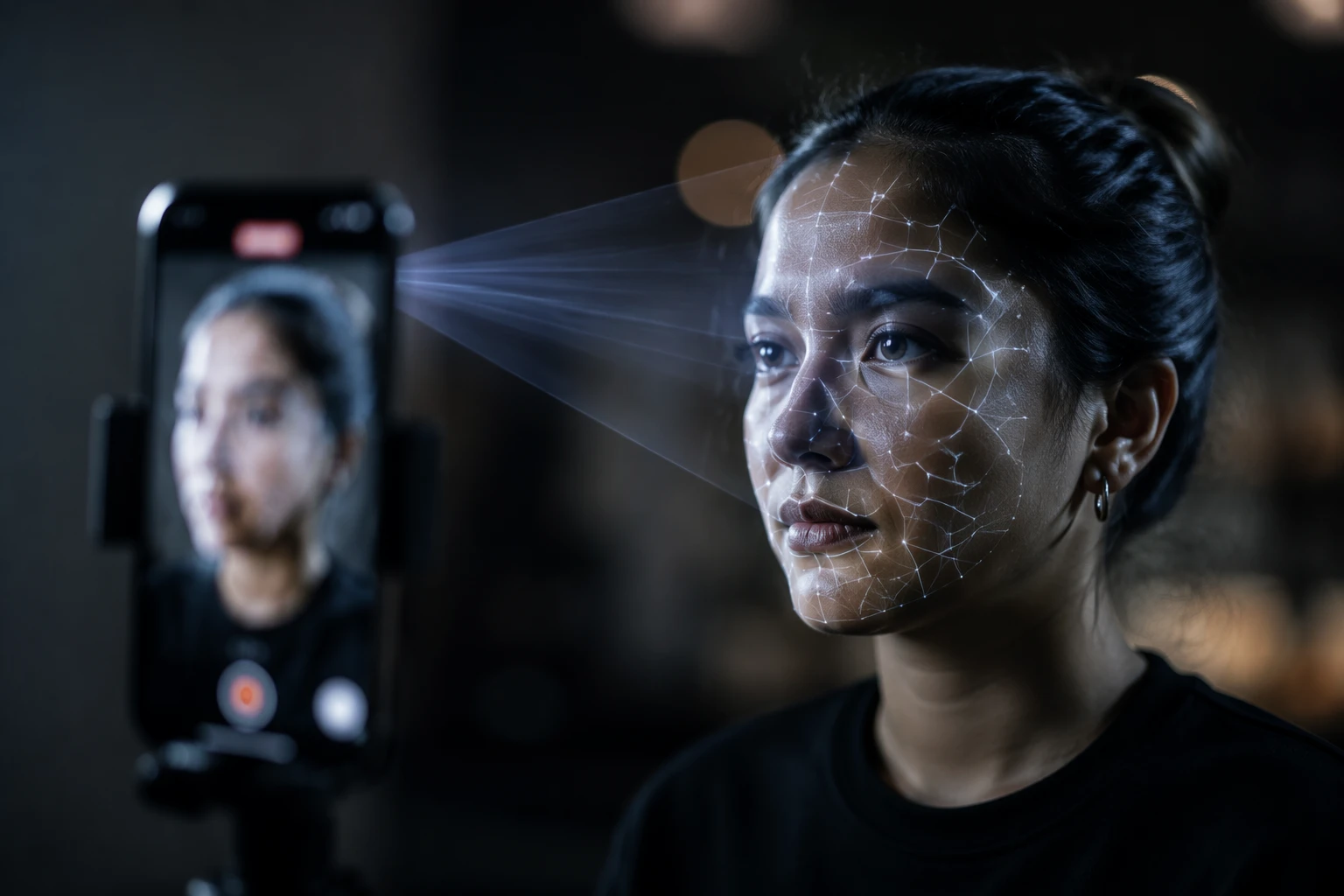
The test puts TikTok closer to YouTube, which has been developing an AI likeness detection system that works similarly to Content ID. YouTube’s help materials say its feature is opt-in, uses a selfie-style face scan to monitor for lookalikes, and lets creators find, manage and request removal of unauthorized videos that use or alter their facial likeness. YouTube later expanded likeness detection beyond its initial creator test to more users, extending the tool after an early rollout.
The timing reflects how fast AI impersonation has become a creator safety issue across major platforms. TikTok said in May 2024 that it would automatically label some AI-generated content uploaded from certain platforms, and its support pages also lay out disclosure requirements for AI-generated content. That leaves TikTok with two separate layers of response: labels for synthetic media that enters the app and a newer identity-protection tool aimed at videos built around a creator’s face.
The distinction matters for public trust. Automatic labeling can warn viewers after content appears, but it does not stop a convincing deepfake from circulating first. A likeness tool that lets creators identify and report misuse could give public figures, journalists and smaller creators a clearer path to enforcement, although the real measure will be whether TikTok can surface abuse quickly and remove it consistently.
Sources
- [1]theverge.com
- [2]threads.com
- [3]support.google.com
- [4]techbuzz.ai
- [5]abcnews.com
- [6]support.tiktok.com