Politics
Timmons remembers Lindsey Graham's bipartisan legacy after South Carolina senator dies
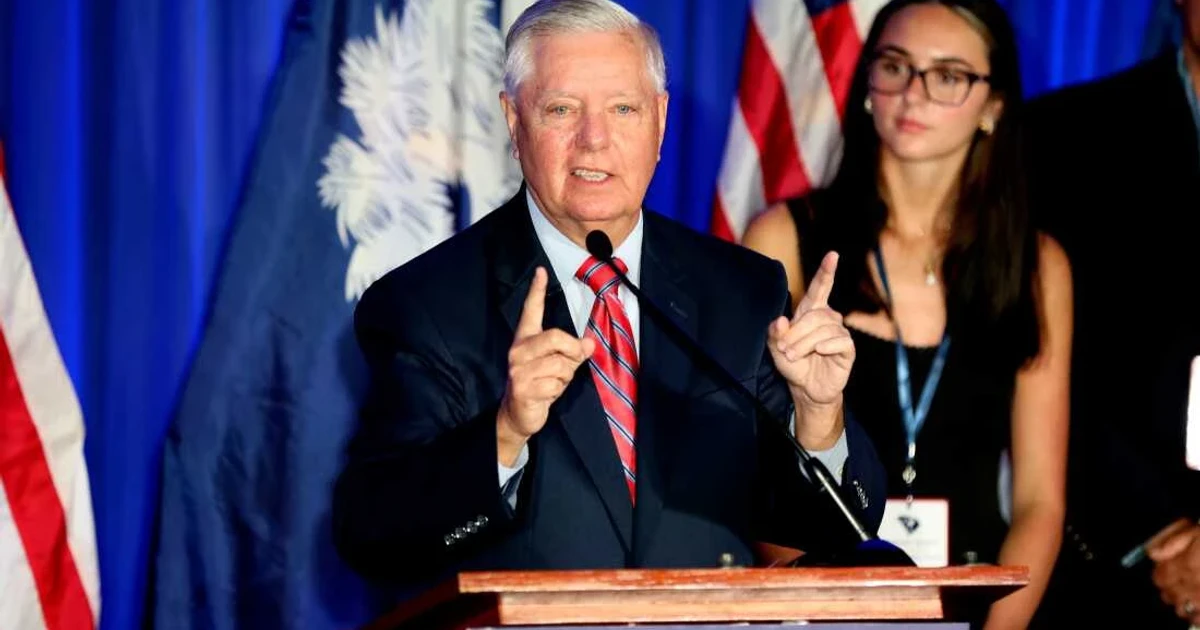
Lindsey Graham died at 71 after a brief and sudden illness, ending a 23-year Senate career that often turned on whether he could pull enough votes from both parties to move a deal. Rep. William Timmons said Graham could argue fiercely over Ukraine funding one day and quietly help advance rail legislation the next, a style that made the South Carolina Republican one of the chamber’s most useful brokers.
Timmons, who has represented South Carolina’s 4th Congressional District since January 3, 2019, said he knew Graham as a mentor, travel companion and golf partner. His district covers a majority of Greenville and Spartanburg counties, and Timmons used that personal history to point to Graham’s practical brand of politics: combative in public, but willing to do the work behind the scenes when a bill needed votes.
That balance showed up most clearly in infrastructure. Graham backed the bipartisan infrastructure law on August 10, 2021, saying it would help South Carolina’s roads, bridges, ports and broadband internet access. Earlier this year, he also helped secure nearly $150 million in South Carolina project funding in a fiscal 2026 appropriations package, a reminder that his leverage in Washington still translated into money for home-state projects.
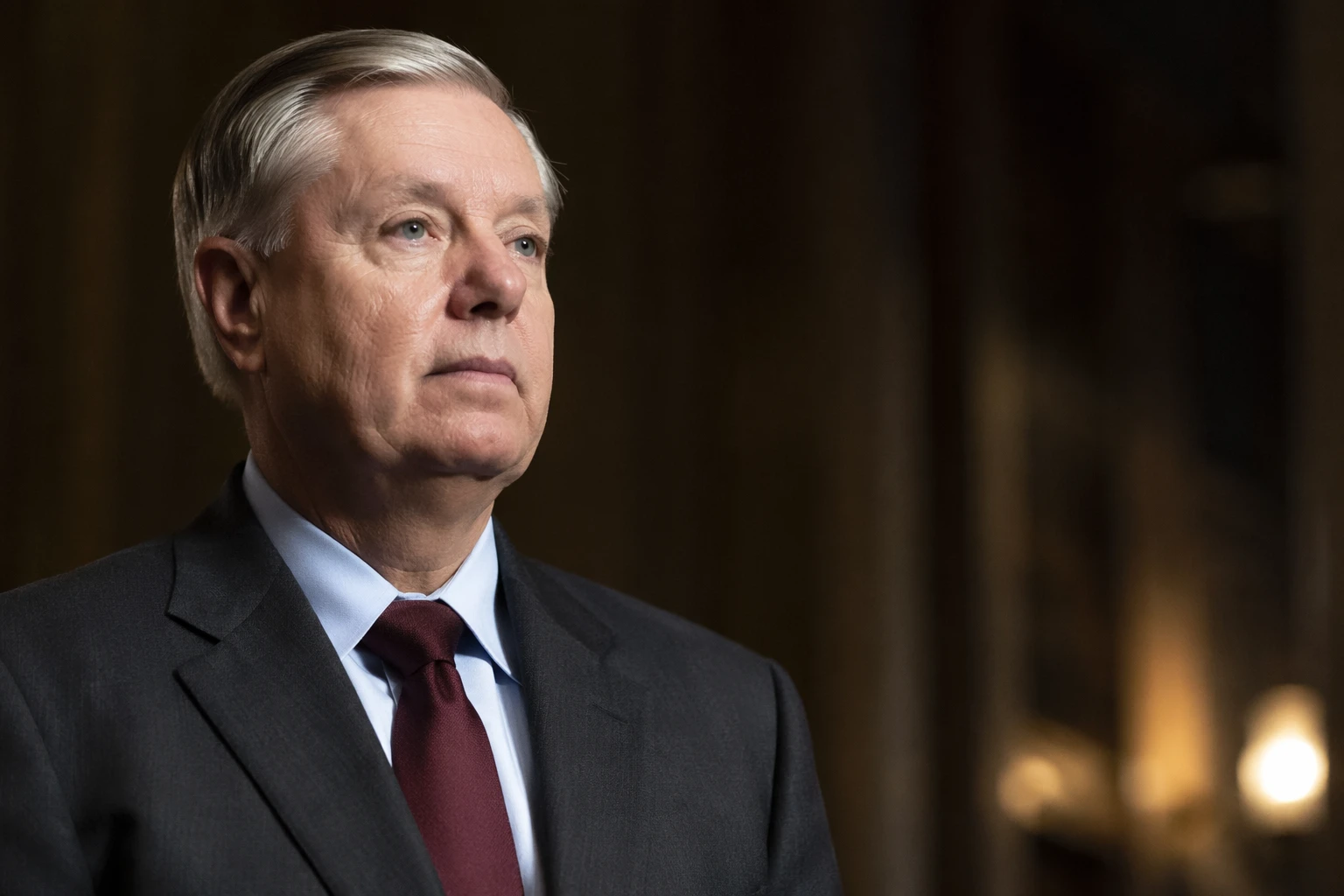
Graham also remained active in technology and foreign policy fights that crossed party lines. In December 2025, he joined Sen. Chuck Grassley and Sen. Dick Durbin on the bipartisan Sunset Section 230 Act. On sanctions, Graham worked with Sen. Chris Van Hollen, including efforts tied to Turkey and Syria, and he later co-led the bipartisan, bicameral Stand with Ukraine Act with Sen. Richard Blumenthal and House members Brian Fitzpatrick and Marcy Kaptur.
The reaction in South Carolina cut across party lines. Gov. Henry McMaster, Sen. Tim Scott and Rep. James Clyburn all offered condolences after Graham’s death, underscoring how deeply he was woven into the state’s political fabric. His office said he died after a brief and sudden illness.
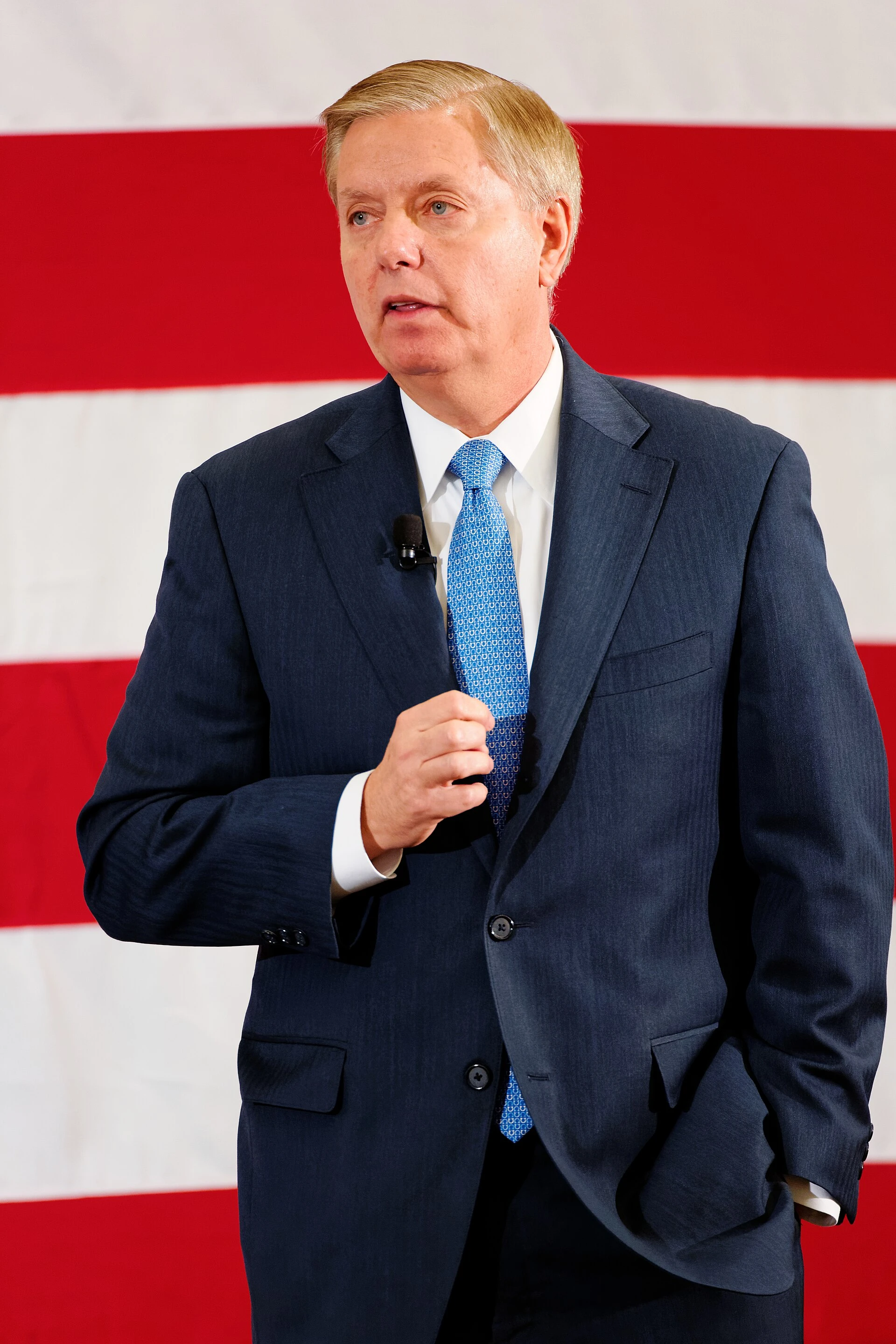
Graham entered the Senate in January 2003 and stayed at the center of negotiations on sanctions, Ukraine and tech policy until the end. In a closely divided chamber, his absence leaves Republicans with one fewer member who could sell a deal to the right and still keep a conversation going with the other side.