Science
Tiny Fossil Discovery in Gobi Desert Sheds Light on Ancient Life
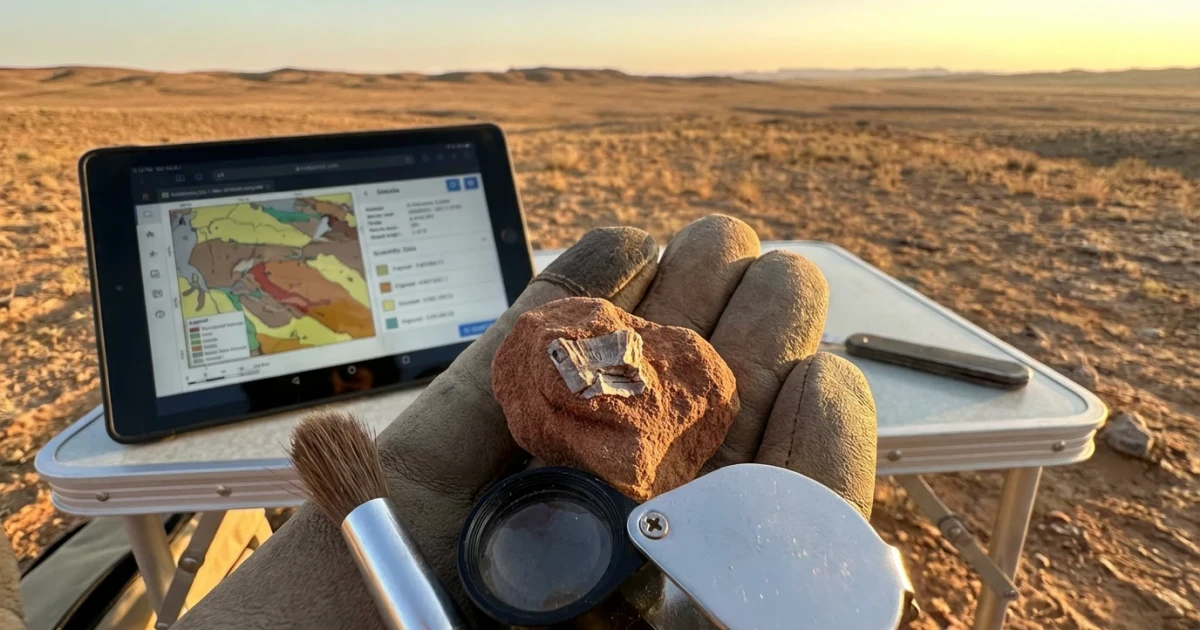
Scientists have uncovered a 1-centimeter fossil in the Gobi Desert, a find hailed as the first of its kind in this famed fossil-rich region. The discovery, announced this week, is expected to expand scientific understanding of the area’s prehistoric ecosystem and the diversity of ancient life forms that once inhabited this vast expanse.
Breakthrough in Fossil Hunters’ Paradise
The Gobi Desert is renowned as one of the world’s most productive fossil beds, yielding a remarkable array of dinosaur and ancient mammal remains over the past century. However, the newly unearthed specimen, measuring just 1 centimeter in length, stands out for its exceptionally small size. According to The Daily Galaxy, this is the first time such a diminutive fossil has been identified and cataloged in the region’s extensive paleontological record.
- The fossil was found in a remote section of the Gobi, an area frequently surveyed for larger vertebrate remains.
- Its diminutive size required specialized extraction and identification techniques to prevent damage and ensure proper classification.
- The discovery highlights the importance of microfossil studies in reconstructing ancient environments and food webs.
Significance of the Find
This 1-centimeter fossil adds a new dimension to our understanding of the Gobi Desert’s prehistoric life. While the region is famous for larger fossil discoveries such as Velociraptor and Protoceratops, the identification of such a small specimen suggests that the ancient ecosystem was even more complex than previously believed.
Microfossils often provide key insights into the evolutionary pathways of ancient species, offering clues about the adaptation and survival strategies of smaller organisms that coexisted with the region’s giant reptiles. The presence of minute fossils like this one may also help paleontologists fill gaps in the fossil record, particularly concerning the early evolution of vertebrates and invertebrates in desert environments.
Scientific Process and Classification
According to paleontologists, the process of approving and naming a new fossil species involves rigorous scrutiny in line with the International Code of Zoological Nomenclature. Because of its unique characteristics and unprecedented size, the fossil will be subjected to detailed analysis before any formal naming or classification is proposed. This includes comparison with existing records in global databases and peer-reviewed study of its morphology and geologic context.
Resources like the Paleobiology Database and GBIF serve as repositories for such finds, ensuring scientists worldwide can access and study the specimen’s details, including its size, taxonomy, and stratigraphic position.
What This Means for Paleontology
The discovery demonstrates that even in well-explored regions like the Gobi, there remain untapped scientific treasures that can reshape our understanding of ancient life. The continued study of microfossils is likely to yield further revelations about the resilience and diversity of prehistoric species.
For those interested in the technical aspects of fossilization and species identification, the Encyclopedia Britannica’s explainer on fossils offers a foundational overview, while Nature’s fossil research articles provide a window into the latest discoveries and analytical methods.
Looking Ahead
As research on this 1-centimeter fossil continues, paleontologists anticipate new insights into the Gobi Desert’s ancient biosphere and the evolutionary history of minute organisms. The find serves as a reminder that even the smallest bones can make a big impact in the field of paleontology, inspiring further exploration and scientific inquiry.