Science
Tiny Titans in Peril: Why Baby Long-Necked Dinosaurs Were Prehistoric Prey
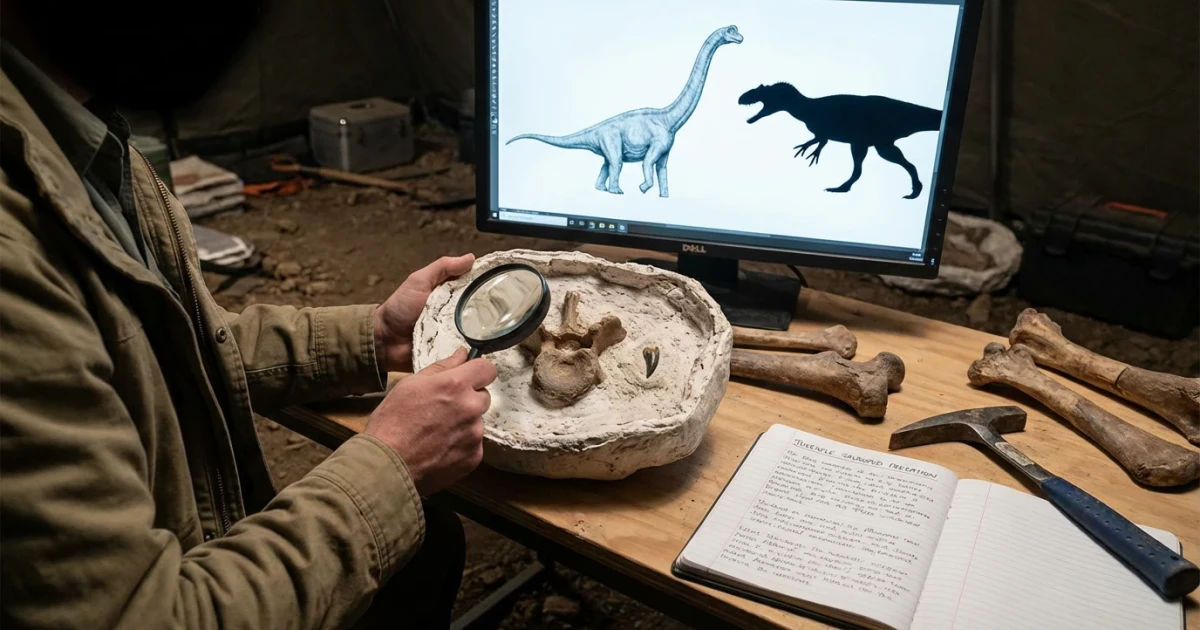
New paleontological research has uncovered that baby long-necked dinosaurs—known as sauropods—were frequent victims in the Late Jurassic food web, providing a crucial piece to the puzzle of how these ancient giants survived and evolved. The findings shed light on the precarious early lives of some of the most iconic dinosaurs in history.
The Vulnerability of Young Sauropods
Despite their enormous size as adults, baby sauropods were far from invincible. According to new reconstructions of the Late Jurassic ecosystem, these young dinosaurs were often considered a ‘perfect snack’ for a variety of predators. Their small size and lack of defensive adaptations made them easy targets compared to their massive, armored adult counterparts.
- Sauropods include some of the largest animals ever to walk the earth, such as Diplodocus and Brachiosaurus.
- While adults could reach lengths of up to 100 feet, hatchlings started life at a fraction of that size—making them accessible prey for carnivorous dinosaurs.
Piecing Together the Jurassic Food Web
Researchers used fossil evidence and food web modeling to reconstruct predator-prey relationships from the Late Jurassic period. Their findings indicate that baby sauropods were a staple in the diet of predatory dinosaurs, which included both small and large theropods. This frequent predation likely played a significant role in shaping sauropod behavior and growth patterns.
- Predators such as Allosaurus would have targeted vulnerable young dinosaurs.
- The high rate of predation may help explain why sauropods laid many eggs, giving their species a better chance for some individuals to survive to adulthood.
Implications for Dinosaur Evolution
This new understanding of sauropod vulnerability adds depth to the evolutionary story of these dinosaurs. The constant threat from predators may have driven the evolution of rapid growth in sauropods, allowing them to outgrow the predation risk as quickly as possible. It also highlights the complex dynamics of ancient ecosystems, where even the mightiest giants began life as prey.
Changing Perspectives on Prehistoric Life
By reconstructing ancient food webs, scientists not only reveal the challenges faced by young dinosaurs but also provide insight into the strategies that allowed species like sauropods to dominate their environments despite their vulnerable beginnings. While the idea of giant dinosaurs is familiar, this research reminds us that their survival was never guaranteed—especially in their earliest days.
For further reading on sauropod evolution and Jurassic predators, visit the official Natural History Museum Dinosaur Directory.
Sources
- [1]KSL.com