Lifestyle
Tips for Healthier Pasta Choices at Italian Restaurants
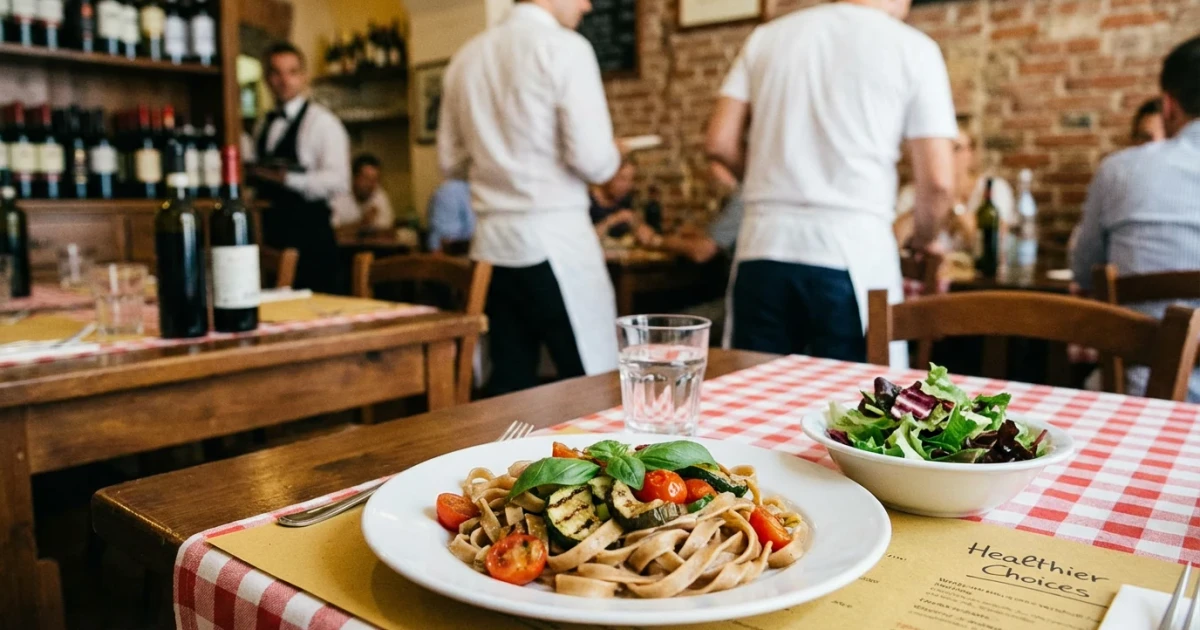
Italian cuisine is synonymous with comforting pasta dishes, but for health-conscious diners, navigating the menu can pose challenges. Dietitians emphasize that with thoughtful choices, it’s possible to enjoy flavorful Italian meals without sacrificing nutrition.
Understanding Pasta Nutrition
Pasta itself is not inherently unhealthy. According to USDA FoodData Central, a cup of cooked, unenriched spaghetti contains approximately 221 calories, 8 grams of protein, and less than 1 gram of fat. However, the health profile of a pasta dish is shaped by sauces, add-ins, and portion sizes.
Whole wheat pasta offers additional benefits, with higher fiber and micronutrient content than its white flour counterpart. Choosing whole wheat can help diners feel fuller and support digestive health.
Sauces: The Key to Healthier Choices
Dietitians interviewed by Tasting Table recommend focusing on tomato-based sauces like marinara rather than creamy options such as Alfredo. Tomato sauces are typically lower in calories and saturated fat, and they offer antioxidants like lycopene. In contrast, cream-based sauces often contain more sodium and saturated fat, which can contribute to heart disease risk if consumed in excess.
For those watching added sugar, it’s wise to ask how the sauce is made, as some restaurants add sugar for sweetness. The CDC recommends limiting added sugars to help avoid excess calorie intake and associated health risks.
Smart Swaps and Add-Ons
- Opt for whole wheat or legume-based pastas when available, which boost fiber and protein content.
- Request extra vegetables, such as spinach, broccoli, or mushrooms, to increase the dish’s volume and nutrient density without many added calories.
- Choose lean protein add-ons like grilled chicken or shrimp instead of fatty meats or sausage.
Dietitians note that these swaps can help balance the meal, keeping blood sugar more stable and increasing satiety.
Portion Control and Sharing
Restaurant pasta servings are often much larger than recommended portions. Dietitians suggest splitting entrées or asking for a half-portion. Some recommend starting with a salad or broth-based soup to avoid overeating pasta. According to portion guidance from the FDA’s Nutrition Facts Label explainer, a typical serving of cooked pasta is about one cup—significantly less than what many restaurants serve.
Making Mindful Menu Choices
When scanning a menu, look for dishes described as "grilled," "roasted," or "steamed," and be cautious of items labeled "crispy" or "fried." Dietitians also recommend requesting sauce on the side and using a modest amount to control calories and sodium.
Studies such as the Moli-sani Study suggest that pasta consumption, especially when part of a balanced Mediterranean diet, is not linked to increased risk of obesity. Instead, the overall pattern of eating—including vegetables, lean proteins, and moderate portions—is most important.
Summary
Enjoying pasta at Italian restaurants can fit a healthy lifestyle with a few adjustments. Choosing tomato-based or vegetable-forward dishes, opting for whole grain pasta, watching portion sizes, and making smart protein choices all help. As dietitians point out, it’s less about avoiding pasta and more about how you order and customize your meal.