US News
Top Counterterrorism Aide Steps Down Over Iran War
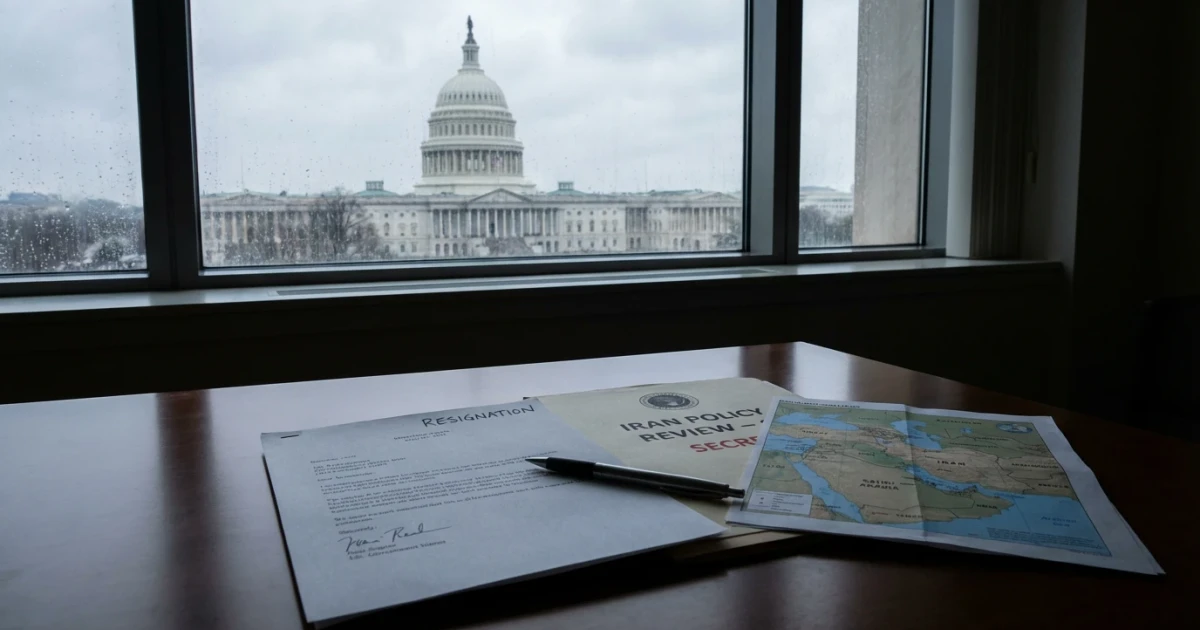
The Trump administration’s top counterterrorism aide has resigned, citing deep concerns over the justification for the ongoing U.S. military operations against Iran, according to multiple news outlets. The official, whose departure was first reported by Politico and confirmed by CBS8 and BreakingTheNews.net, stated that Iran did not present an imminent threat to the United States at the time military action began—a claim that directly challenges the administration’s public rationale for the conflict.
Resignation and Rationale
Politico reported that the aide, a Trump-appointed intelligence official responsible for counterterrorism strategy, submitted a formal resignation letter on Monday. In the letter, the official expressed opposition to the administration’s decision to engage in direct military action against Iran without what they believed to be sufficient evidence of an urgent threat to U.S. national security.
CBS8 highlighted the official’s statement that “Iran posed no imminent threat to our nation”, reflecting a significant internal disagreement within the national security apparatus. BreakingTheNews.net echoed these accounts, underscoring that the resignation was prompted by the official’s inability to support the administration’s justification for the conflict.
Background: Iran War and Policy Debate
The Trump administration’s military actions against Iran have been a subject of intense debate since their initiation. The president and senior officials have frequently cited national security and counterterrorism as primary drivers, often referencing Iran’s activities in the region and its links to proxy groups as evidence of an ongoing threat. However, the claim that Iran posed an imminent threat has been a point of contention both within government and in the broader policy community.
Congress has responded with efforts to reassert oversight of military engagement. The War Powers Resolution and recent House votes have sought to limit presidential authority to conduct operations against Iran without explicit legislative approval. The detailed roll call vote on these measures reflects ongoing divisions regarding both the necessity and legality of military actions.
The resignation also comes amid continued renewal of the national emergency with respect to Iran, a legal framework that has underpinned many executive branch actions against the country since 1979. Recent congressional hearings have seen lawmakers and officials debate the scope and future of U.S. policy toward Iran, with experts testifying on the strategic, legal, and humanitarian implications of the conflict.
Implications for U.S. Policy and Security
- All three outlets—Politico, CBS8, and BreakingTheNews.net—agree that the resignation sends a strong signal of internal dissent, particularly among intelligence professionals tasked with assessing foreign threats.
- The departing official’s statement that Iran was not an imminent threat adds to scrutiny of White House decision-making processes and intelligence assessments.
- The episode follows ongoing debate over the use of existing Authorizations for Use of Military Force (AUMFs) and the legal justification for strikes against Iranian targets.
While the Trump administration maintains that the Iran campaign is essential to protecting U.S. interests and countering terrorism, critics—including some within its own ranks—argue that escalation risks further destabilizing the region and entangling the U.S. in open-ended conflict.
Looking Ahead
The resignation of the top counterterrorism aide is likely to intensify congressional and public scrutiny of the administration’s policies. Lawmakers may press for greater transparency around intelligence assessments and require more robust justifications for future military action. Meanwhile, the broader debate over the balance of power between Congress and the executive branch on matters of war powers is expected to continue, especially as new security challenges arise.
For readers seeking to understand the legal frameworks, policy debates, and ongoing congressional oversight of U.S. actions against Iran, resources such as the House Foreign Affairs Committee hearing transcripts and detailed analysis of State Department terrorism reports offer further context.
As the situation develops, the departure of a senior counterterrorism voice underscores the complexity and controversy surrounding U.S. policy toward Iran—raising fresh questions about the intersection of intelligence, military action, and democratic oversight.