Politics
Top House Democrat to Miss State of the Union
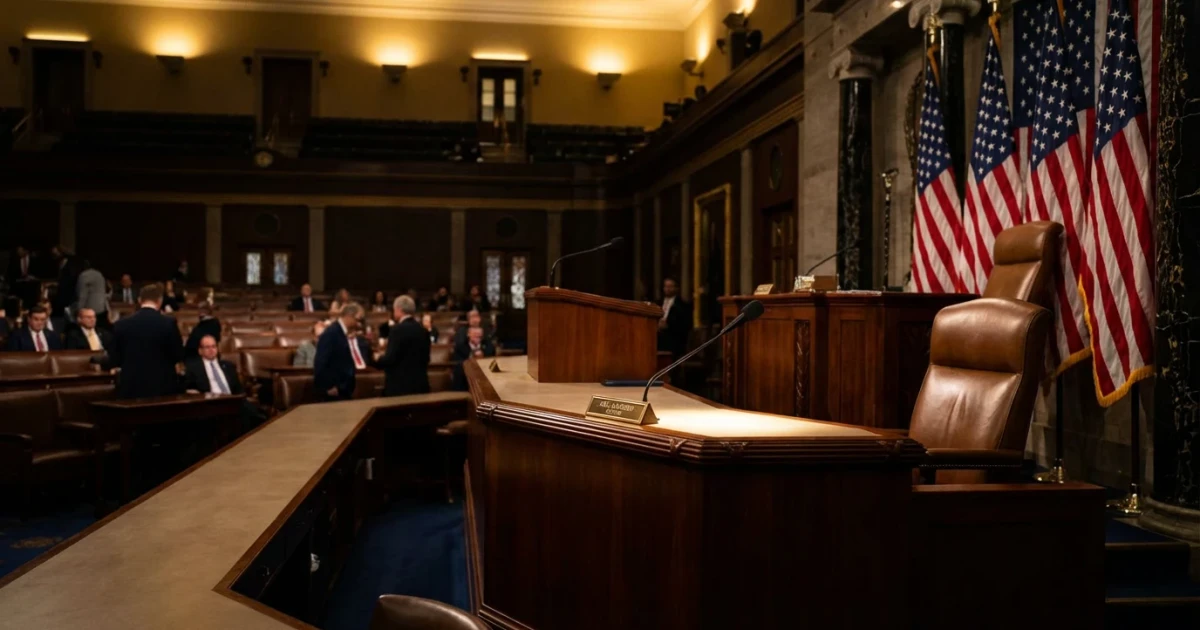
Rep. Katherine Clark, the No. 2 Democrat in the U.S. House of Representatives, will not attend the upcoming State of the Union address, as reported by Politico. Her absence marks a notable moment in congressional tradition, especially given her leadership role within the House Democratic caucus.
Leadership Absence Draws Attention
The State of the Union address is one of the most high-profile events on the congressional calendar, with top lawmakers from both parties typically in attendance. As the House Democratic Whip, Clark’s absence is significant, making her one of the highest-ranking members to skip the event in recent years.
Tradition and Historical Context
The tradition of the State of the Union, outlined in the Constitution and detailed in the U.S. House of Representatives’ own archives, typically sees near-universal attendance from leading members of Congress. Absences are rare and often attract attention, especially when they involve party leadership. While the reasons for Clark's absence were not specified in the initial Politico report, such a move can be interpreted in multiple ways—ranging from personal obligations to broader political statements.
Clark’s Role in the House
As Democratic Whip, Clark is responsible for coordinating party strategy and managing legislative priorities. She has played a key role in shepherding Democratic initiatives through the House and is known for her high attendance and participation in critical votes. Data from GovTrack shows that Clark has maintained a strong voting record with few missed votes, making her absence from a marquee event even more noteworthy.
- The State of the Union provides a platform for the President to outline policy priorities and for congressional leaders to demonstrate unity or dissent.
- Clark’s absence will be reflected in the official attendance records kept by the House Clerk.
Looking Ahead
With the State of the Union address shaping the legislative agenda for the coming year, the absence of a key House leader like Clark could influence perceptions within her caucus and among the public. While absences from the address are unusual for leadership, they have occurred for a variety of reasons throughout history. Observers will be watching to see if Clark or her office provides further clarification in the days ahead, and whether her absence signals any underlying political dynamics or is simply a personal matter.
For more on the history and significance of the State of the Union address, readers can explore the official archive and fact sheets maintained by the U.S. House of Representatives.