Entertainment
Top Producers Questioned Over Paramount-Warner Bros. Merger Stance
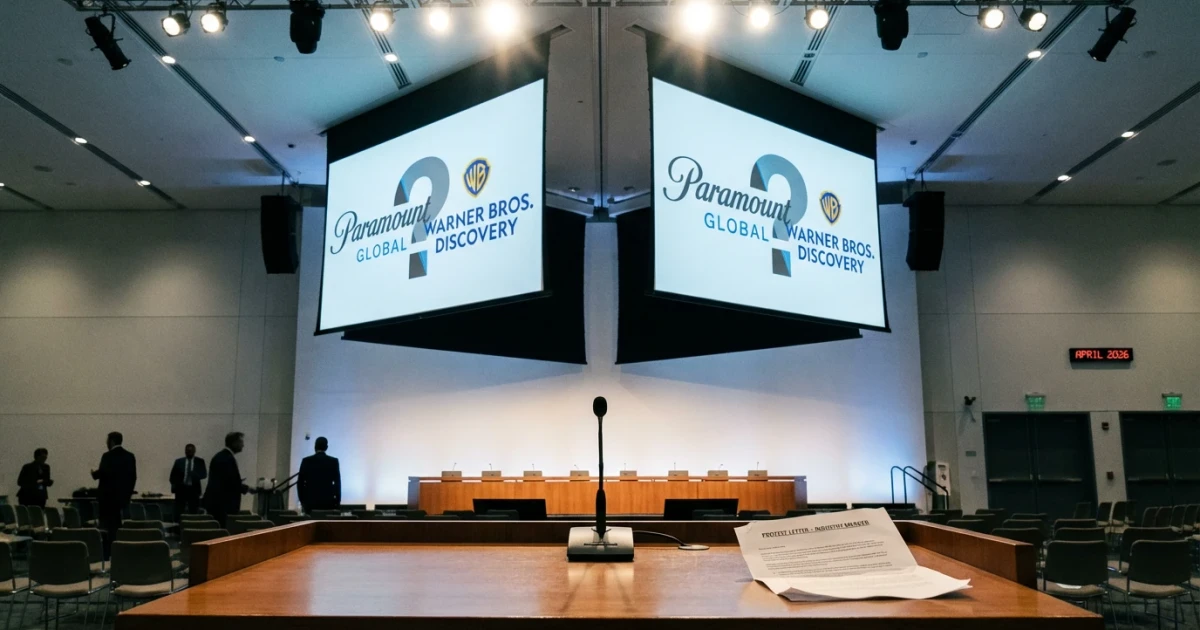
Leading film producers Jerry Bruckheimer and Emma Thomas were questioned at CinemaCon after declining to sign a protest letter opposing the proposed merger between Paramount Global and Warner Bros. Discovery. The issue has become a focal point in the ongoing debate over industry consolidation, drawing vocal objections from some of Hollywood’s most prominent talent.
Industry Tensions Erupt at CinemaCon
The annual CinemaCon event, known as a key gathering for theater owners and filmmakers, became a flashpoint for Hollywood’s mounting anxiety over the potential Paramount-Warner Bros. Discovery merger. During a high-profile panel, Bruckheimer and Thomas—both renowned for their blockbuster productions—were pressed by peers and moderators about their absence from a protest letter that has garnered support from other industry figures.
The letter, circulated ahead of CinemaCon, was signed by notable actors and producers calling on regulators to scrutinize the merger. Florence Pugh and Pedro Pascal are among those leading the charge, advocating for greater transparency and caution regarding further consolidation in Hollywood.
Concerns Over Industry Consolidation
Opponents of the merger point to concerns about reduced competition, job losses, and diminished creative opportunities. According to Variety, Florence Pugh and Pedro Pascal have been particularly outspoken, arguing that the deal could undermine diversity and innovation within the entertainment sector.
- Pugh and Pascal have called for the U.S. Department of Justice’s Antitrust Division to investigate the merger’s potential impact on the film and television landscape.
- The merger would bring together two of Hollywood’s largest studios, potentially giving the combined entity control over a significant portion of box office revenue and content production.
- Industry analysts note that such consolidation could further concentrate power among a handful of major players, raising questions about market competition and access for independent filmmakers.
Bruckheimer and Thomas Decline to Join Protest
Despite the groundswell of opposition, Jerry Bruckheimer and Emma Thomas chose not to sign the protest letter. At CinemaCon, they were pressed repeatedly to explain their decision. While neither producer made a public statement during the panel, Deadline reported that some attendees interpreted their silence as a sign of neutrality or a reluctance to wade into the increasingly politicized debate.
Their decision stands in contrast to the high-profile involvement of other industry leaders, highlighting divisions within Hollywood over how to respond to the wave of mergers and acquisitions that has reshaped the media landscape in recent years. For some, abstaining from the protest reflects a pragmatic approach, as both Bruckheimer and Thomas have ongoing projects with major studios, including those involved in the proposed merger.
Regulatory and Financial Implications
The proposed merger is expected to face rigorous review from both the Department of Justice and the Federal Trade Commission, which have both increased scrutiny of large media deals in recent years. Paramount Global and Warner Bros. Discovery have each filed initial disclosures with the Securities and Exchange Commission, outlining the anticipated synergies and strategic rationale for the merger. Investors and industry observers are closely tracking these SEC filings from Paramount Global and Warner Bros. Discovery for updates on regulatory progress and stakeholder responses.
While proponents argue that consolidation is necessary to compete with global streaming giants, critics warn that fewer major studios could limit consumer choice and reduce the bargaining power of talent and creatives.
Hollywood’s Divided Response
The CinemaCon episode underscores the fractured nature of Hollywood’s response to industry consolidation. Some see resistance as essential to protecting creative diversity and labor rights; others view strategic partnerships and mergers as a pathway to survival in a rapidly changing media environment.
With regulatory reviews underway and public debate intensifying, it remains to be seen whether high-profile abstentions like those of Bruckheimer and Thomas will influence the outcome or if opposition from actors and producers such as Pugh and Pascal will gain traction with policymakers.
As the merger process unfolds, Hollywood’s divisions are likely to deepen, shaping the future of film and television production for years to come.