Lifestyle
Top Sushi Restaurants Face Criticism for High Prices and Predictable Menus
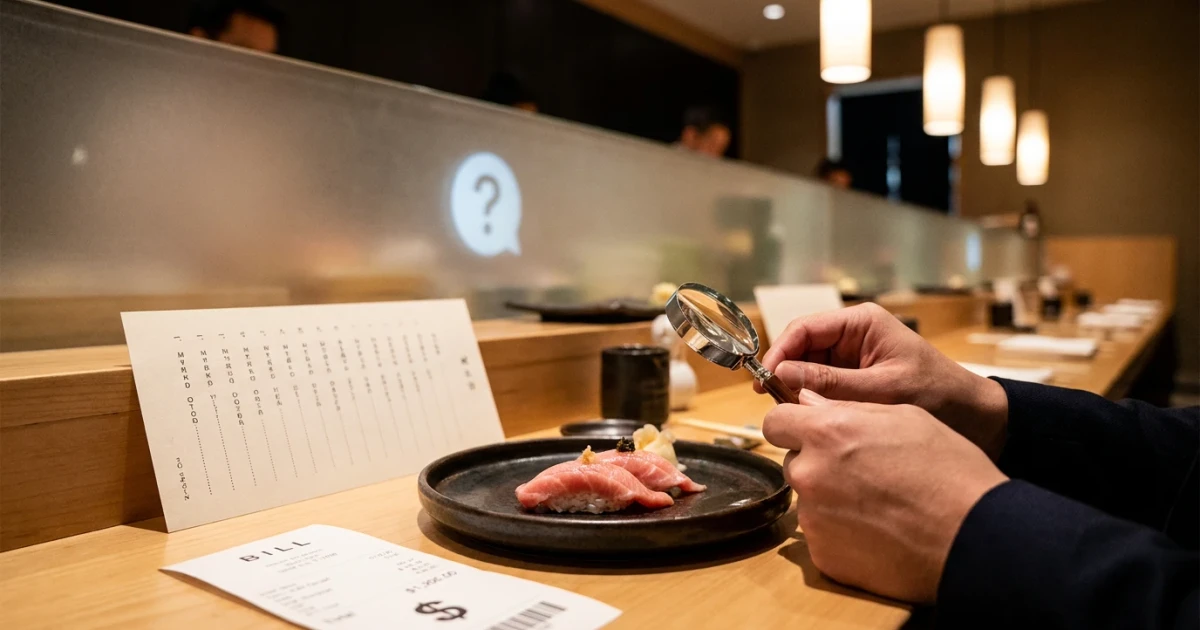
High-end sushi restaurants have long been considered the pinnacle of fine dining, but a recent wave of criticism suggests that for many diners, the experience is leaving them both financially drained and creatively underwhelmed. While establishments boast pristine ingredients and exacting technique, questions are growing around whether the cost and format of these meals still excite or merely exhaust patrons.
Soaring Prices at Elite Sushi Counters
Over the past decade, the price of omakase meals—the chef’s tasting menu central to top-tier sushi—has soared. According to industry statistics, the average bill for a high-end sushi dinner in cities like New York and Tokyo can easily exceed $300 per person, with some exclusive venues charging substantially more. The Michelin Guide’s data shows a steady increase in the number of sushi restaurants earning stars, but also notes the premium placed on rare seafood and expert preparation. For many diners, the anticipation of such a meal is matched only by the sticker shock that arrives with the check.
- The U.S. sushi restaurant market was valued at over $22 billion in 2023, driven largely by high-end experiences.
- Top omakase menus in New York City now regularly command prices above $400 per person.
- In Tokyo, some legendary counters reach $500 or more for the chef’s selection.
Creative Consistency or Predictable Repetition?
While the technical prowess of sushi chefs is almost universally acknowledged, critics—including those writing for The New York Times—have begun to question the creative stagnation at the upper echelons of the industry. Omakase meals, once thrilling for their chef-driven improvisation, now often follow a familiar sequence: glistening slices of fatty tuna, imported uni, and meticulously scored squid, each served in a hushed, temple-like setting. As The New York Times observed, the ritual can feel more like a procession than a discovery.
This sameness, combined with rising prices, prompts diners to wonder about the value proposition. Are they paying for culinary innovation, or simply the privilege of exclusivity?
Why Is Sushi So Expensive?
The cost of omakase is driven by several factors. First, the global demand for premium fish—especially species like bluefin tuna and uni—has sent market prices higher. According to a recent analysis by The Japan Times, inflation and supply chain challenges have driven up the cost of key ingredients in both Japan and abroad. Labor costs also play a role; the Bureau of Labor Statistics reports that chefs and head cooks at high-end establishments command some of the highest wages in the restaurant industry.
Additionally, sushi’s reputation for utmost freshness requires rapid shipping and careful handling, further inflating costs. Strict food safety regulations in the U.S. and abroad add another layer of expense.
What Diners Are Saying
Many enthusiasts remain loyal to the omakase tradition, arguing that the subtlety and technique justify the investment. Others, however, echo The New York Times’ critique: even at the city’s most celebrated counters, the experience can feel formulaic. The pressure to deliver perfection may be stifling the spirit of experimentation that once defined the genre.
Looking Ahead
With more high-end sushi restaurants opening each year and competition intensifying, some chefs are beginning to experiment with new formats, ingredients, and presentation styles in hopes of reigniting excitement. Whether these efforts will convince skeptical diners remains to be seen, but the debate highlights a broader challenge for luxury dining: balancing tradition, creativity, and cost in a rapidly evolving landscape.