Lifestyle
Top Travel Spots for Allergy Sufferers Seeking Relief
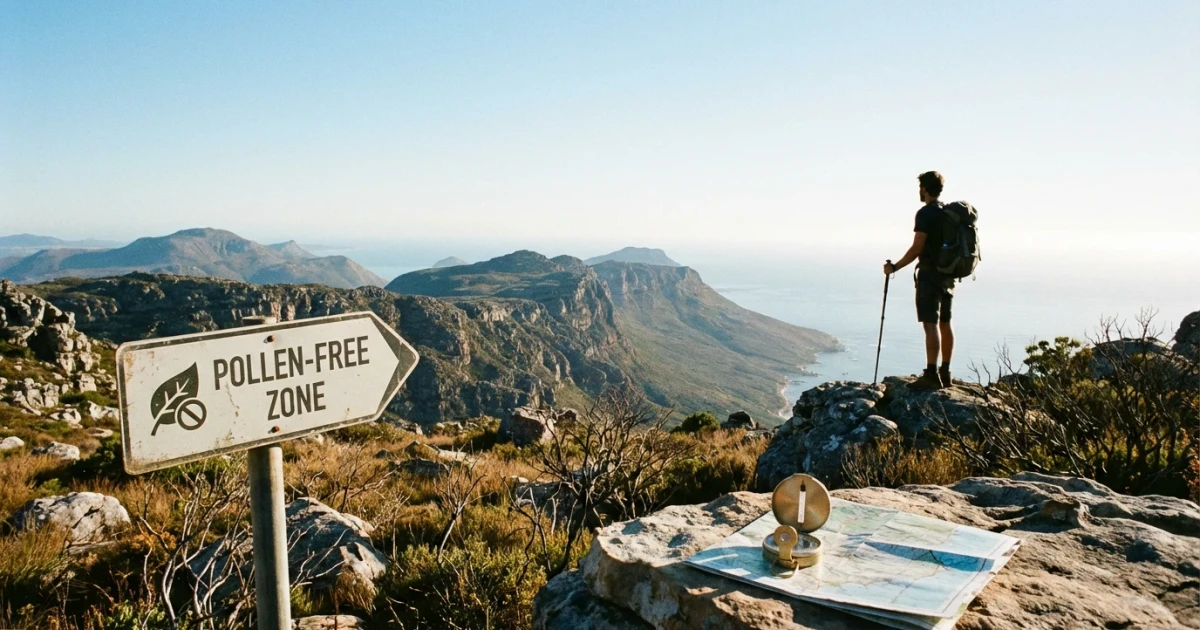
With pollen allergies affecting millions worldwide, many travelers are seeking destinations that offer relief from common triggers such as tree, grass, and weed pollens. Recent coverage from The Weather Channel highlights a growing trend: allergy sufferers planning international getaways specifically to escape high pollen counts at home. By examining global pollen data, medical research, and expert recommendations, this article explores the best strategies and destinations for those looking to breathe easy while abroad.
Why Pollen Allergies Impact Travel Plans
Pollen allergies, also known as pollen allergy or allergic rhinitis, can trigger symptoms ranging from sneezing and itchy eyes to more severe respiratory issues. According to the CDC, over 60 million Americans experience allergies each year, with pollen among the leading culprits. The World Allergy Organization notes that the global prevalence of allergic rhinitis varies widely by region, making some destinations more attractive for those seeking relief.
How to Find Low-Pollen Destinations
The Weather Channel recommends consulting real-time and historical pollen maps before booking travel. Resources like the European Aeroallergen Network's country-level pollen data and The Weather Channel's interactive pollen map allow travelers to compare pollen counts across regions and seasons.
- Coastal cities typically have lower pollen levels due to prevailing winds and fewer allergenic plants.
- High-altitude destinations often report lower pollen counts, as certain plants cannot thrive at elevation.
- Urban centers may offer partial relief, though air pollution could be a trade-off for some individuals.
Top International Destinations for Allergy Relief
Drawing on The Weather Channel's recommendations and pollen data, several vacation spots stand out for allergy sufferers:
- Reykjavik, Iceland: Thanks to its sparse vegetation and cool climate, Iceland's capital has consistently low pollen counts.
- Cape Town, South Africa: The coastal breeze and unique plant species reduce common allergens found in the Northern Hemisphere.
- Melbourne, Australia (off-season): During the Southern Hemisphere winter, grass pollen levels drop significantly.
- Lisbon, Portugal: With ocean winds and moderate flora, pollen counts are often lower than inland European cities.
- Bermuda and Caribbean Islands: These islands offer ocean breezes and fewer allergenic plants, making them perennial favorites for allergy-prone travelers.
Travelers can verify current and forecasted pollen conditions for these destinations using official resources like the UK Met Office pollen forecast or local meteorological services.
Timing and Preparation Are Key
Pollen seasons differ drastically by hemisphere and region. For example, while spring in North America means peak tree pollen, the same period in the Southern Hemisphere may offer respite. The Weather Channel advises allergy sufferers to:
- Travel outside of the local peak pollen season
- Monitor daily pollen forecasts before and during the trip
- Pack allergy medications and consult with a healthcare provider about travel plans
Research Supports Strategic Travel Planning
Peer-reviewed research on global allergy prevalence and risk factors confirms that geography, climate, and vegetation all play critical roles in exposure risk. For example, arid regions and islands often report lower rates of pollen-related symptoms. The World Allergy Organization further emphasizes that understanding local pollen types is crucial, as a person allergic to birch pollen might not react to the endemic plants of another continent.
Looking Ahead
As awareness grows and more travelers prioritize health in their vacation planning, the demand for low-pollen destinations is likely to rise. By leveraging up-to-date resources, travelers with allergies can make informed decisions, enjoying their journeys with less worry and greater comfort.