Lifestyle
Top U.S. Cities for Walkable Vacations
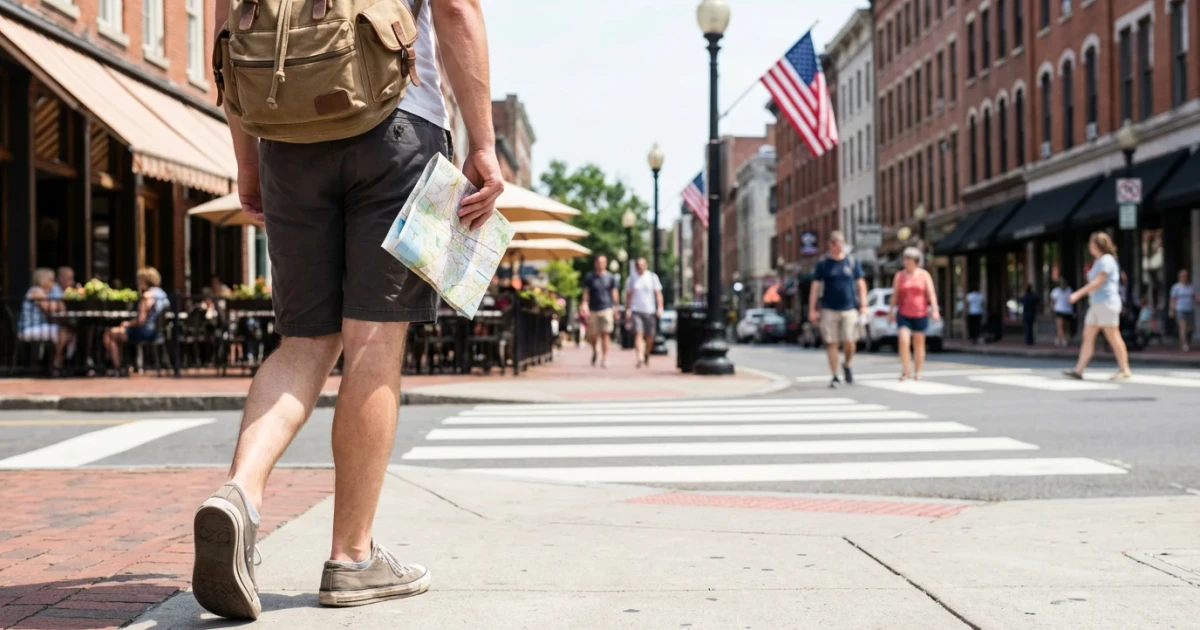
As more travelers look to combine convenience, sustainability, and local immersion, walkable vacations are seeing a surge in popularity across the United States. According to The Washington Post, seven U.S. destinations offer some of the best experiences for those who prefer to explore on foot. Drawing on recent data and urban studies, these destinations are leading the way in pedestrian-friendly design, vibrant neighborhoods, and easy access to local culture.
Why Walkability Matters
Walkable cities aren’t just about scenic strolls—they’re linked to better health outcomes, economic vitality, and a reduced environmental footprint. The Centers for Disease Control and Prevention’s Walkable Communities Initiative highlights how pedestrian-friendly areas support physical activity and community engagement. Similarly, the Foot Traffic Ahead 2023 report from Smart Growth America underscores the economic and social benefits of walkable urban places.
America’s Top Walkable Vacation Destinations
The Washington Post identified the following seven destinations as standouts for walkable vacations, each offering unique attractions, strong public transit, and neighborhoods designed with pedestrians in mind:
- New York City, NY: With its top-tier Walk Score, dense grid of sidewalks, and world-class public transit, Manhattan and Brooklyn are synonymous with walkable exploration. Visitors can easily access museums, parks, and dining without a car.
- San Francisco, CA: Known for its compact neighborhoods and scenic hills, San Francisco offers iconic walking experiences—from Fisherman’s Wharf to Golden Gate Park. The city’s network of urban parks, highlighted in National Park Service urban statistics, provides green spaces just steps from bustling streets.
- Boston, MA: As one of America’s oldest cities, Boston’s compact layout and historic sites make it ideal for sightseeing on foot. The Freedom Trail connects landmarks, and neighborhoods like Back Bay and Beacon Hill are both charming and accessible.
- Washington, D.C.: The nation’s capital boasts wide sidewalks, pedestrian-friendly avenues, and a subway system that connects major attractions. The National Mall and surrounding museums are easily walkable, and the city’s green spaces enhance the experience.
- Chicago, IL: Chicago’s lakefront, diverse neighborhoods, and extensive park system—including Millennium Park—make it a pedestrian’s delight. The city consistently ranks highly in national walkability surveys.
- Seattle, WA: With vibrant downtowns, waterfront walks, and easy access to markets and local shops, Seattle’s topography and urban planning encourage exploration without a car. The city is also investing in new pedestrian infrastructure.
- Philadelphia, PA: Known for its grid layout and historical districts, Philadelphia offers walkable access to both colonial-era sites and modern amenities. Its neighborhoods blend history with contemporary culture, all navigable on foot.
What Makes These Cities Stand Out
Beyond their high Walk Score rankings, these cities share several key attributes:
- Dense, mixed-use neighborhoods that combine housing, dining, shopping, and attractions within compact areas
- Comprehensive public transit systems that complement walking and reduce dependence on cars
- Vibrant public spaces and urban parks—as profiled by the National Park Service
- Historic and cultural sites accessible by foot, allowing for immersive, local experiences
The Brookings Institution’s analysis on walkable urbanism further explains that walkable places tend to attract higher real estate values, more diverse businesses, and increased tourism.
Planning a Walkable Vacation
Travelers interested in walkable getaways can use tools like the AARP Walkability Audit Tool to assess neighborhoods or consult interactive maps from the U.S. Census Bureau for urban population density and amenities.
Choosing a walkable city not only makes sightseeing easier but also supports local economies, reduces carbon footprints, and fosters a deeper connection with the destination. As American cities continue to invest in pedestrian infrastructure, the appeal of car-free vacations is likely to grow.
Looking Ahead
With walkability becoming a defining feature of vibrant urban destinations, these seven U.S. cities serve as models for sustainable travel and city planning. As more travelers seek authentic, healthy, and environmentally conscious experiences, the trend toward walkable vacations is poised to expand—even as cities large and small strive to improve their pedestrian credentials.