US News
Top US Counterterrorism Official Joe Kent Resigns Amid Iran War Controversy
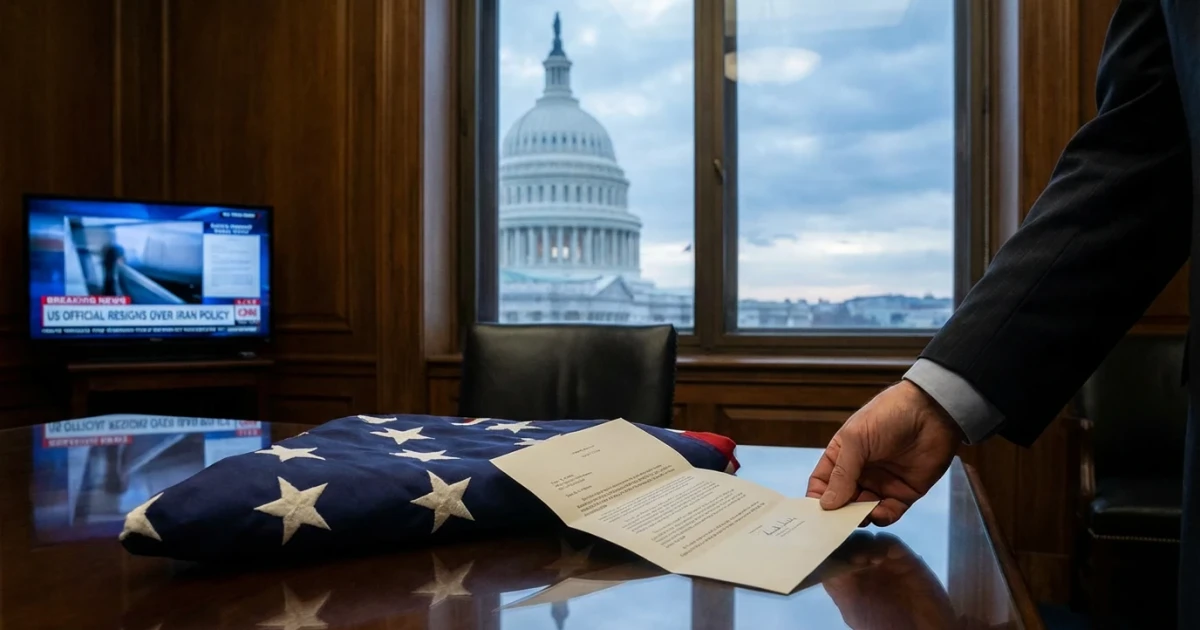
Joe Kent, the highest-ranking counterterrorism official in the US government, has resigned in protest over President Trump's military campaign against Iran, raising questions over the justification for the conflict and the direction of American counterterrorism policy.
Senior Official Steps Down Amid Escalating Conflict
Kent's resignation comes as the US intensifies its military operations against Iran, a move that has drawn both domestic and international scrutiny. Sky News reported that Kent, a key figure in shaping US counterterrorism strategy, submitted his resignation on Monday, marking a rare public rebuke from within the administration. According to PBS, Kent directly cited the Trump administration's decision to pursue war with Iran as the primary reason for his departure.
Dispute Over Imminent Threat Assessment
Central to Kent's resignation is his assertion that Iran did not pose an imminent threat to the United States at the time military action was launched. PBS highlighted that Kent, who oversaw intelligence and threat assessments, disputed the administration's claims that urgent action was necessary to prevent Iranian attacks on US interests. This position challenges the rationale provided by the White House and Pentagon for initiating hostilities.
- Kent stated there was "no imminent threat" posed by Iran, directly contradicting administration statements.
- The official's departure underscores divisions within US intelligence and policy circles about the necessity and timing of military escalation.
Kent's stance aligns with broader policy debates over the use of force and the interpretation of intelligence, issues that have historically complicated US counterterrorism operations. Congressional Research Service analysis has previously noted the challenges of intelligence interpretation in justifying military action abroad.
Background and Role in Counterterrorism
Before his resignation, Kent served as the top official responsible for coordinating US efforts to prevent and respond to terrorist threats. His role included overseeing intelligence sharing, setting policy priorities, and working with international partners. Sky News described Kent as a pivotal figure in the administration's global counterterrorism initiatives, with a track record of service across multiple US agencies.
- Kent managed high-level assessments of threats from state and non-state actors, including Iran and its regional proxies.
- He played a key part in implementing US counterterrorism strategies and reporting to Congress on program outcomes.
Implications for US Counterterrorism Policy
Kent's resignation raises significant questions about the unity and direction of US counterterrorism leadership during a period of heightened conflict. Both Sky News and PBS noted that his departure may signal deeper disagreements within the government over how threats are assessed and acted upon. The resignation also comes as US agencies face pressure to justify the legal and strategic basis for military actions against Iran.
Past National Security Division reports have documented the complexities of attributing imminent threats and the balance between intelligence caution and decisive action. As the US continues its operations in the Middle East, the absence of a seasoned counterterrorism leader could complicate coordination among agencies and partners.
International and Domestic Reaction
The resignation has drawn international attention, with allies and observers weighing the implications for both the conflict with Iran and broader US security policy. Perception of Iran’s threat level and the legitimacy of US military action continue to be debated among policymakers and analysts, as seen in recent research on Iran’s regional networks. Domestically, Kent's public break with the administration could fuel ongoing legislative oversight and public debate over the conduct of the war.
Looking Ahead
As the US-Iran conflict unfolds, Joe Kent's resignation is likely to have lasting repercussions for American counterterrorism policy. The departure of such a senior official over disagreements about the existence of an imminent threat underscores the challenges of intelligence-driven decision making in times of crisis. The administration faces mounting calls for transparency regarding the evidence supporting military action, while agencies must adapt to the loss of a key leader as they confront evolving security threats.