US News
Top U.S. General Cautions Against Striking Iran
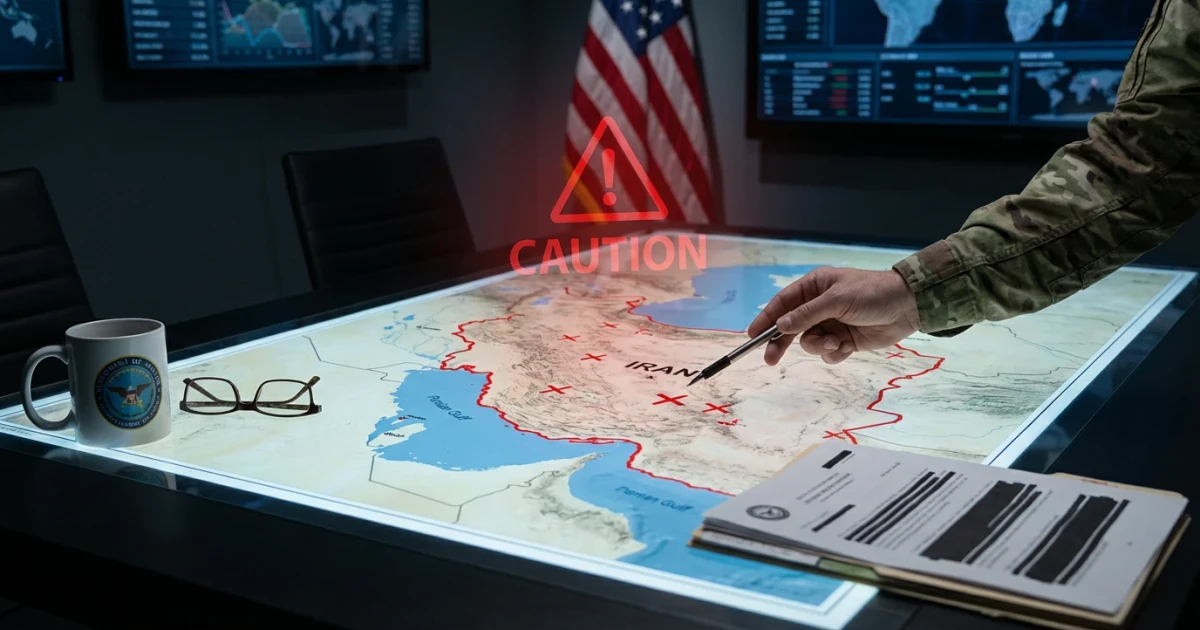
President Trump’s top military advisor has raised serious concerns about the risks associated with a potential U.S. military strike on Iran, warning that such action could lead to unpredictable escalation and threaten regional stability.
Military Leadership Highlights Dangers of Escalation
The general, whose warnings were first reported by The Washington Post and echoed by Axios, emphasized that while the United States maintains significant military advantages, an attack on Iran would present “acute risks” that could draw the country into a wider conflict. According to those reports, the general believes that while some policymakers may see a military victory as straightforward, the aftermath could be far more complex and destabilizing.
- Potential for Iranian Retaliation: Experts have long noted that Iran possesses extensive military capabilities, including ballistic missiles and regional proxy forces, which could be used to retaliate against U.S. interests and allies.
- Threat to Regional Stability: The risk of escalation extends beyond direct confrontation, with the possibility that Iranian-backed groups could target American bases or commercial shipping in the region, as detailed in recent terrorism reports.
- Uncertain Outcomes: Military analysts, including those cited by The Washington Post, argue that the Iranian military’s asymmetric warfare strategies could make a swift and decisive victory difficult to achieve.
Contrasting Views Within U.S. Leadership
Despite these warnings, President Trump has reportedly suggested that a strike on Iran could result in a quick and decisive U.S. victory. This contrast between civilian leadership and military advisors highlights ongoing debates within the administration over the best course of action regarding Iran.
The Washington Post reported that while the president is being presented with options for military action, his top general is urging caution, citing intelligence assessments and the potential for a drawn-out engagement.
Iran’s Military Capabilities and Response Scenarios
According to research from the RAND Corporation, Iran’s response to a U.S. attack could include missile strikes, cyberattacks, and attacks by proxy groups across the Middle East. The country’s ability to target U.S. forces and allies is well-documented in arms transfer data and military overviews.
- Iran controls a network of armed groups in the region, including in Iraq, Syria, Lebanon, and Yemen.
- Its ballistic missile arsenal is among the largest in the Middle East, with missiles capable of reaching U.S. bases in the region.
- Iran’s military doctrine emphasizes asymmetric warfare, making use of unconventional tactics to offset conventional disadvantages.
Regional and Global Implications
Experts warn that a military conflict with Iran could disrupt global oil markets, threaten commercial shipping in the Strait of Hormuz, and undermine ongoing diplomatic efforts related to Iran’s nuclear program. The risks of broader regional conflict, including the involvement of U.S. allies and Iranian proxies, remain high.
Analysis: Weighing the Costs of Action
While the possibility of military action against Iran remains a subject of debate within the U.S. government, the warnings from President Trump’s top general reflect a broader consensus among military and intelligence officials about the risks of escalation. As policymakers consider next steps, these assessments underscore the importance of carefully weighing the potential costs and consequences of any strike.
For readers interested in the technical and strategic context of Iran’s military strength, resources like the Congressional Research Service report and Council on Foreign Relations backgrounders provide in-depth analysis.
As the administration continues to deliberate, the situation remains fluid—highlighting the delicate balance between deterrence and the risk of conflict in the region.