World
Toronto air quality worsens as Ontario wildfires send smoke south
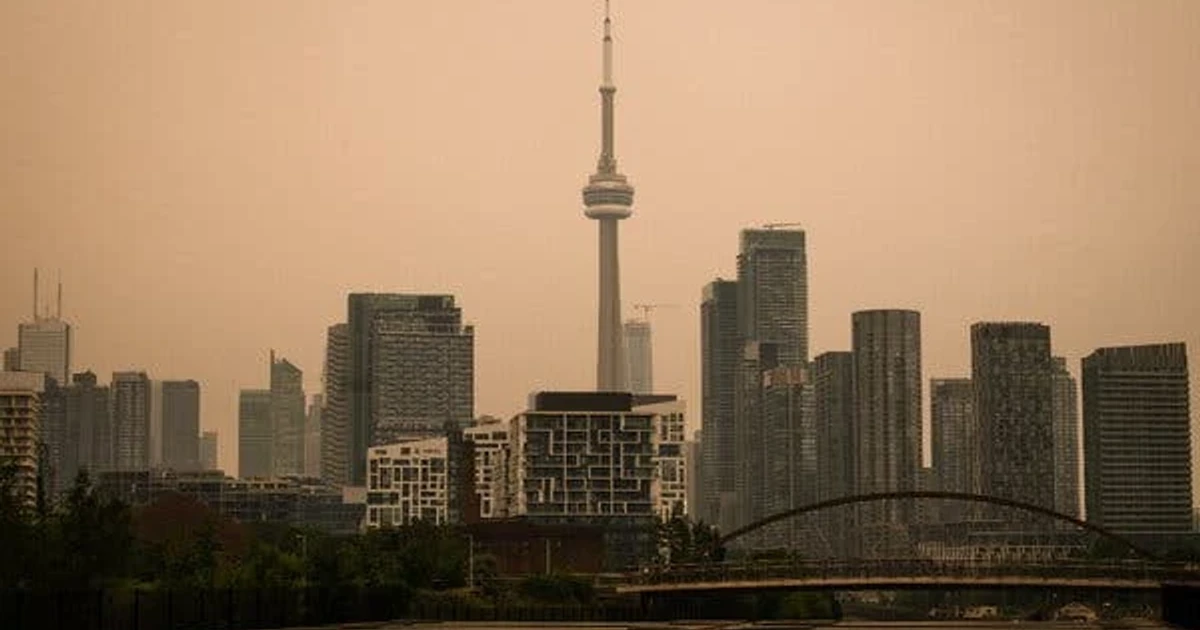
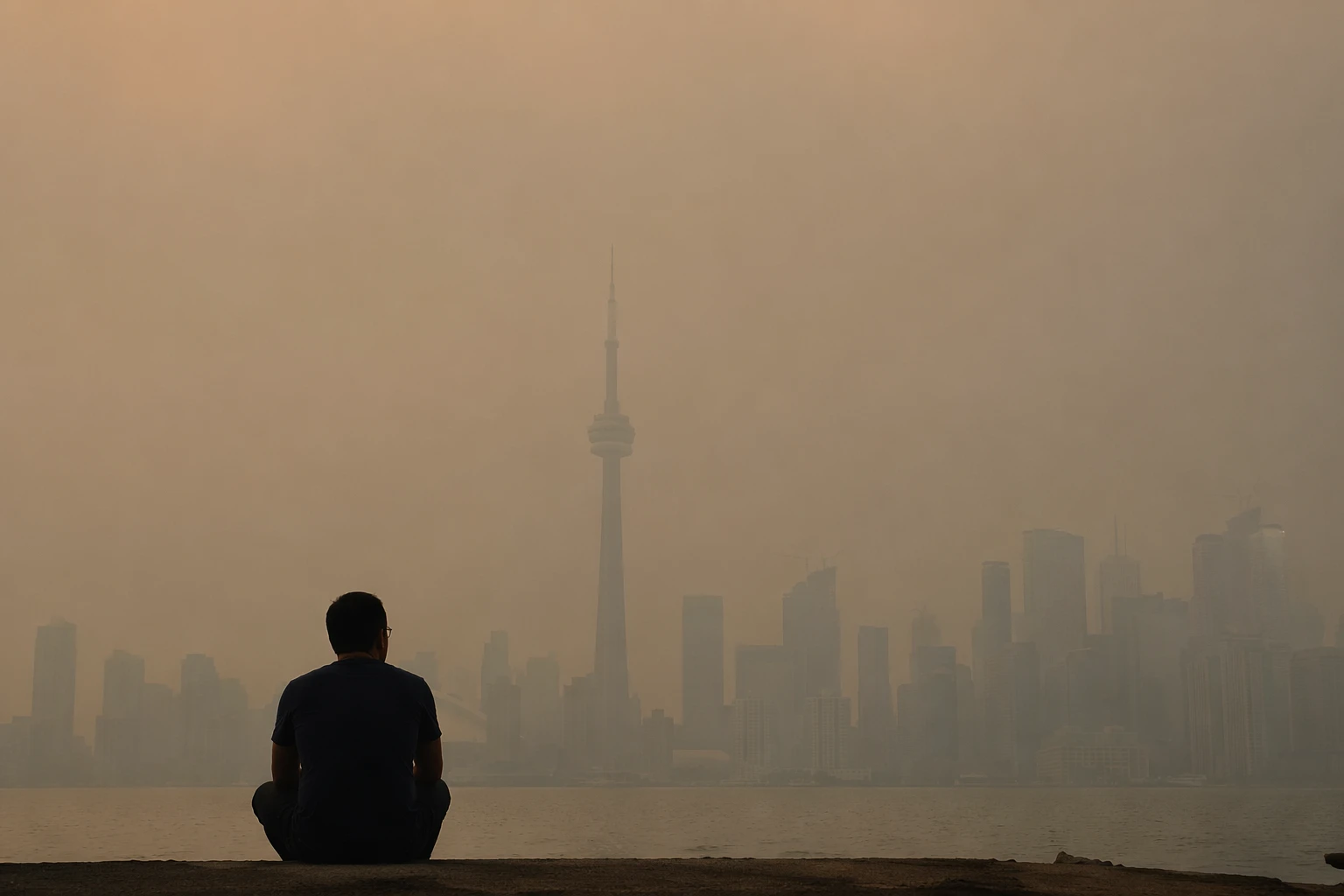
Toronto’s air quality ranked the worst among major cities globally on Wednesday as smoke from more than 150 wildfires in Ontario drifted south into New York City and beyond, turning a provincial fire outbreak into a cross-border public-health problem. City residents faced a concurrent heat warning, and officials urged people to limit outdoor activity as the haze thickened over Canada’s largest city.
The smoke was coming largely from fires in northwestern Ontario, where the wildfire season typically runs from April through October and monitoring systems are now being used daily to track conditions. Canada’s June 11 wildfire update said the country had recorded 1,747 wildfires so far in 2026, with 95 active fires, 44 of them out of control, and 166,400 hectares burned. Federal officials said overall wildfire activity remained below the five-year average, but fire danger continued to rise as summer advanced, especially in northern Ontario and Quebec.
In New York City, emergency managers activated the city’s heat emergency plan and warned that wildfire smoke from Canada could worsen local air quality. City officials pointed back to June 2023, when smoke from Canadian fires drove New York City’s air quality index to 465, a level that pushed conditions into the hazardous range. The warning reflected a growing pattern: smoke plumes can travel hundreds or even thousands of kilometers, and the same weather systems that trap heat can also hold pollution close to the ground.
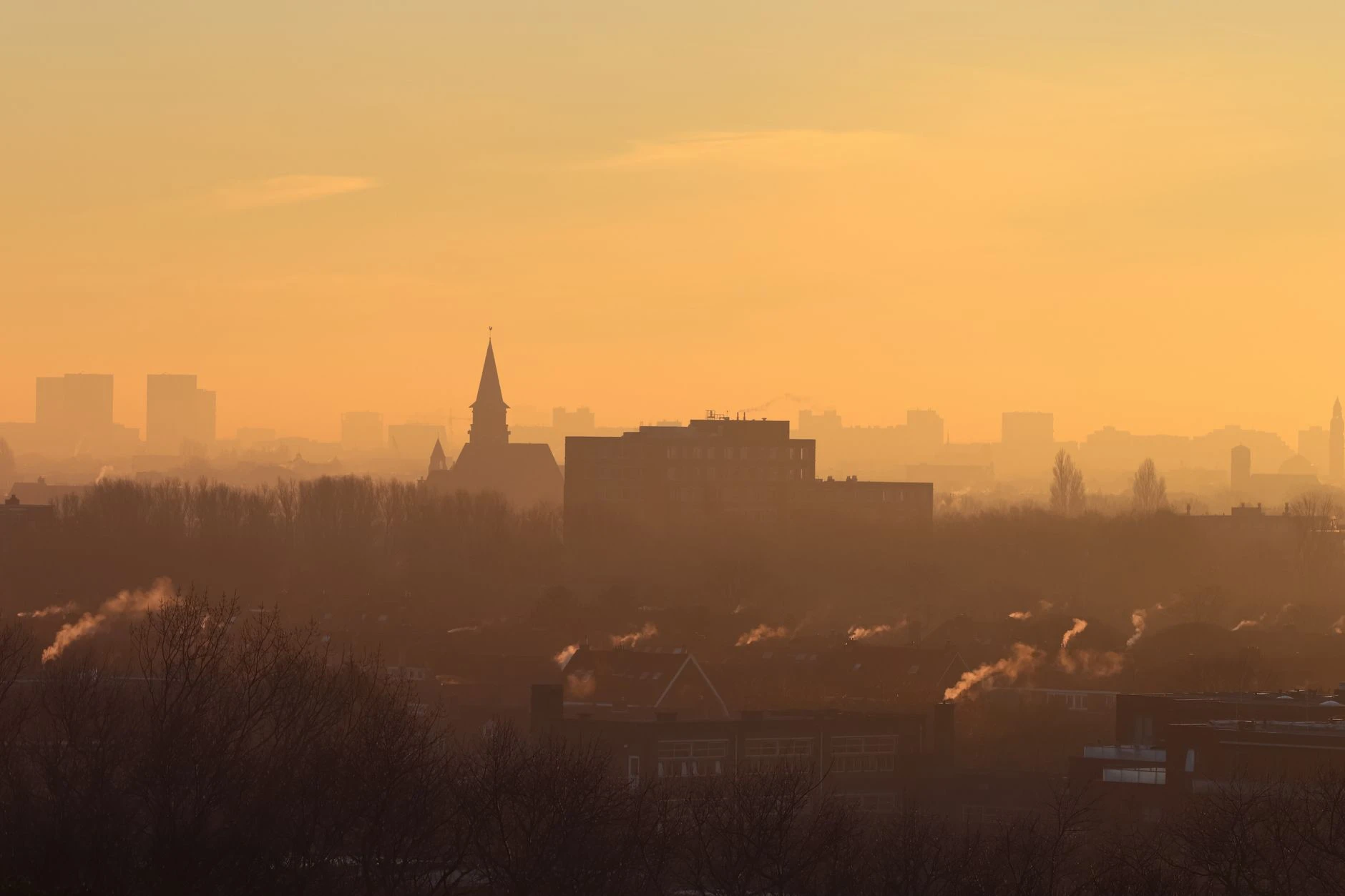
The threat was not confined to Toronto and New York. Smoke from Canadian fires was expected to affect parts of the Northeast and Midwest through the end of the week, widening the impact of Ontario’s fire season well beyond provincial borders. That makes air-quality readings, especially the AQI used by Toronto and New York officials, a critical measure for deciding when schools, older adults, people with asthma and outdoor workers need to cut exposure. As wildfire seasons intensify and overlap more often with extreme heat, the smoke has become part of the summer risk landscape across North America.
Sources
- [1]nytimes.com
- [2]msn.com
- [3]canada.ca
- [4]nyc.gov
- [5]theweathernetwork.com
- [6]toronto.citynews.ca
- [7]ontario.ca