Science
Total solar eclipse will cross Spain, Iceland and Greenland in 2026
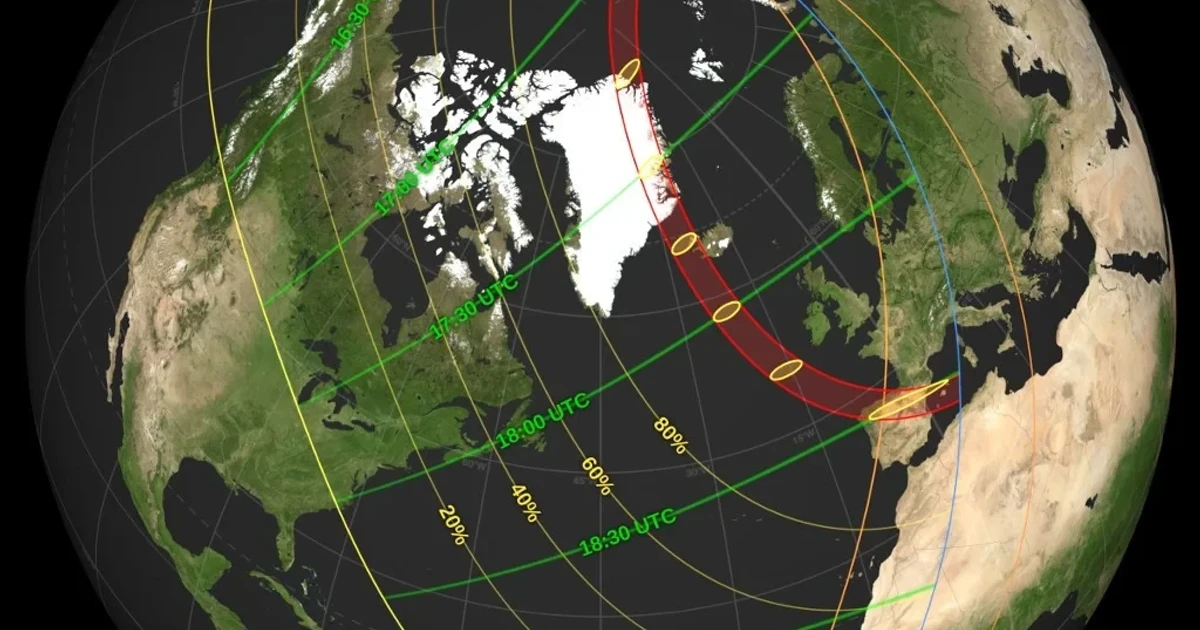
Spain, Iceland and Greenland are set for a brief stretch of total darkness that will pull scientists, tourists and public-safety planners into the same narrow corridor. The total solar eclipse on Wednesday, August 12, 2026, will last a maximum of 2 minutes and 18 seconds, and the path is narrow enough that a small shift in location will decide whether viewers get totality or only a partial eclipse.
Where the shadow lands
NASA’s path of totality crosses northern Spain, the west coast of Iceland, eastern Greenland, a remote region of Siberian Russia and a tiny section of Portugal. The umbral track is the exact geographic limit for totality, and anyone outside it will see only the partial phases. NASA’s global map of the shadow path was released on Friday, May 22, 2026, through the agency’s Scientific Visualization Studio at Goddard.
Why Europe is treating this as a major event
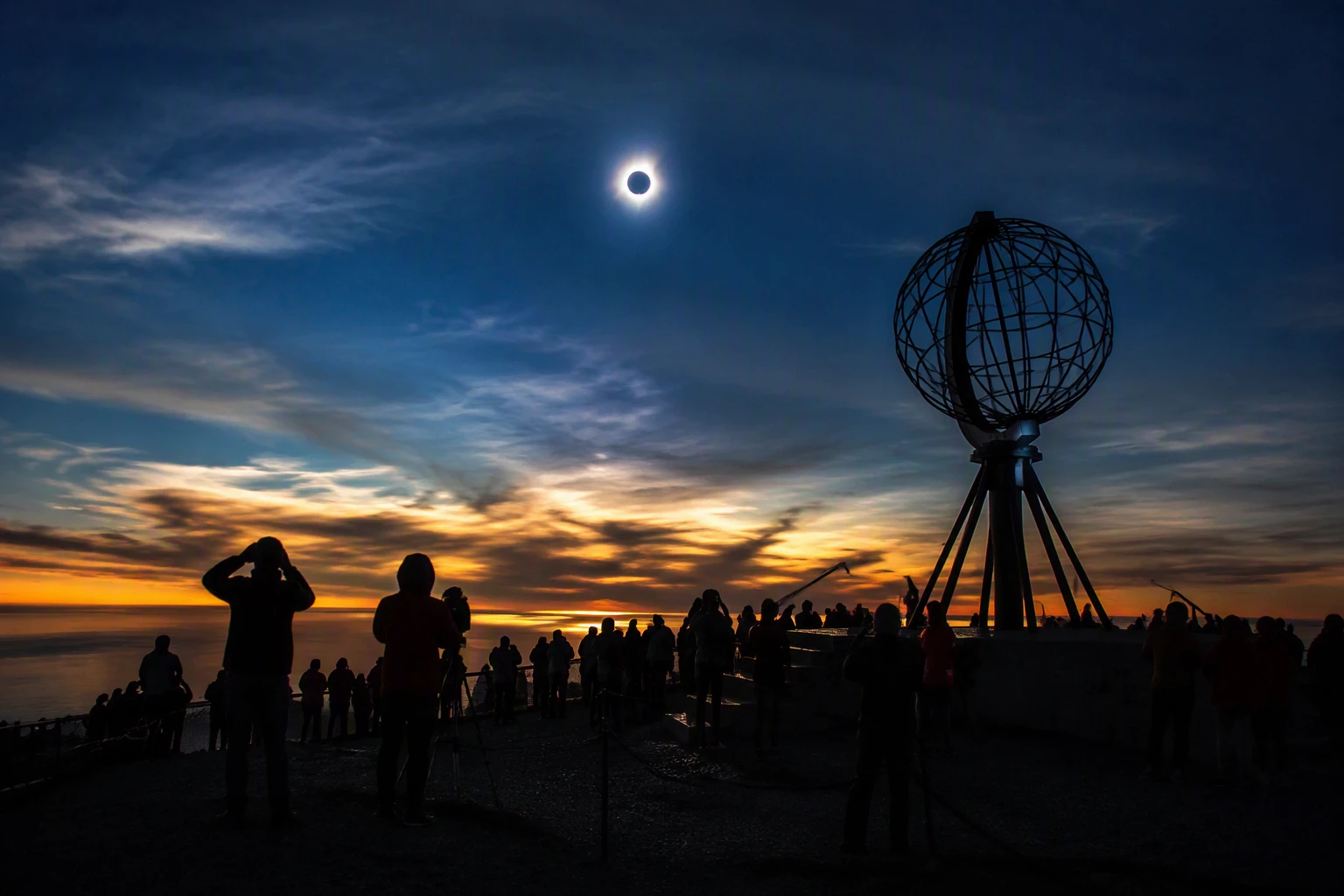
This will be the first total solar eclipse visible from mainland Europe since 1999. ESA said up to 350 million people in Europe and Asia witnessed the last total solar eclipse of the 20th century in 1999.
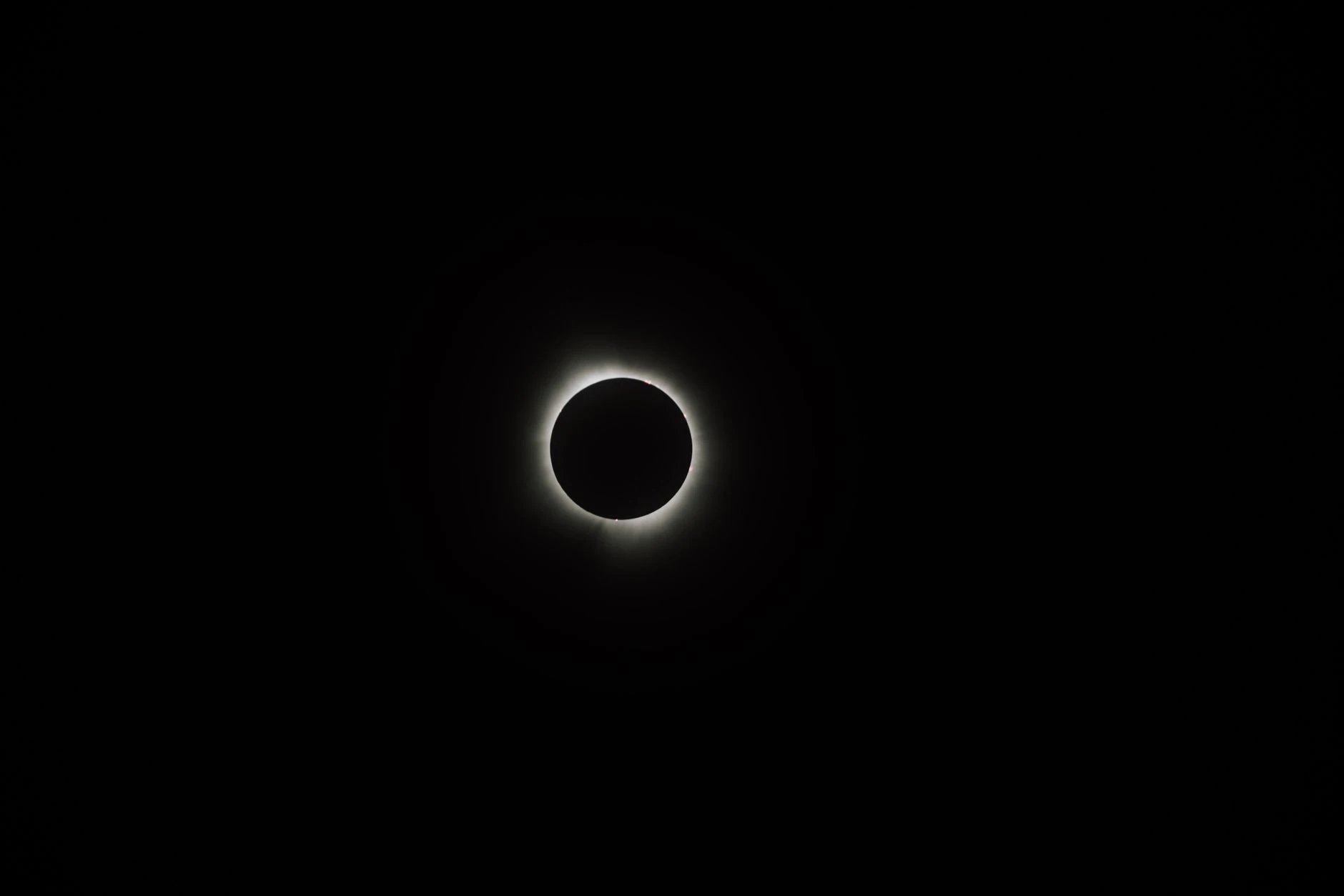
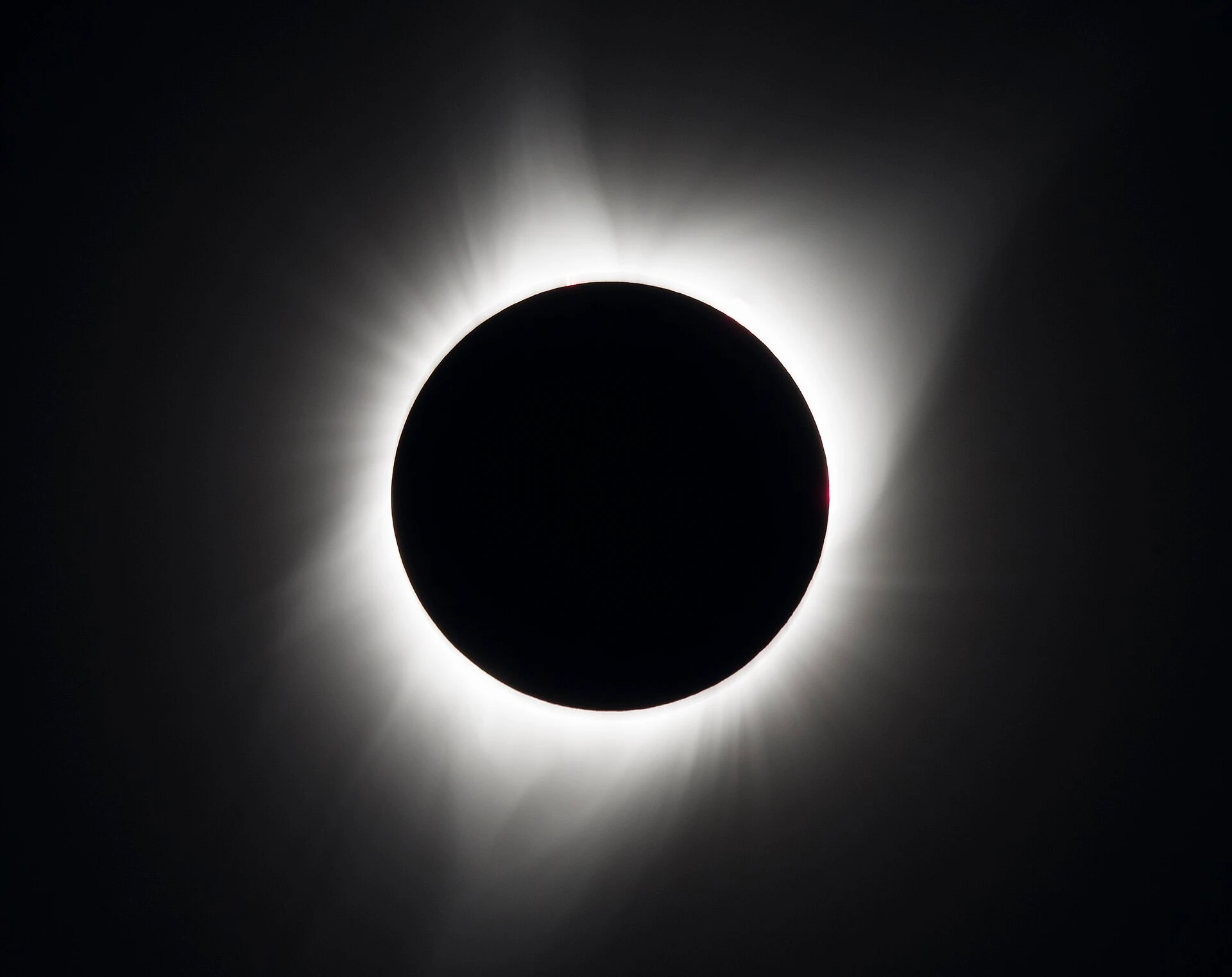
The eclipse’s appeal comes from the physics of totality itself. During totality, the moon completely covers the sun from the perspective of people in the path, daylight turns to twilight, and the solar corona becomes visible. Outside the path, the experience is different and much less dramatic, which is why travel is concentrating on the specific zones that NASA has mapped.
ESA has already turned the eclipse into a public campaign
ESA moved early. On May 21, 2026, the agency announced it would follow the total solar eclipse in person and online, signaling a mix of field coverage and remote public outreach. By July 10, ESA had published a video, “8 things to know about the 2026 total solar eclipse,” which focused on the path of totality, Baily’s beads and why the eclipse would be especially beautiful at sunset.
ESA widened that effort again with a July 29 item titled “Virtual totality ahead of the solar eclipse,” adding an online viewing layer for people who will not be in the path. A July 23 feature on León, Spain, singled out the city as a viewing location, making northern and central Spain part of the practical conversation about where visitors may gather.
What the 2024 North America eclipse taught planners
The benchmark for 2026 is the total solar eclipse that crossed North America in 2024. The path of totality ran through 15 U.S. states, from Texas to Maine, and the movement of residents and incoming tourists turned April 8 into a large-scale special event, the National Operations Center of Excellence said. The center’s eclipse resource pages were accessed more than 50,000 times.
The Federal Highway Administration classifies an eclipse as a rare planned special event that can generate large volumes of traffic. A transportation study of the 2024 eclipse found the highest increases in congested miles in Ohio, Indiana and Arkansas, while Texas saw congested mile-hours fall by 36%.
In New Hampshire, officials warned visitors not to get stuck in mud as hotels booked up and as many as 20,000 visitors were expected to gather for totality. Lodging in the Great North Woods sold out before the event, the New Hampshire Division of Travel and Tourism Development said.
Economic upside arrives with the crowds
The 2024 eclipse also showed why businesses rush to the path. Across North America, hotels, restaurants, gas stations and local attractions benefited from travelers who planned to spend money for a few minutes of darkness. Forecasts for 2024 projected major short-term gains in eclipse towns, and rates climbed as totality approached.
That pattern is likely to matter again in 2026, especially in places with limited hotel capacity and strong scenic appeal. León, coastal Iceland and parts of eastern Greenland are not interchangeable destinations, and that variety can turn the eclipse into a multi-market tourism event rather than a single concentrated rush. Local organizers have to manage road access, lodging, viewing sites and emergency response without letting demand outrun infrastructure.
Safety and science remain the nonnegotiables
The public excitement does not change the basic viewing rule: never look directly at the sun without protection during the partial phases. Certified eclipse glasses or indirect viewing methods are essential, and the narrow path of totality makes it even more important to know exactly where full darkness begins and ends.
For researchers, the eclipse remains valuable because totality creates a rare natural laboratory. The sudden darkness lets scientists study the corona and observe how light shifts affect the atmosphere, animals and local conditions. NASA, ESA and the Exploratorium are treating the event as a major public moment.
Sources
- [1]apnews.com
- [2]science.nasa.gov
- [3]eclipse.gsfc.nasa.gov
- [4]svs.gsfc.nasa.gov
- [5]esa.int
- [6]youtube.com
- [7]exploratorium.edu
- [8]nationaleclipse.com