Lifestyle
Tourist Crowds Strain Popular Vacation Destinations
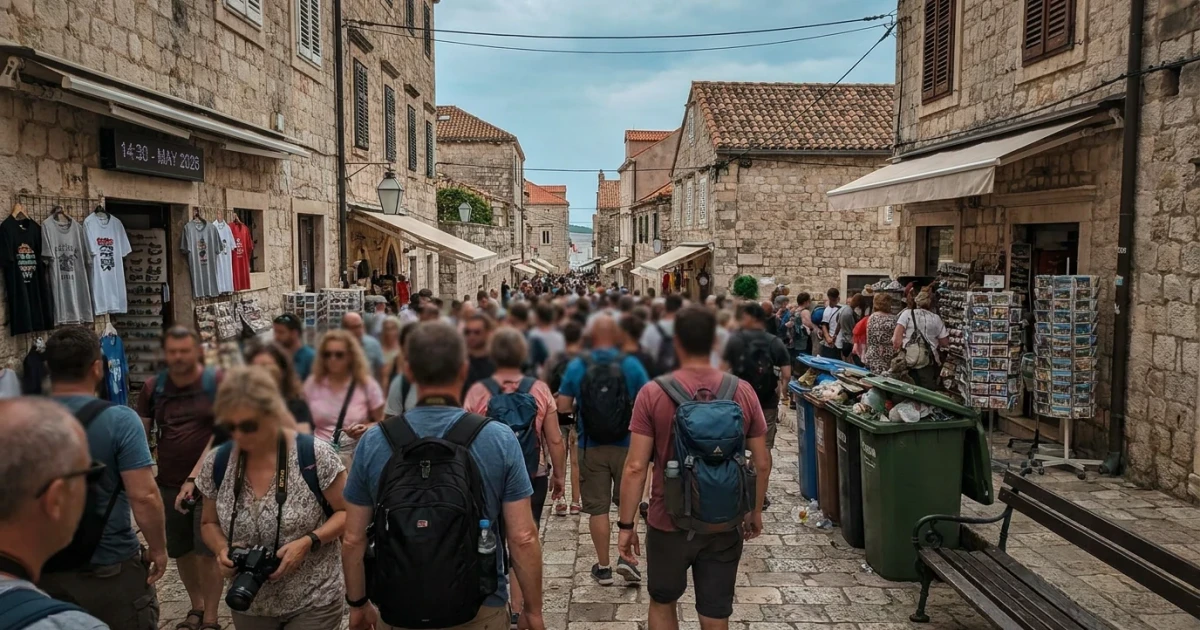
As international travel rebounds, popular vacation destinations across Europe and beyond are experiencing an overwhelming influx of tourists, turning picturesque streets and tranquil beaches into bustling crowds. This trend, widely reported by Fox News and corroborated by tourism data, is raising alarms among local residents, businesses, and officials about the sustainability of current tourism models.
Surge in Tourist Arrivals
Many of the world’s most sought-after vacation spots—including coastal towns, historic cities, and island getaways—are seeing record numbers of visitors. According to UNWTO Tourism Statistics, global tourist arrivals have climbed sharply, with Europe hosting more than 700 million international visitors in the latest reporting period. In Italy alone, ISTAT data shows that arrivals and overnight stays in cities like Venice, Rome, and Florence have reached unprecedented levels, putting immense pressure on local infrastructure.
Transformation of Local Environments
The influx has dramatically altered the character of once-idyllic locales. Fox News highlighted how picturesque vacation spots are becoming “overcrowded nightmares,” with tourists flooding streets, beaches, and local attractions. Residents report challenges such as:
- Traffic congestion and longer commute times
- Noise pollution impacting quality of life
- Strain on public services like sanitation and water supply
- Rising housing costs due to short-term rentals
Data from Eurostat reveals spikes in hotel occupancy rates and nights spent in major European cities, further emphasizing the density issue.
Economic and Social Impacts
While tourism remains a vital economic driver—supporting jobs and generating revenue—there are growing concerns about its social and environmental consequences. The European Environment Agency notes that overtourism can erode cultural heritage, disrupt daily life, and contribute to environmental degradation, especially in fragile ecosystems.
Some cities and regions have begun to implement measures to address overcrowding, including visitor caps, reservation systems for major attractions, and restrictions on short-term rentals. The OECD has published policy recommendations urging local governments to balance economic benefits with sustainability and resident well-being.
Population Pressures
In urban areas, the ratio of tourists to residents is becoming increasingly skewed. According to CityPopulation.de, cities like Barcelona and Venice now host several times more tourists than residents during peak seasons. This demographic shift can lead to a sense of displacement among locals and challenges in maintaining community cohesion.
Looking Ahead: Rethinking Tourism Models
As destinations grapple with the realities of overtourism, there is growing momentum to rethink how travel and hospitality industries operate. Policy experts and environmental groups advocate for:
- Promoting off-season travel to distribute visitor numbers
- Encouraging sustainable tourism practices
- Investing in infrastructure to support both residents and visitors
- Preserving local culture and environment through targeted regulations
The challenge remains: how to welcome travelers while protecting the unique character and livability of beloved destinations. With tourist arrivals projected to continue rising, the conversation around balancing economic growth and sustainability is more urgent than ever.
For travelers and policymakers alike, understanding the real impacts of tourism is crucial. Comprehensive datasets, such as those provided by Statista, offer valuable insights into numbers, trends, and potential solutions for overcrowding.
Ultimately, the transformation of vacation hotspots into crowded urban environments is a complex issue that demands nuanced responses—ensuring that tourism remains a force for good without compromising the quality of life for local communities.