Lifestyle
Tourists escape Bosnia heat in cool Vjetrenica Cave
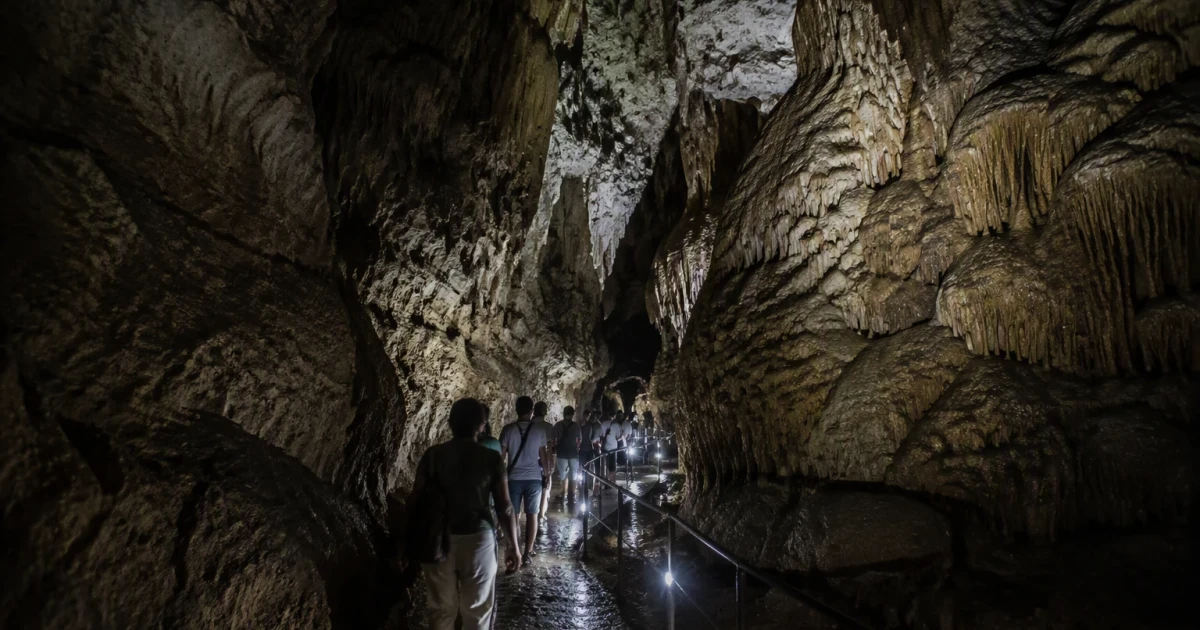
Tourists in southern Bosnia were heading underground to Vjetrenica Cave in Ravno as temperatures outside climbed to 40C, or 104F. Inside the UNESCO World Heritage site, the air stays near 11C, or 52F, all year, turning one of Bosnia and Herzegovina’s biggest natural attractions into a heat-wave refuge.
Vjetrenica is the country’s largest cave system, stretching about 7 kilometers, and its long main corridor keeps a far steadier climate than the sun-baked landscape above. The cave has earned the nickname “wind cave” because strong air currents move through it, and reposted text from the site noted that those currents can even produce sounds similar to bagpipes. A Reuters social post said the main corridor’s air temperature remains between 11C and 15C, reinforcing why visitors were seeking it out as the region sweltered.
The cave’s appeal now goes beyond scenery. Tourism listings describe the path as solid and easy to walk on, while also advising visitors to bring a warm jumper or coat because the temperature drops so sharply underground. That combination, an accessible route and natural cooling, makes the site a practical stop as extreme heat reshapes summer travel across southeastern Europe. Instead of focusing only on beaches, city centers or open-air heritage sites, travelers are increasingly drawn to shaded, subterranean places that offer relief as well as interest.
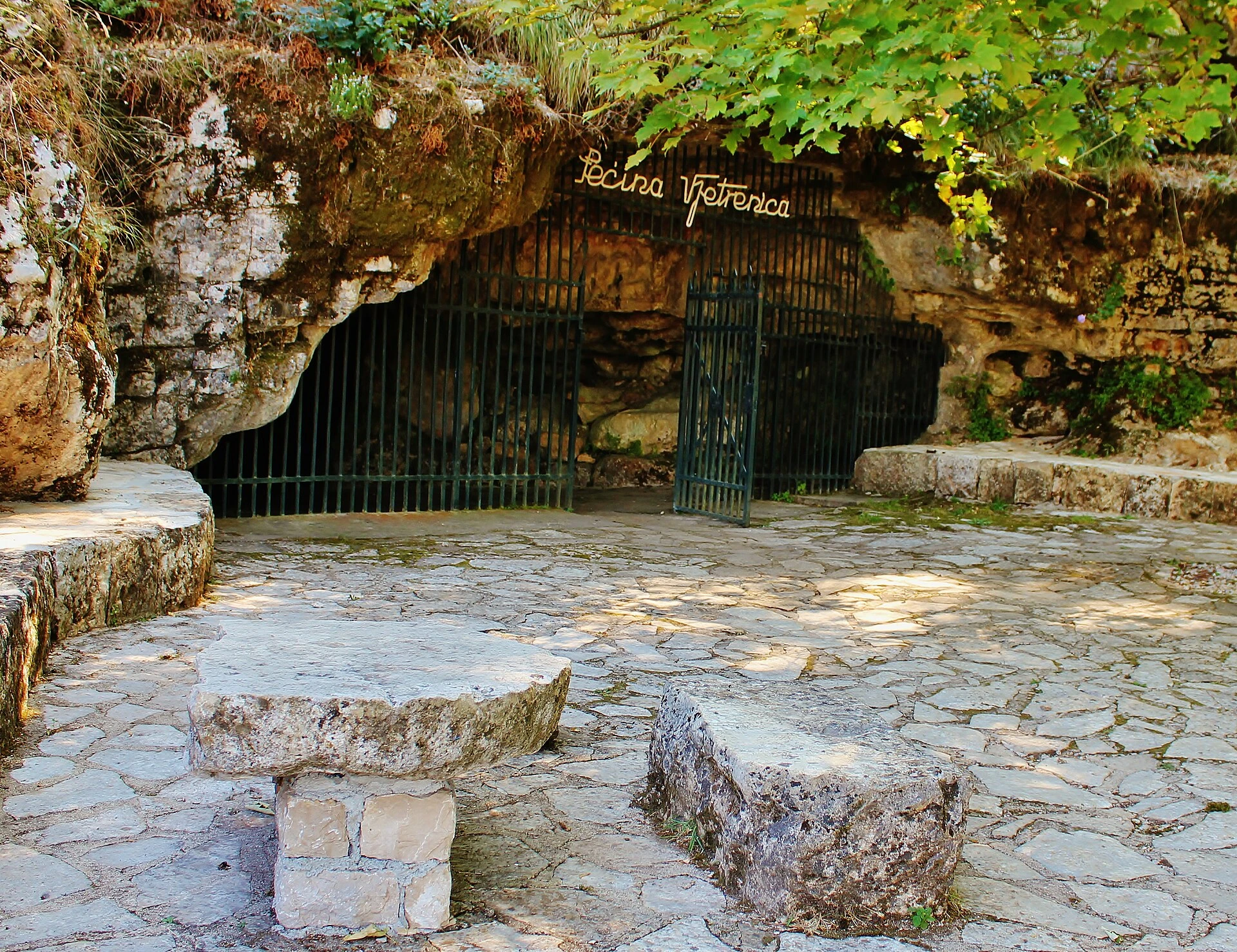
The heritage value of Vjetrenica adds to that pull. UNESCO lists the site under World Heritage site ID 1673, and a May 2024 evaluation document said the nomination had the potential to meet natural criterion (x), the biodiversity standard. Bosnia and Herzegovina’s Ministry of Civil Affairs also announced that Vjetrenica had been inscribed on the UNESCO World Heritage List, cementing its status as more than a seasonal curiosity.
For Bosnia’s tourism economy, that matters in a summer defined by heat stress. A cave that once drew visitors mainly for its geology and history now has an additional advantage: it functions as a natural shelter when outside conditions become punishing. As Europe contends with hotter, longer heat waves, destinations with built-in cooling may find themselves better placed than those that depend entirely on open-air sightseeing.
Sources
- [1]reuters.com
- [2]whc.unesco.org
- [3]mcp.gov.ba
- [4]vjetrenica.ba
- [5]facebook.com
- [6]tripadvisor.com