World
Tourists flee Guatemala volcano eruption as lava and ash erupt skyward
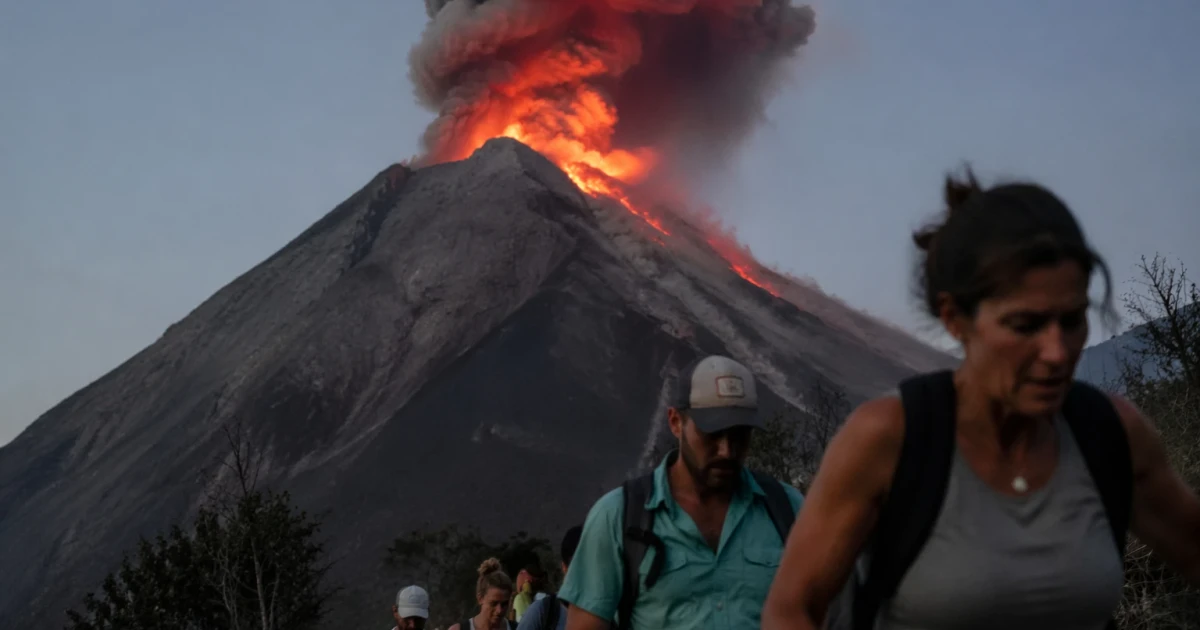
Tourists fled for safety as Volcán de Fuego erupted near Antigua, Guatemala, sending red-hot lava into the air and a towering plume of ash skyward. The video, posted by ABC News and Good Morning America on June 23, showed glowing lava bursting from the crater and volcanic rocks flying through the air as visitors ran from the danger zone.
The footage was filmed on Wednesday, June 17, 2026, and shared by @Kaleyekiyor before it was distributed by Newsflare. It captured a familiar risk at one of Central America’s most active volcanoes: the line between a popular sightseeing stop and a fast-moving emergency can disappear in seconds when the mountain turns violent.
Volcán de Fuego has long been known for explosive eruptions, ash columns and lava emissions. That makes the area around Antigua one of the region’s most dramatic tourist drawcards, but also one of its most exposed. The June 17 eruption showed how quickly visitors can be forced to react when warning systems and evacuation decisions have only a narrow window to work with.
The scene also fits a broader debate over how close tourists should be allowed to get to active volcanoes. In Sicily, authorities around Mount Etna have recently restricted excursions after eruptions, including suspensions and limits on trips to see lava flows. Italy’s National Institute of Geophysics and Volcanology has tracked those eruptions closely, while guides have argued over how far access should be cut back.
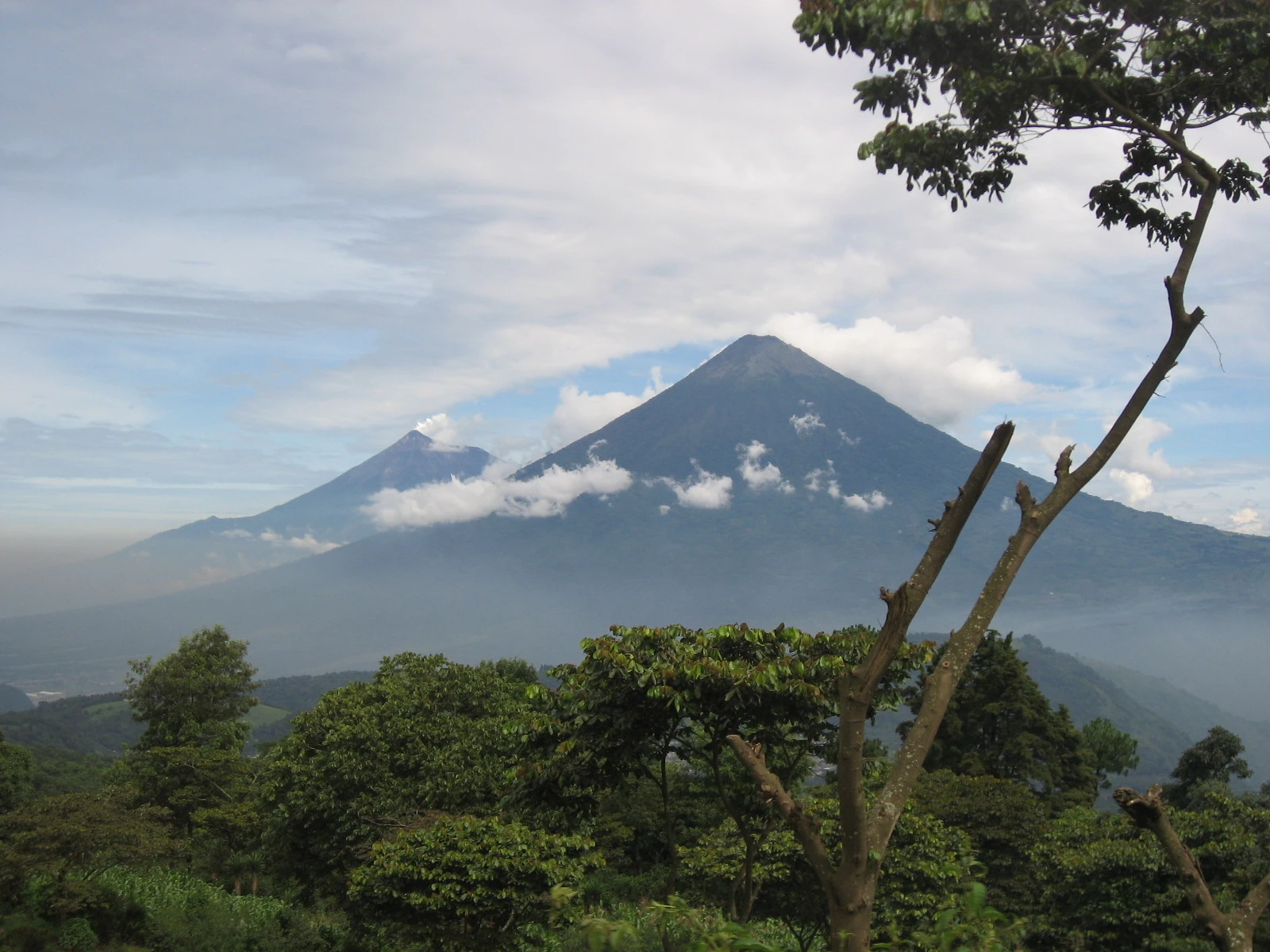
Mount Etna adds scale to the comparison. The volcano is Europe’s most active and its largest, rising about 3,350 meters and stretching roughly 35 kilometers wide. Like Volcán de Fuego, it draws sightseers because of its spectacle, but the safety trade-off is stark: volcanic bursts can send high-temperature gases, ash and rock several kilometers into the air, turning a tourist viewpoint into an evacuation scene with little warning.
For Guatemala, the eruption is a reminder that volcanic tourism depends on discipline as much as dramatic scenery. Visitors who rely on social media clips and luck can end up in the path of ash and falling rock, while local authorities are left to balance access, evacuation and public safety around a volcano that can erupt without much notice.
Sources
- [1]abcnews.com
- [2]goodmorningamerica.com
- [3]newsflare.com
- [4]usnews.com