Lifestyle
Tourists Flock to Cooler Destinations Amid Rising Temperatures
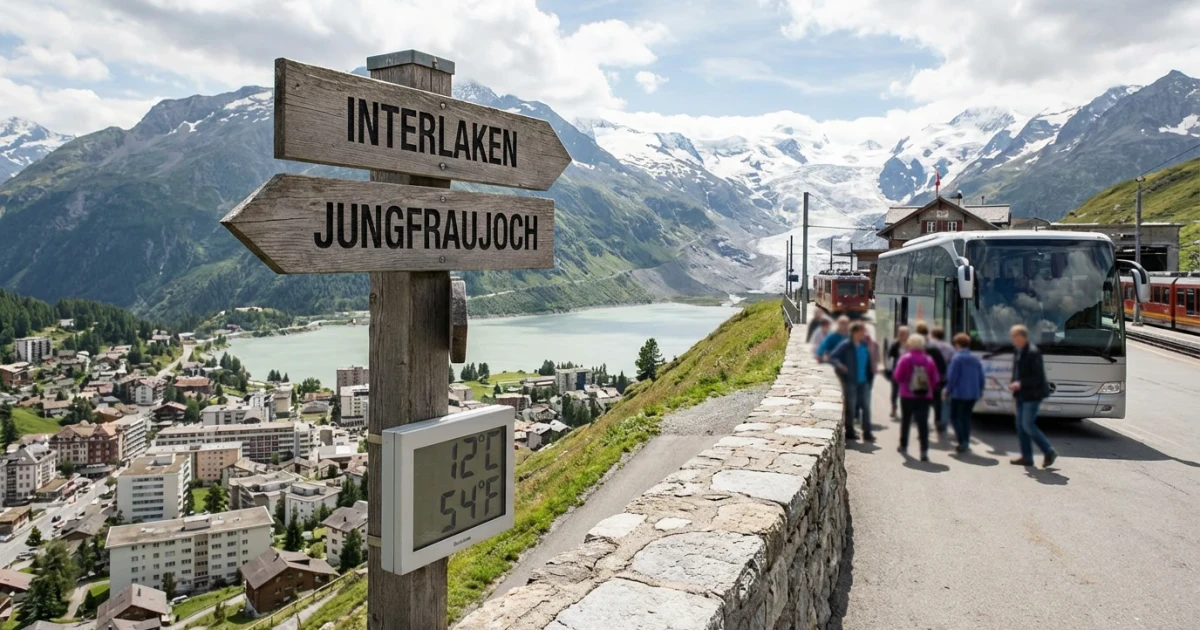
Rising global temperatures are reshaping international tourism, pushing travelers to seek out cooler destinations and altering vacation patterns across continents. This emerging trend is having a profound impact on the global travel industry, with destinations in the northern latitudes and regions with milder climates experiencing a surge in visitors.
Climate Change Alters Where Tourists Go
As reported by Travel And Tour World, an increasing number of tourists are opting for cooler destinations in response to persistent heatwaves and record-breaking temperatures. This shift is corroborated by data from the UNWTO Tourism Statistics, which show a notable uptick in arrivals to northern European countries, Canada, and other traditionally cooler regions over the past several years.
- Finland, Norway, and Sweden have all recorded double-digit percentage increases in overnight stays and arrivals, according to Nordic Statistics.
- Canada saw a significant rebound in tourist numbers, with Destination Canada reporting strong growth in both American and overseas visitors, particularly during the summer months.
- Tourism authorities in Scotland and Iceland have also reported higher demand during months that were previously considered 'shoulder seasons.'
Heatwaves Push Travelers North
The trend toward cooler destinations is closely linked to extreme weather events and rising average temperatures. According to the NOAA Global Climate Report, 2023 was the hottest year ever recorded, with numerous regions experiencing prolonged heatwaves and drought conditions. This environmental shift is changing not only where people go, but also when they travel.
- Peak season is shifting in many Mediterranean countries, with some travelers avoiding the hottest months entirely.
- Destinations once associated with winter sports are now marketing summer hiking, lake vacations, and nature tourism as cooler alternatives to beach resorts.
Economic and Cultural Impact
This shift has both positive and challenging implications for the global tourism industry. Countries and regions experiencing increased arrivals are investing in infrastructure and sustainability initiatives to accommodate new demand. For instance, Visit Finland has reported growing international interest in its national parks, cultural sites, and lakes, with tourism now contributing more significantly to the Finnish economy.
Meanwhile, destinations that traditionally relied on summer heat—such as parts of southern Europe and Southeast Asia—are seeing a decline in visitors during the peak months. According to Eurostat, several Mediterranean countries reported fewer nights spent at hotels in July and August, compared to previous years. This is prompting local governments to diversify their tourism offerings, promote off-season travel, and invest in climate adaptation strategies.
Changing Traveler Preferences
The new wave of 'cool climate tourism' is also influencing the types of activities and experiences travelers seek. According to research by Statista, there is growing interest in nature-based tourism, adventure travel in national parks, and visits to UNESCO World Heritage Sites located in temperate zones. Travelers are prioritizing destinations with access to lakes, forests, and mountains, as well as those that offer sustainable tourism options.
Looking Ahead
As climate change continues to accelerate, the tourism industry is likely to see further shifts in destination popularity, travel seasonality, and visitor expectations. Industry analysts expect continued growth in cooler regions and evolving strategies from traditional hotspots to adapt to the new reality. For travelers, the range of options is expanding, but flexibility and awareness of environmental conditions will become increasingly crucial when planning vacations.