Entertainment
Toy Story 5 leans into a toy meets tech story
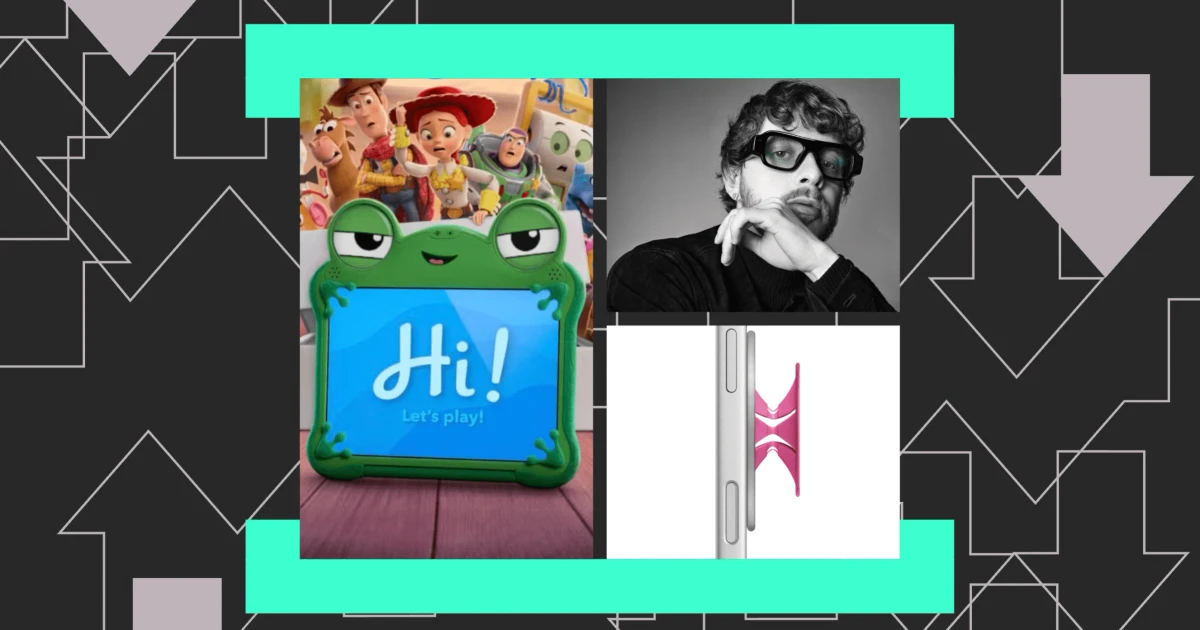
Toy Story 5 arrives as more than another sequel. Framed as a “Toy meets Tech” story, it lands in the middle of a broader cultural argument about what technology should do for people, especially children, and where it should stop. That tension gives the new film and The Verge’s Installer No. 133 a sharper edge than nostalgia alone ever could.
A newsletter issue that opens with life, not gadgetry
Installer No. 133 opens in the familiar voice of David Pierce, with a warm welcome that nods to Juneteenth and sets a conversational tone before the recommendations begin. From there, the issue moves quickly through the writer’s current obsessions: Sam Bankman-Fried, PE Guy, admin nights, Paul McCartney on Song Exploder, and a stubborn attempt to live with the iOS 27 beta and its new Siri. The newsletter also mentions trying to switch to YouTube Music and free-trial hopping through the World Cup, a mix that feels intentionally mundane and digital at once.
That blend matters because Installer has always been about how technology fits into daily life, not how it erases it. The issue’s references are not a sales pitch for frictionless living. They are a portrait of modern attention, where entertainment, software, sports, and habit all crowd into the same week.
Why Toy Story 5 fits this moment
The Toy Story reference in the issue is not just a wink to an enduring franchise. It lands as a statement about the kind of technology stories audiences still trust: ones that treat tools as powerful but bounded, and humans as emotionally central. Disney’s official Toy Story 5 framing calls the film “Toy meets Tech,” and that phrasing does a lot of work. It signals a story about devices, screens, and the changing relationship between kids and the objects competing for their attention.
That is part of why Toy Story still resonates. The franchise has never been simply about toys coming to life. It has always been about attachment, dependence, and the fear that something designed to serve us can begin to shape us instead. In a media moment filled with AI promises about seamless substitutes for human connection, that distinction feels especially important.
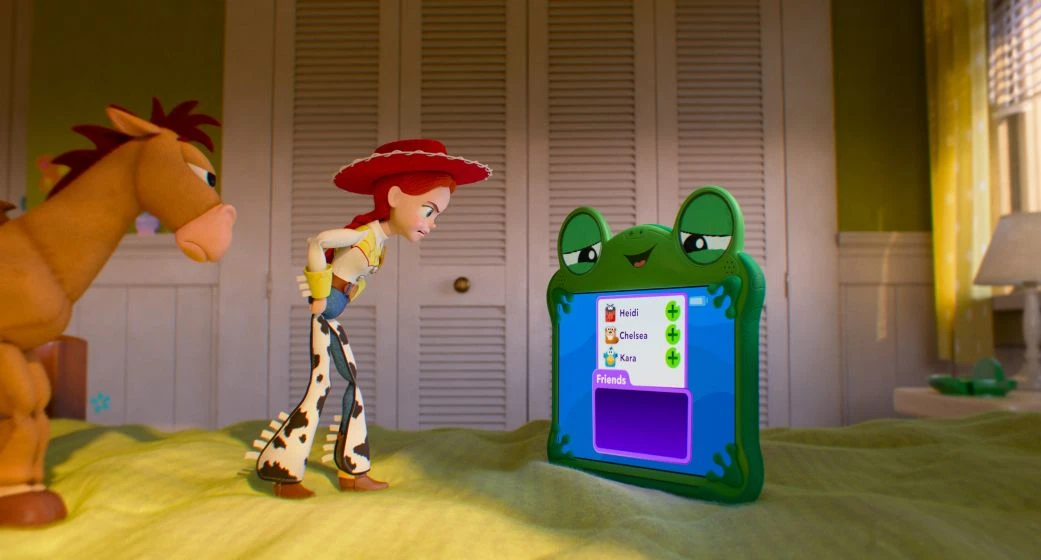
Pixar’s long-running argument: technology should serve the story
Pixar has been making this case for years in its own language. The studio says its technology teams are “at the forefront of innovation and creativity,” a phrase that places engineering in service of storytelling rather than above it. Its RenderMan team puts the idea even more plainly: “The art challenges the technology, and the technology inspires the art.”
That philosophy helps explain why Toy Story 5 can still feel culturally alive. The movie is not being sold as a demonstration of hardware for its own sake. Instead, the tech angle is tied to a familiar Pixar principle: new tools matter when they expand emotional storytelling. That is a useful counterpoint to the current hype cycle, which often treats technology as valuable precisely when it removes friction, even if that friction is part of being human.
What the new story seems to be about
Coverage around Toy Story 5 has described the film as centering children’s relationship with screens and other devices, which makes the “Toy meets Tech” label more than a marketing line. It suggests a movie about competition for attention, emotional displacement, and the everyday pressure devices put on family life. That subject is not abstract. It touches the core of how children play, how parents negotiate screen time, and how households decide what gets to occupy emotional space.
Released theatrically on June 19, 2026, Toy Story 5 arrives at a moment when those questions are no longer limited to parenting columns or policy debates. They sit inside mainstream culture. A film about toys facing off with tech speaks directly to the anxiety many families already live with: that the tools meant to entertain, educate, or connect can also crowd out imagination, patience, and face-to-face presence.
Why audiences keep responding to stories with limits

The lasting appeal of Toy Story is not that it flatters technology. It is that it understands its limits. Toys can be loyal, funny, and deeply meaningful, but they are not substitutes for people. That idea still has power because it runs against a lot of contemporary tech marketing, which often implies that smarter systems can replace effort, boredom, waiting, and even some forms of loneliness.
Audiences respond to stories like this because they do not confuse convenience with care. A toy, a screen, or an AI assistant can support connection, but it cannot create the full texture of being known by another person. Toy Story 5 seems poised to return to that emotional truth, using technology as a pressure point rather than a fantasy of replacement.
What to watch for as the conversation grows
The most interesting part of the Toy Story 5 conversation may be how it reframes technology in human terms. Instead of asking whether a device is impressive, the story asks what it does to attention, affection, and play. That is a public-health question as much as a pop-culture one, because screen habits and digital dependence increasingly shape family routines, childhood development, and the emotional climate of homes.
Keep an eye on three threads as the film continues to circulate: • How the movie frames screens versus imagination • Whether the tech is depicted as a tool, a threat, or both • How Pixar continues to use innovation without surrendering the emotional center of the story
That balance is the real through line between Installer No. 133, Pixar’s stated philosophy, and Toy Story 5 itself. The message is not that technology is bad. It is that technology becomes meaningful only when it remains in service to human life, and not the other way around.
Sources
- [1]theverge.com
- [2]mingooland.com
- [3]pixar.com
- [4]renderman.pixar.com
- [5]movies.disney.com
- [6]toystory.disney.com
- [7]research.pixar.com
- [8]cbr.com