Entertainment
Toy Story 5 updates toy versus tech clash for tablet era
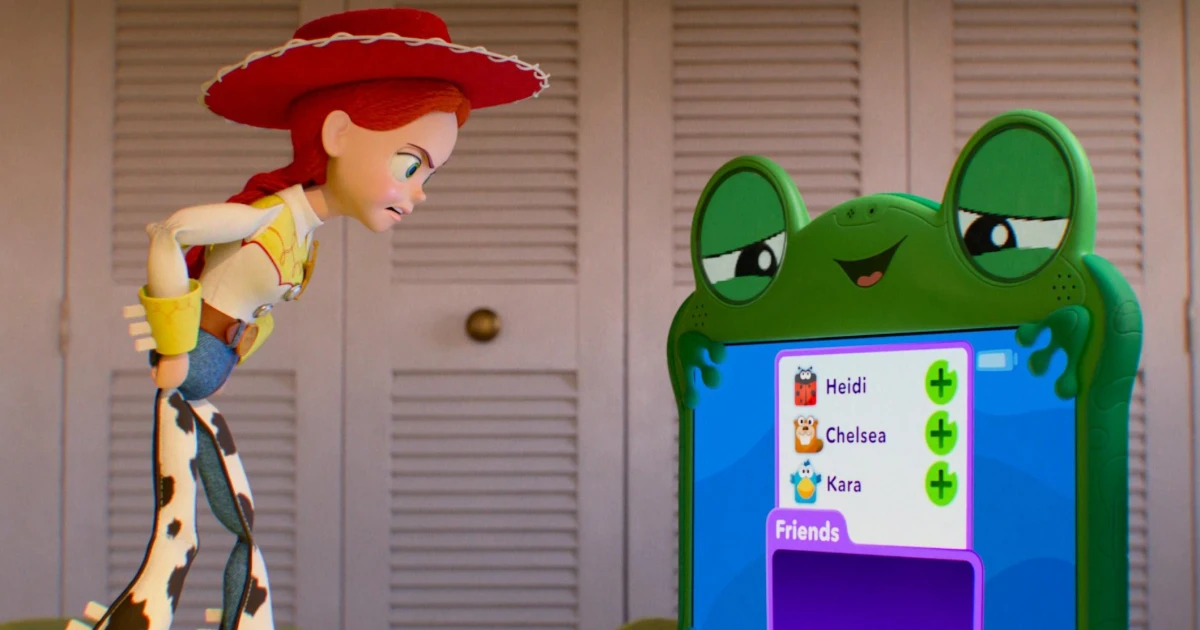
Toy Story 5 is turning Pixar’s oldest conflict into a very current one: the toys are no longer just up against a flashy new plaything, they are up against the devices already shaping family life. By introducing Lilypad, a tablet voiced by Greta Lee, Disney and Pixar are recasting the franchise as a story about screen dependence, attention, and the growing business of keeping children engaged.
A sequel built for the tablet era
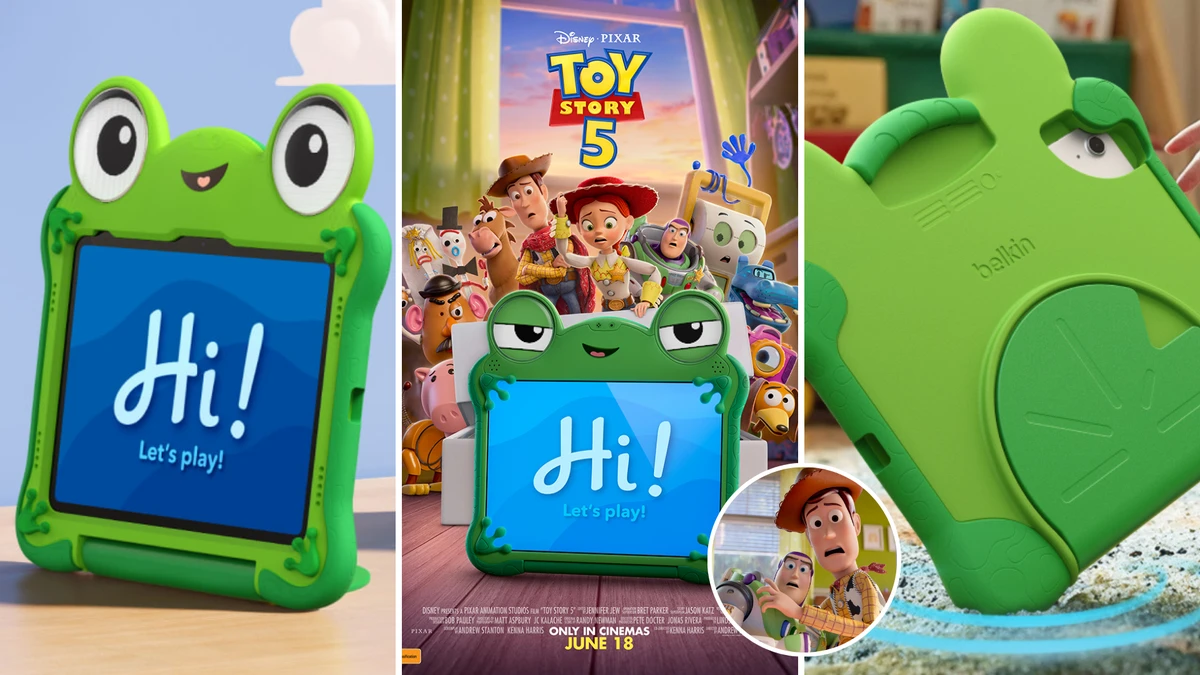
The new film is being framed by Disney and Pixar as “Toy meets Tech,” and that slogan is doing a lot of work. Buzz, Woody, Jessie, and the rest of the gang are challenged by electronics, with Lilypad positioned as a brand-new tablet device that brings “her own disruptive ideas about what is best for their kid, Bonnie.” That makes the premise feel less like a nostalgic callback and more like a cultural diagnosis: the competition for a child’s attention is no longer a single toy on the floor, but a screen that can entertain, distract, and direct.
That shift is what gives the movie its wider significance. The original Toy Story was about a vintage doll, Woody, feeling threatened by the arrival of Buzz Lightyear, an electronic action figure that represented a more modern kind of toy. In Toy Story 5, the threat is not another toy at all, but the device category that now sits at the center of modern childhood.
Why the franchise keeps finding the cultural moment
The first Toy Story arrived in the United States on November 22, 1995, after production began on January 19, 1993. It was the first fully computer-animated feature film, which made it a technical milestone as well as a box-office hit. Made on a reported $30 million budget, it earned about $375.5 million worldwide and helped establish Pixar as a major animation studio.
That history matters because the franchise has always tracked changes in how children play. In the mid-1990s, the novelty was an electronic action figure. Now the concern is a tablet, a device that does not just sit in the toy box but competes with every other form of entertainment a child can reach. The series has been able to return to this theme because the underlying question keeps changing with the market: what happens when a child’s imagination has to fight the newest thing in the room?
What the new film says about parents and screens
Toy Story 5 lands in a media environment where screen time is already a major parental anxiety. Common Sense Media’s 2025 Census reports that children ages 8 and younger averaged 2 hours and 27 minutes of daily screen media in 2024. The same census found the largest jump in gaming time among young children was on smartphones and tablets, which is exactly the territory the film is stepping into.
That makes Lilypad more than a character design choice. She is a symbol of the shift from passive play to device-centered attention, and of the way family life has become organized around screens that are portable, personalized, and always available. Disney’s own promotional language underscores the point, saying the toys’ jobs get harder when they go head to head with an all-new threat to playtime. In other words, the movie is not merely asking whether toys can compete with tech, but whether anything can compete with the instant pull of a tablet.
The people steering the update
The sequel is directed by Andrew Stanton, co-directed by Kenna Harris, and produced by Lindsey Collins. It is scheduled to open exclusively in theaters on June 19, 2026, which gives Disney and Pixar a summer launch window for a story built around one of the most urgent cultural conversations of the moment.
Greta Lee’s casting as Lilypad reinforces how directly the film is updating the franchise’s iconography. The premise depends on the contrast between the familiar toys and a new kind of household object, one that children do not merely play with but use to consume content, game, and occupy attention. Bonnie Anderson remains at the center of the story, which keeps the emotional stakes grounded in the same child-centered lens that has always powered the series.

Why this matters beyond animation
The larger story here is not only about Pixar’s ability to modernize an old franchise. It is about how children’s entertainment now mirrors the pressures parents already feel. Screens are no longer background noise in family life, they are the main rival to toys, books, outdoor play, and even boredom, which has long been part of how children create their own games.
That is why Toy Story 5 reads like a cultural thermometer. The original film turned a toy rivalry into a metaphor for change in the 1990s; the new one does the same for an era in which smartphones and tablets are embedded in daily routines. The franchise has found a new way to tell an old story, but the real update is sharper than nostalgia: childhood itself is now being negotiated against a glowing screen.